ADVOCATES of nuclear power said the Philippine vulnerability to disruptions of Middle East energy adds to the urgency of pursuing nuclear energy.
“For decades, we have relied on energy sources that leave us vulnerable to global shocks and volatile prices,” Pangasinan Rep. Mark Cojuangco said at a briefing on Thursday.
“If we are serious about securing a stable and affordable energy future, we must take a clear and deliberate path forward. Nuclear energy must not be just an option; it is a necessity,” he added.
“We cannot afford to wait for another crisis before making the right decision. If we want to build a stronger, more independent Philippines, we must invest in solutions that will stand the test of time. Nuclear energy is one of those solutions,” he said.
Mr. Cojuangco has filed House Bill (HB) No. 8567, which prescribes “incentives for the integration of nuclear energy into the country’s electricity sector.”
The bill outlines funding mechanisms and policy direction to hasten the development of nuclear power and to position the technology as “a cornerstone of a more secure, stable, and economically resilient energy system.”
“We are sitting on valuable infrastructure that can significantly lower electricity costs and reduce our dependence on imported fuels. The question is no longer whether nuclear energy is viable. It is whether we are willing to act,” Mr. Cojuangco said.
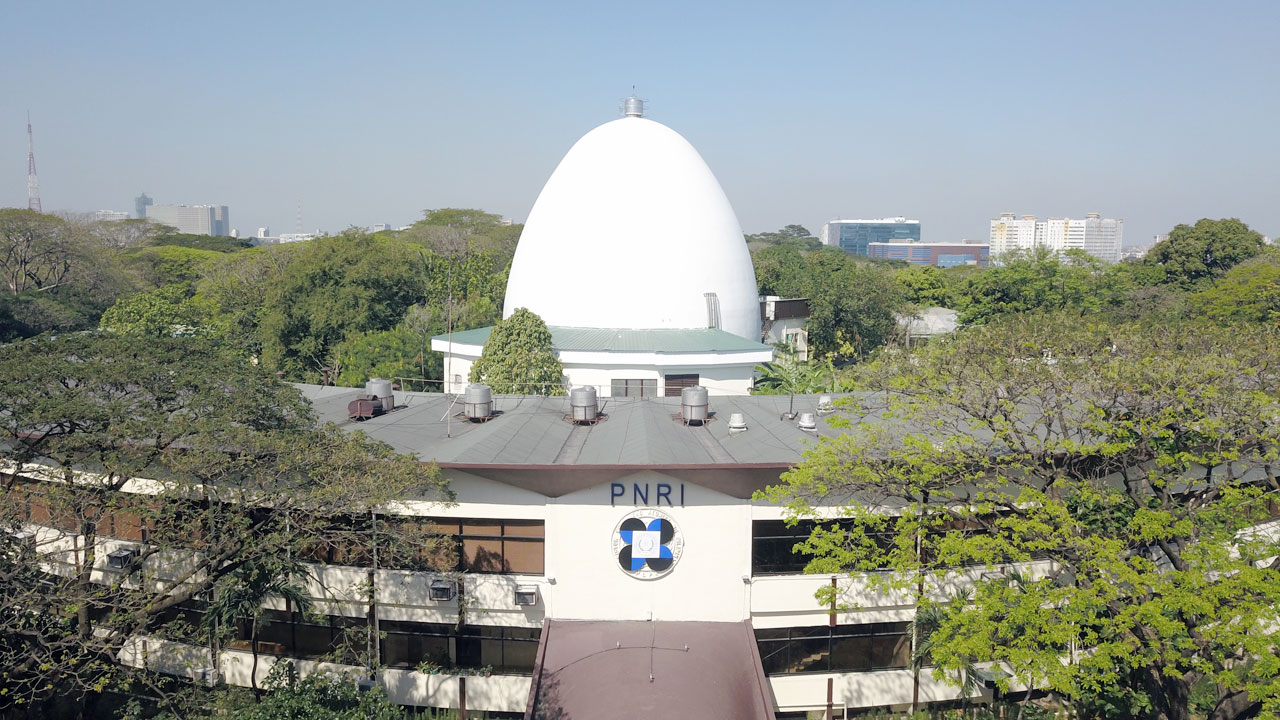
HB No. 8567 builds on efforts to establish a strong nuclear regulatory framework following the signing of the Philippine Atomic Energy Regulatory Authority Act last year.
Mr. Cojuangco said the country has untapped nuclear assets such as the mothballed Bataan Nuclear Power Plant (BNPP).
Mr. Cojuangco said these assets represent not just “sunk costs, but strategic opportunities to deliver affordable and reliable electricity.”
The BNPP, located in Morong, Bataan, was completed in 1985, but was never put into operation following the disruptions accompanying the 1986 uprising which threw out the Marcos government, the plant’s chief advocate, as well as fears generated by the Chernobyl nuclear meltdown.
Mr. Cojuangco said that nuclear energy provides baseload power without greenhouse gas emissions.
Gayle Certeza, lead convenor of nuclear advocacy group Alpas Pinas, said the crisis highlighted the urgency of advancing nuclear to address energy vulnerabilities.
“What we are seeing today is a clear reminder that our current energy system is not built for resilience,” she said. “Nuclear energy provides a clean, cheap, and reliable solution that supports both economic growth and environmental sustainability.”
The Philippine Energy Plan calls for the integration of nuclear energy into the national power mix with at least 1,200 megawatts (MW) of capacity by 2032, doubling it to 2,400 MW by 2045 and to 4,800 MW by 2050. — Sheldeen Joy Talavera