
Earlier this year, a digestive disorder that many Filipinos had rarely heard of suddenly captured national attention when it was widely reported by news organizations. The condition, called diverticulitis, is now a timely topic to revisit as the country observes Philippine Digestive Health Week.
The annual observance aims to raise public awareness about digestive health and educate Filipinos on preventing and managing digestive diseases, emphasizing that a healthy gut is essential to overall wellbeing.
Local studies and clinical data show that, among Filipino patients whose average age ranges from 57 to 62, diverticulitis is becoming an increasingly common incidental finding during a colonoscopy. A colonoscopy is an outpatient procedure in which a gastroenterologist uses a flexible, camera-equipped tube to examine the rectum and entire large intestine. It remains the gold standard for detecting and preventing colorectal cancer through the identification and removal of polyps.
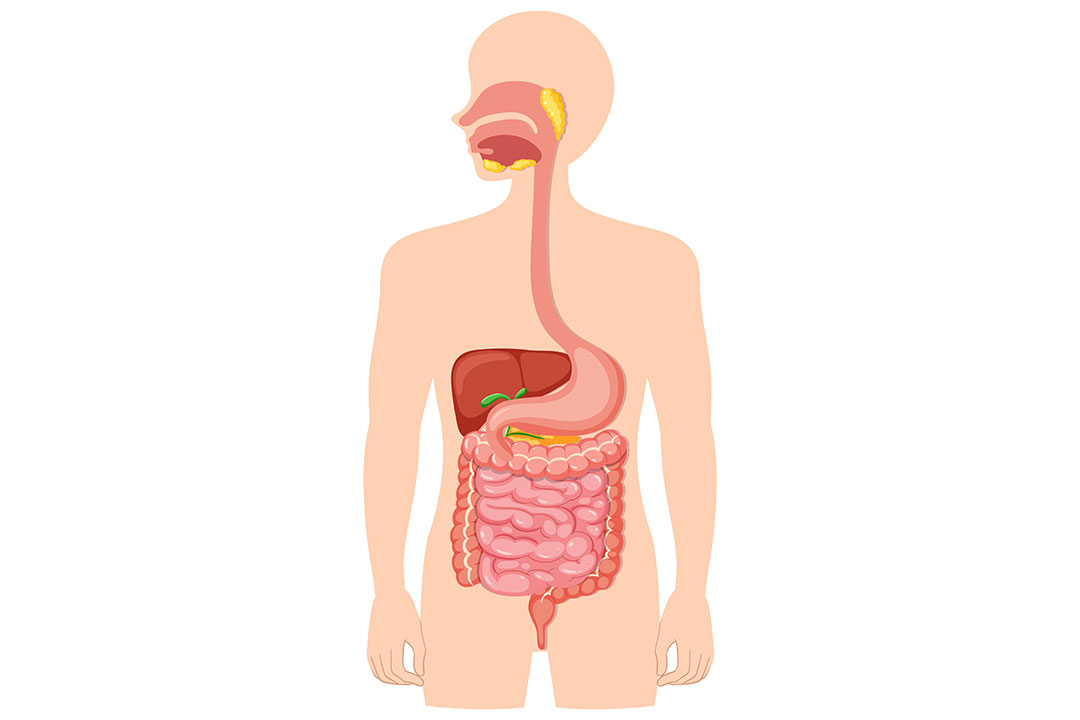
Diverticulitis is the inflammation of small bulging pouches, called diverticula, that form in the wall of the large intestine or colon. Normally, the colon wall is smooth. As people age, particularly after age 50, these small pouches may develop, most often in the lower part of the colon.
Weak spots in the colon wall can form diverticula when pressure builds up, possibly due to spasms or straining. The presence of these pouches is called diverticulosis, which usually causes no symptoms. Diverticulitis occurs when the pouches become inflamed or infected.
Common symptoms of diverticulitis include abdominal pain, nausea, fever, tenderness in the abdomen when touched, and changes in bowel movement, including sudden diarrhea or constipation. Mild cases are usually managed at home with rest, a liquid diet, and, in some cases, oral antibiotics. Severe cases require hospitalization for intravenous antibiotics and pain management, among other medical treatments.
Aside from advancing age, several factors increase the risk of diverticulitis. These include obesity, smoking, a low-fiber diet, diets high in red meat, heavy alcohol consumption, lack of physical activity, low vitamin D levels, and regular use of certain medications.
The majority of diverticulitis cases are uncomplicated, and most patients recover well with treatment. However, without proper management, diverticulitis can lead to serious, and sometimes life-threatening, complications such as peritonitis or intestinal obstruction. Up to 25% of patients may develop complicated diverticulitis, which can involve an abscess (a swollen, pus-filled pocket of tissue), perforation (a tear or rupture in the colon wall), or a fistula (an abnormal tunnel-like connection between the colon and another organ). These cases may need surgery.
As with many noncommunicable diseases (NCDs), maintaining a healthy lifestyle is one of the most effective ways to prevent diverticulitis. This includes exercising regularly (at least 150 minutes a week); eating a high-fiber diet consisting mostly of fruits, vegetables, whole grains, seeds, and beans while cutting back on red meats and sweets; maintaining a healthy weight; drinking plenty of fluids; and quitting smoking while limiting alcohol intake.
A diet rich in fiber lowers the risk of diverticulitis by promoting regular bowel movements and softening stool, which reduces pressure on the colon walls. Good sources of fiber include fruits, vegetables, legumes such as sitaw (yardlong beans) and monggo (mung beans), nuts such as peanuts and almonds, and whole grains such as oatmeal, brown rice, whole-wheat pasta, and even popcorn.
Adequate water intake is important for a high-fiber diet to work, as fiber absorbs significant fluids as it travels through the digestive tract. Proper hydration keeps stool soft and bulky, facilitating easier passage, preventing constipation, and alleviating symptoms like bloating. Without enough water, high fiber intake can actually lead to severe constipation, dehydration, and intestinal blockages.
Health experts recommend a daily fiber intake of 25 to 35 grams to support proper digestion and reduce the risk of conditions such as diverticulitis. Yet many Filipino adults fall far short of this target. A study by the Department of Science and Technology-Food and Nutrition Research Institute (DoST-FNRI) found that the average working Filipino consumes only 7.97 grams of fiber per day, less than half of the recommended daily intake.
The cross-sectional survey involved 1,264 working adults aged 19 to 59 from various job sectors. It also revealed that almost six in 10 respondents (59.10%) were physically inactive, with the highest percentage of inactivity seen in the administrative sector (65.81%). A majority of respondents were sedentary, except in the manufacturing sector where about half engaged in regular physical activity. Many respondents (42%) were on maintenance medications, while hypertension (21.50%) and diabetes (20%) were the most common NCDs in their families.
NCDs remain the leading cause of illness and death among Filipinos. Addressing their growing burden requires a comprehensive, multi-sectoral approach that prioritizes prevention, early detection, and stronger health systems.
To this end, the research-based pharmaceutical industry remains committed to contributing to this effort by championing innovation, evidence-based approaches, and inclusive partnerships that help Filipinos live healthier, longer lives.
Teodoro B. Padilla is the executive director of Pharmaceutical and Healthcare Association of the Philippines which represents the biopharmaceutical medicines and vaccines industry in the country. Its members are at the forefront of developing, investing and delivering innovative medicines, vaccines and diagnostics for Filipinos to live healthier and more productive lives.