THE flood control corruption scandal remains worrying, but it is too early to determine its long-term impact on the economy, Capital Economics said.
“The corruption scandal is clearly a concern,” Capital Economics Deputy Chief Emerging Markets Economist Jason Tuvey said at a webinar on Wednesday. “It’s weighing on activity and confidence in the near term.”
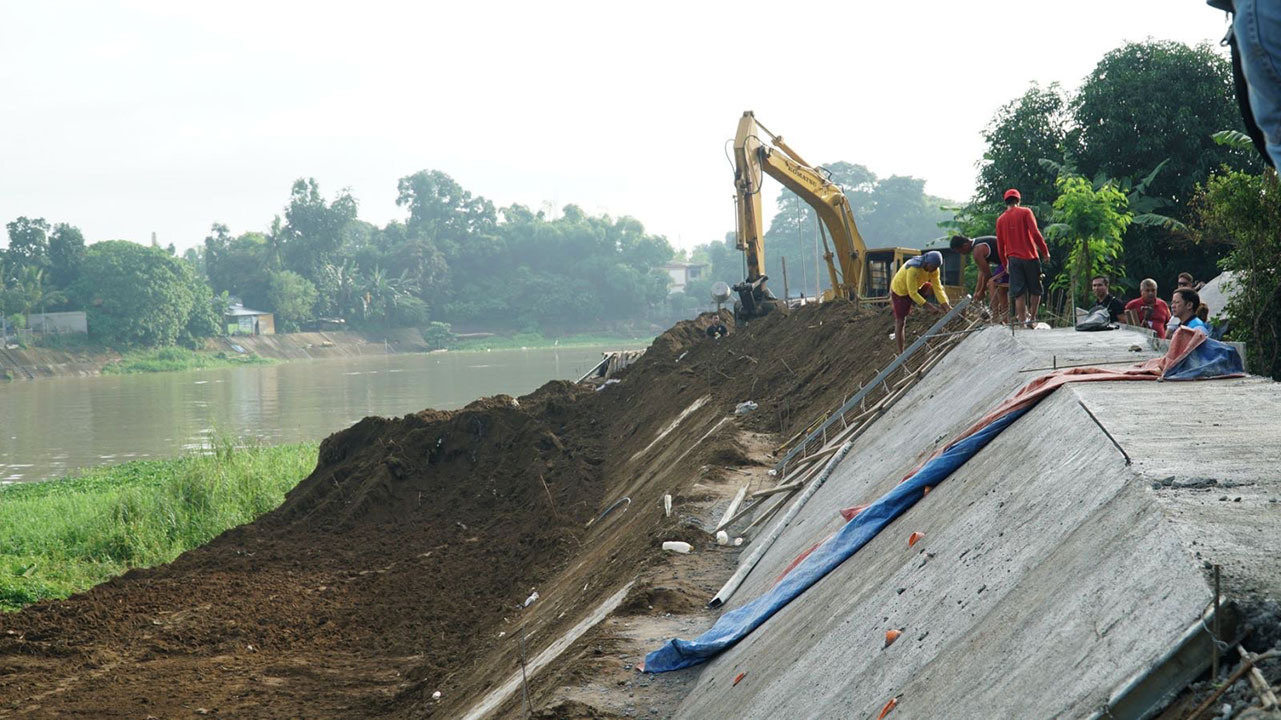
Last year, extensive flooding exposed multiple faulty, substandard or nonexistent flood control projects, leading to an investigation into suspected kickbacks that implicated legislators, public works officials, and a handful of well-connected construction companies.
The fallout over corrupt dealings in the infrastructure program caused the economy to slump in the second half of 2025. Growth slowed to 3.9% in the third quarter and further weakening to 3% in the fourth.
Full-year growth hit a post-pandemic low of 4.4%, as confidence evaporated, dampening investment and household consumption. The subsequent review of projects suspected of being tainted by corruption also froze government spending.
Mr. Tuvey said one way to view the scandal is that “these things have come to light and now steps are actually being taken to clamp down on corruption.”
“The other less optimistic take is these developments showed that there has actually been some backsliding on corruption in recent years, which… actually, corruption in the Philippines had improved over the past decade and a half since President Aquino came to office,” he added.
“In that regard… (it) depends whether you want to take the glass half-full or half-empty.”
“But I think … at this point (it is) a bit too early to determine whether there’ll be long-term consequences.”
In its Long-Run Economic Outlook 2026 report released earlier this month, Capital Economics had a positive long-term outlook for the Philippines, projecting it to become the 19th largest economy worldwide by 2050, in terms of nominal GDP.
For this year, it projects growth for the Philippine economy of 4.5%.
If realized, this would be below the government’s 5%-6% target, marking the fourth straight year of missed targets. — Katherine K. Chan