Palace awaits Congress transmittal of fuel tax bill
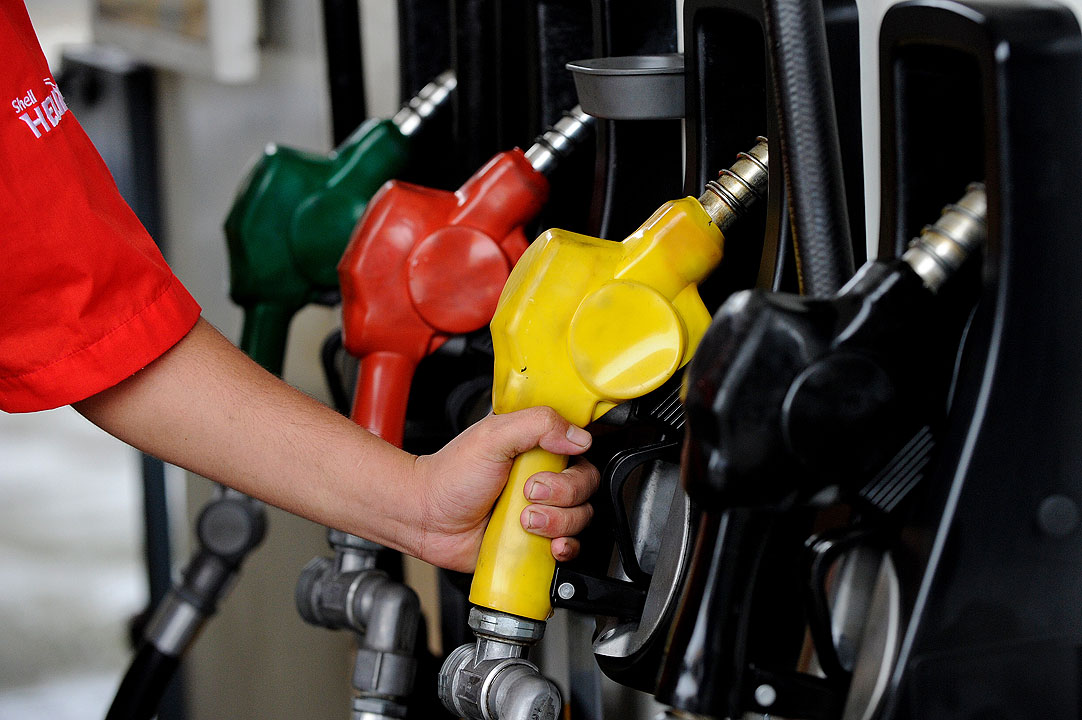
THE Philippine government is preparing to roll out fuel tax relief measures once President Ferdinand R. Marcos, Jr. receives and signs the emergency power bill approved by Congress, Malacañang said on Monday, signaling possible intervention to temper surging petroleum prices driven by the Middle East war.
Palace Press Officer Clarissa A. Castro said the bill granting the President authority to suspend or reduce excise taxes on fuel products had yet to reach his desk as of the weekend.
“The only reason that he could not do it is that the bill has not reached the President as of now, so there is no reason for him to sign,” she told a news briefing, adding that Mr. Marcos would act on the measure immediately once it is transmitted.
Senate President Vicente C. Sotto III told reporters via Viber he had received and was about to sign enrolled copies of the bill approved by the House of Representatives.
The House adopted Senate Bill No. 1982, effectively bypassing a bicameral conference committee.
The Philippines is heavily dependent on imported oil, leaving it vulnerable to external shocks such as the conflict in the Middle East, which has disrupted global energy markets and pushed oil prices higher.
Earlier this month, Mr. Marcos asked Congress to grant him emergency powers to suspend or reduce excise taxes on petroleum products as a way to cushion the impact of rising fuel prices on consumers. He certified the measure as urgent.
However, the President has said that “complicated calculations” must be undertaken before invoking the emergency powers, reflecting the need to balance fiscal concerns with consumer relief.
Despite the delay, Ms. Castro said the President supports the measure and sees no reason to withhold approval once it reaches Malacañang. She stressed, however, that signing the bill is separate from enforcing it.
Under the law, any suspension or reduction of excise taxes on fuel products may only be implemented once global oil prices reach at least $80 per barrel for 30 straight days. Ms. Castro said government agencies are prepared to issue the necessary orders swiftly once the conditions are met.
Dubai crude oil has recently traded between $130 and $153 per barrel, well above the threshold. Local diesel prices have climbed to as high as P114 per liter.
Ms. Castro also said excise taxes are imposed “upon entry” of imported oil, meaning the timing of any tax adjustment would depend on actual import arrivals.
“If we do not import oil, then the reduction or suspension of the excise tax cannot be exercised,” she said in Filipino.
Despite the sharp rise in prices, Malacañang maintained that the Philippines is not experiencing an oil crisis.
“At this time, we are not considering it an oil crisis because supply remains sufficient,” Ms. Castro said, echoing Energy Secretary Sharon S. Garin. She clarified that price disruptions stem from the conflict in the Middle East rather than domestic supply shortages.
The government is negotiating additional fuel shipments, including 440,000 barrels followed by another 600,000 barrels, to bolster inventories and prevent shortages.
Ms. Castro said Mr. Marcos’ earlier reference to an “oil crisis” pertained to the situation in the Middle East, not domestic conditions.
To manage prolonged fuel price pressures, the President has ordered the creation of a crisis management committee, although its composition had yet to be finalized.
Meanwhile, the government is preparing additional cash assistance for public utility drivers affected by rising fuel and food prices. Social Welfare Secretary Rexlon T. Gatchalian said aid would be distributed in tranches to maximize its impact.
The move follows complaints from transport groups that existing subsidies are insufficient. Mr. Marcos last week suspended a proposed fare increase for public utility vehicles, citing the need to protect commuters.
The government has begun distributing P5,000 cash aid to tricycle drivers in Metro Manila, with jeepney, taxi, bus and ride-hailing drivers to follow. The program is expected to reach provinces by April.
Labor groups have also renewed calls for wage increases as inflation squeezes household budgets, though Malacañang said proposals for legislated wage hikes remain under Congress’ authority.
The fuel price surge follows the Iran war that erupted on Feb. 28 after coordinated US and Israeli airstrikes on Iranian military targets, triggering retaliatory attacks and disrupting oil supply routes, including the Strait of Hormuz. — Chloe Mari A. Hufana and Kaela Patricia B. Gabriel