ASEAN foreign ministers call for immediate halt to hostilities in Middle East
By Adrian H. Halili, Reporter
FOREIGN MINISTERS of the Association of Southeast Asian Nations (ASEAN) member states called for the immediate cessation of hostilities in the Middle East, describing it as a “regrettable” escalation of conflict.
“This escalation is particularly regrettable as it occurred amid ongoing diplomatic efforts, including mediation initiatives led by the Sultanate of Oman aimed at advancing a negotiated solution,” the ministers said in a statement on Wednesday.
Over the weekend, the Unites States and Israel conducted a coordinated military attack on Iran resulting in the destruction of Tehran’s assets and the death of its Supreme Leader Ayatollah Ali Khamenei.
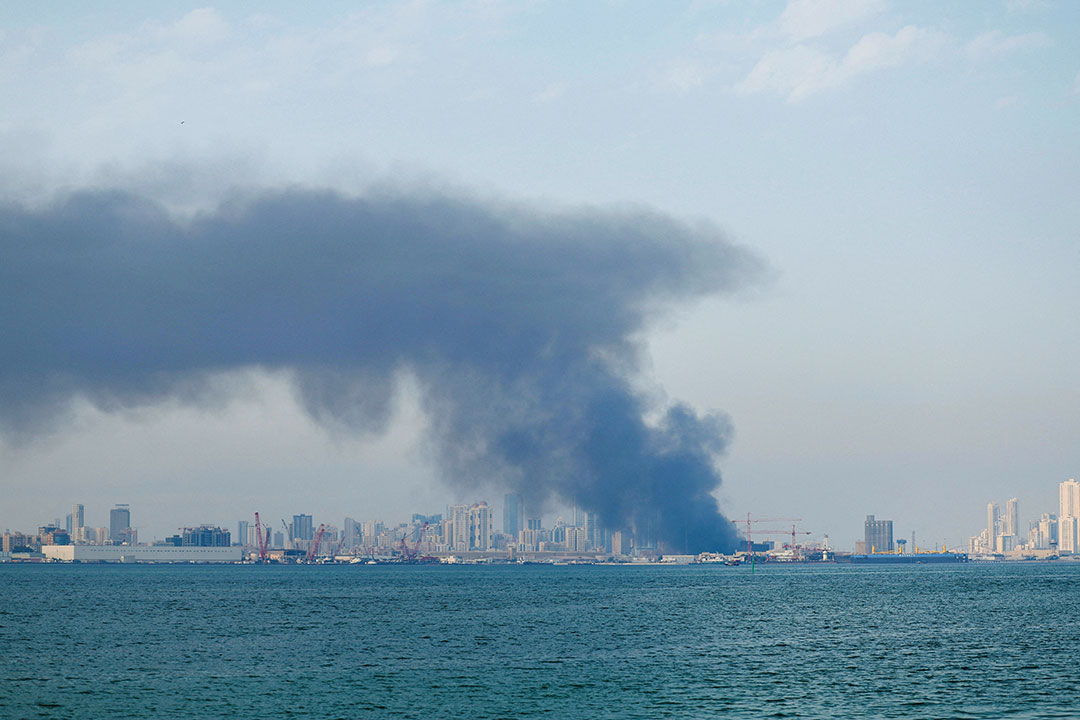
In retaliation, Iran had launched several counter attacks against Israel and US bases located in Gulf states, these include Iraq, the United Arab Emirates (UAE), Kuwait, Bahrain, Qatar, and Saudi Arabia.
The foreign ministers called on the parties to respect international law, noting that the escalating conflict continues to pose a grave threat to the lives and safety of civilians, as well as to regional and global peace and stability.
“We emphasize the importance of an immediate cessation of hostilities and call on all parties concerned to exercise utmost self-restraint, avoid any acts that may further aggravate the situation, and resolve differences through diplomacy and dialogue in the interest of maintaining peace and stability in the region,” the ministers added.
The ASEAN heads also said that they will provide emergency assistance to ASEAN nationals affected by the ongoing conflict.
PHL RESPONSE
The widening conflict in the Middle East also prompted the Philippine Senate to adopt a resolution calling on the government to hasten the deployment of measures to shield the Philippine economy and to protect and repatriate overseas Filipino workers (OFWs).
In a plenary session late on Tuesday, the chamber adopted Senate Resolution No. 41, sponsored by Senator Francis N. Pangilinan, urging the Philippine government to adopt interventions to mitigate the impact of the war and protect OFWs in the region.
The resolution calls on the Philippine government to activate targeted fuel assistance programs for the vulnerable sector, including public transportation drivers, agriculture and fisheries beneficiaries.
“We have fuel subsidy programs in the transport sector, for farmers, for fishermen because when the price of oil increases, the experience of our small workers, farmers, and fishermen will be difficult,” Mr. Pangilinan said in Filipino in a statement, late on Tuesday.
President Ferdinand R. Marcos, Jr. earlier called on Congress to grant him special powers to lower the excise tax on petroleum products, amid potential shocks in oil prices due to the ongoing conflict.
Separately, Senator Ma. Imelda Josefa Remedios “Imee” R. Marcos filed a resolution urging the Senate to conduct an inquiry into the country’s energy reserves.
“It is imperative for the Senate to assess the adequacy of the country’s energy reserves and evaluate the preparedness and responsiveness of relevant government agencies to mitigate potential ‘energy shock,’” she said in Senate Resolution No. 333.
Ms. Marcos added that the government must “exert all efforts” to secure long-term contracts that establish fixed prices to ease and buffer against sudden market spikes, as well as to access alternate markets to diversify and safeguard energy supply.
“If we have fixed-price contracts, we won’t be hit by sudden increases. The people are protected,” she said.
The Philippines imports the majority of its petroleum requirement from Middle Eastern states, any disruptions may warrant a potential surge in oil prices.
OFW WELFARE
The Senate, under Senate Resolution No. 41, also called on the government to intensify travel advisories and crisis communications for OFWs, and ensure clear guidance on registration, hotlines, and safe movement amid the ongoing conflict.
“We also want to know the immediate actions government agencies will take directly related to its impact to our economy and our Filipinos abroad,” Mr. Pangilinan said.
The Senate also urged the Department of Migrant Workers and the Overseas Workers Welfare Administration in coordination with recruitment agencies and employers to implement and expand its monitoring of Filipino workers by conducting regular welfare checks and updating verified locations and deployment lists.
It also called on relevant agencies to update contingency plans including evacuation protocols, temporary shelters, and repatriation pathways.
The resolution also urged the strict compliance with compulsory insurance coverage for agency-hired overseas workers and to strengthen claims assistance and documentation support.
The Middle East is home to about 2.4 million Filipino workers in hospitals, homes, construction and other sectors.