House panel urged to seek alternative CHED funding as travel tax cut advances
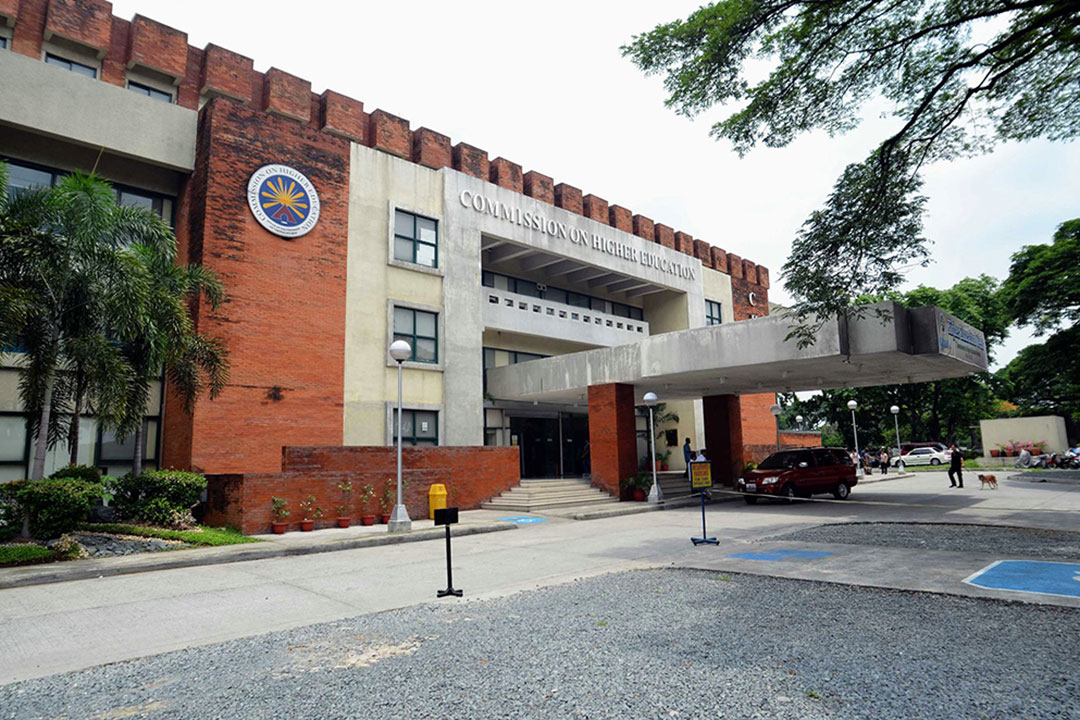
THE Commission on Higher Education (CHED) on Wednesday urged lawmakers to consider alternative funding sources for its tertiary education support program, as its chief warned of shortfalls should the government decide to abolish the travel tax.
At a congressional hearing, CHED Chairwoman Shirley C. Agrupis said that scrapping the travel tax for Filipino overseas travelers would cut a stable funding source for the Higher Education Development Program, which supports “long-term education reforms” and could affect scholarship and research programs.
“It will lose 85.6% of its funding, of which comes from the 40% of the travel tax collected,” she told the House of Representatives Ways and Means Committee. “This is a structural loss that directly affects scholarships, research, institutional upgrading and tourism education programs nationwide.”
Her appeal comes as lawmakers move to cut the travel levy, which critics deem burdensome for international travelers. The proposal has advanced in the House, where tax laws originate, with members now ironing out details amid concerns that scrapping the levy would remove funding sources for some government agencies.
At present, the government collects a travel tax of P1,620 from economy air passengers and P2,700 from first class air passengers if they are flying to a foreign country.
Exempt from travel tax are overseas Filipino workers, Filipino permanent residents overseas who stayed less than a year in the Philippines, and children aged two years and below.
The levy was first imposed by Republic Act No. 1478 in 1956 and was later amended through Presidential Decree No. 1183 in 1977. Under the law, 50% of the proceeds from the travel tax collection go to TIEZA, while 40% go to the CHED for tourism-related education programs.
The remaining 10% goes to the National Commission for Culture and the Arts.
President Ferdinand R. Marcos, Jr. has declared proposals abolishing the travel levy as a priority of his administration.
Ms. Agrupis recommended that funding for the commission’s reform program be sourced from at least 5% of collections by the Philippine Charity Sweepstakes Office, a share of gaming revenues from the state gambling regulator, or mandatory contributions from government-owned or -controlled corporations equivalent to at least 5% of their surplus funds.
“We are here to plead and pray to the honorable members of the Ways and Means committee to find ways and means to substitute the sources, because otherwise, we will be left behind,” Ms. Agrupis told lawmakers.
She also recommended that funding for the program be sourced from new taxes, such as the digital value-added tax, or through the corporate social responsibility initiatives of private companies.
Maria Karla L. Espinosa, director at the Department of Finance, said lawmakers should consider how programs affected by funding cuts would be financed again.
“The proposal would need to consider how these programs can continue to be sustainably funded,” she told lawmakers, adding that the agency “supports the abolition of the travel tax.” — Kenneth Christiane L. Basilio