Home Blog Page 7672

Outdoor building solutions for your commercial and residential space

In creating your home’s or business’s exterior, there are a lot of factors to consider aside from the aesthetics. The outdoor space is more exposed to different elements and weather conditions—so it is important to take note of the durability, usage, functionality, and of course, the style it provides to the overall look of your space. Here are some outdoor products from P.tech that are surely beneficial for any commercial or residential space:

Roofing

In upgrading the overall look of your exterior, roof tiles are a top-notch choice. These types of roofing are designed to provide energy efficiency, longevity, and easy maintenance. These are lighter than other roofs as it is made from high-quality steel with a sanded finish for added style and safety while installing.

To prevent leaks from occurring, it is also essential to install some roof valleys to save you unnecessary damage in the future. It will create runoff pathways to direct water flow from the roof planes into a valley trough. These roof valleys are made from top-grade quality materials ensuring long-lasting protection for your roof.

Flooring

For long-lasting flooring, it is a must to choose something that can withstand extreme weather elements as well as a high volume of foot traffic in busy areas of your home and business space. One of the most highly recommended options is the cement tiles. It is made with high-grade materials that are 100% waterproof and are highly durable, This type of flooring is also designed with a matte surface to ensure non-slip advantages while perfectly mimicking real wood or stone for a more natural feel.

Another safe and excellent addition to the floor is rubber tiles. These are designed to prevent breaking your floors due to heavy impacts. It comes with top-notch features including water, compression, and impact resistance, anti-skid, shock absorption, and large friction. This type of tile is very easy to install since it requires no glue or adhesive—just like laying out a puzzle mat. 

Aside from rubber tiles, another type of flooring is the interlocking drainage rubber mat. It is made to provide a safer and easier solution to spaces that are normally wet and slippery. The holes in the rubber mat allow water to be filtered while keeping the surface dry and safe for small children and the elderly. Installing is also hassle-free since you only need to interlock the sides to create a wide rubber matted surface.

Landscape

If you’re aiming for a cleaner and safer option to install in your outdoor space, opt for some high-quality eco grass. One of the best qualities of faux grass is it never withers. Maintaining is also effortless since lawn mowing and watering are not essential to keep it in good shape. You can ensure a green, vibrant, and aesthetically pleasing outdoor space for years.

Walls

An outdoor wall panel is an excellent way to give any outdoor structure or building an attractive finish. It offers the quality, feel, and characteristics of wood, but is more robust and eco-friendly. It is very simple and convenient to install due to its profile with a standard size

Another exemplary addition to your outdoor space is the wall cladding. It is made with long-lasting strength, resistance to water, moisture, and decay. It is also very easy to maintain, cost-effective, and provides an extra layer of insulation. The overall appearance of your outdoor space is largely determined by the exterior wall cladding, it can turn your walls into an exquisite and modern structure. 

Doors

Apart from its sophisticated look, a steel door is also one of the most durable kinds of door materials making it safer and more secure. It can withstand strong weather conditions and is highly resistant to warping and distortion. To add protection to your steel doors, consider installing a door canopy. It is made to prevent heavy rains, strong winds, as well as scorching heat from the sun from causing extensive damage to your doors and windows. It will also prevent other elements in your outdoor space from degrading quickly saving you more repairs in the future.

Start your building or renovating projects and get all your needed materials from P.tech, exclusively available at Wilcon Depot. Visit any of their 65 stores nationwide and explore the limitless product selections that Wilcon offers ranging from Tiles, Sanitarywares, Plumbing, Furniture, Home Interior, Building Materials, Hardware, Electrical, Appliances, and other DIY items.

Adhering to health and safety protocols to fight against COVID-19, Wilcon continuously implements necessary precautionary measures inside all of its stores to ensure their employees and valued customers’ safety, health, and well-being a priority.

You can also browse their Digital Catalogue and shop conveniently while at home through your personal shopper with the Browse, Call, and Collect/Deliver service. BROWSE the items you want to purchase at shop.wilcon.com.ph and www.wilcon.com.ph, CALL/Viber/text the Wilcon branch of your choice, and schedule a COLLECT/DELIVER. For the list of participating stores with their pick-up and delivery contact details, click this link: www.wilcon.com.ph/content/328-bcc-branches.

Another shopping alternative is the Wilcon Virtual Tour. An online shopping option wherein customers can contact the nearest Wilcon store via Facebook Messenger App. Customers can contact the nearest stores, and the Wilcon team will take you on a virtual tour where you can explore the available products inside their physical stores.

Wilcon also provides contactless payment options to its customers like bank transfers, GCash, PayMaya, InstaPay, PesoNet, WeChat, and Alipay for customers’ convenience.

For more information about Wilcon, you can log on to www.wilcon.com.ph or follow their social media accounts on Facebook and Instagram, and subscribe and connect with them on Viber Community, LinkedIn, and YouTube


Philippines’ further shift to clean energy

By Adrian Paul B. Conoza, Special Features Writer

The country’s energy grid continues to shift away from traditional sources and further to renewable ones. This was highly noticed in the past months as concerns on individual health and environmental welfare heightened amid the coronavirus disease 2019 (COVID-19) pandemic.

Hearing the louder call to harness cleaner sources of energy, both public and private sectors have strengthened their commitments to energize the country through renewables.

On the government’s part, the Department of Energy (DoE), through Secretary Alfonso G. Cusi, reaffirmed its commitment last year to develop the country’s renewable resources in fulfillment of the Renewable Energy Act of 2008.

In line with this commitment, a very notable move made by the DoE in 2020 was its moratorium on endorsements for greenfield coal power plants. Declared by Secretary Cusi last October, the moratorium is driven by the need for the country “to shift to a more flexible power supply mix.”

“This would help build a more sustainable power system that will be resilient in the face of structural changes in demand and will be flexible enough to accommodate the entry of new, cleaner, and indigenous technological innovations,” Mr. Cusi said in a statement.

Clean energy’s share
According to the DoE, renewable energy (RE) accounted for 33% of the country’s Total Primary Energy Supply in 2019. In terms of the country’s power capacity mix, meanwhile, Mr. Cusi shared in a virtual Energy Investment Forum last December that renewable energy’s share as of 2020 stands at 29.2%, with hydro contributing the most at 14.6% and followed by geothermal 7.5%, solar at 4%, wind at 1.7%, and biomass at 1.4%.

Contributing to this share are leading energy players which have taken the initiative to harness the country’s renewable resources. One of these players is Aboitiz Power Corp. which is regarded as a pioneer in renewables when it started its renewable portfolio with hydropower as early as the 1970s. As it expanded to other resources within the category, AboitizPower, together with its partners, is the Philippines’ largest owner and operator of renewable energy to date, with a total installed capacity of more than 1,500 megawatts (MW) to date.

“Our renewables portfolio, called Cleanergy, has a mix of RE technologies such as geothermal, hydro, and solar to address varying energy demands,” AboitizPower further explained. “This allows us to be more flexible and responsive to our customers’ requirements,” it added.

First Gen Corp., meanwhile, has an RE portfolio that has a large share of geothermal energy and is coupled with hydro, wind, and solar. Its latest annual report shows that geothermal takes 34% of First Gen’s installed capacity by source, while hydro, wind, and solar combined takes 8%.

On the other hand, MERALCO PowerGen Corp. (MGen) — through its RE unit MGen Renewable Energy, Inc. (MGreen) — has a portfolio led by solar, with its 50-MW solar plant in San Miguel, Bulacan, whose operations have just started this month.

Bigger targets
Alongside a stronger commitment to renewables, new targets have been set to further ensure the goal is attained. Earlier in February, the DoE renewed its RE targets in its latest National Renewable Energy Program (NREP). From a 54% target by 2040, announced last December, the updated NREP proposed a target of 55.8% by 2040 and 37.3% by 2030. The current NREP, spanning from 2011 to 2030, targets to bring the share of RE to 35% by the end of that period.

Along with this, the Philippines revised its target to reduce greenhouse gases (GHG) by 75% between 2020 and 2030. Among other gases, GHG covers carbon dioxide and methane, which have been observe to come from using traditional energy sources.

The country’s Nationally Determined Contribution to the UN Framework Convention on Climate Change, submitted earlier in April, states that under its 75% target, 2.71% is unconditional, or will be undertaken by the government through domestic resources.

The remaining 72.29%, meanwhile, is conditional on the support of climate finance, technologies and capacity development provided by developed countries, as prescribed by the Paris Agreement. Moreover, this portion represents the country’s ambition for GHG mitigation for several sectors, including energy.

AboitizPower expressed its support for the government in meeting these targets that aim to significantly reduce the country’s carbon footprint. “With decades of extensive experience and proven track record in RE, AboitizPower is well-positioned to actively participate in the government’s RE programs and significantly contribute to the country’s RE targets,” the firm added.

AboitizPower is also constantly innovating and adapting to new RE technologies to ensure that the current and future RE needs of the country will be served, the firm continued.

In the next 10 years, AboitizPower is further growing its Cleanergy portfolio as it heavily invests in renewable energy, especially wind, hydro, and solar, as well as other technologies such as battery. “This is in support of the government’s efforts to build the country’s RE market and also our contribution to the global RE targets,” the firm explained.

Also, MGen’s parent firm Meralco, through Chairman Manuel V. Pangilian, said in a BusinessWorld report that the company looks forward “to many more investments in renewables, particularly solar, as we attempt to achieve that balance in fuel sourcing, which will ultimately be biased towards renewables”.

AboitizPower also notes certain programs already set in place to build and grow the country’s RE market. These are the Renewable Portfolio Standards, which require power distributors to source a certain portion of their electricity requirements from eligible RE sources; and the Green Energy Option Program (GEOP), which provides end-users with the option to choose RE sources.

“We are optimistic that these programs will encourage more consumers to switch to RE; and as a pioneer and leader in the RE space, we are ready to serve the growing RE demand,” the firm pointed out.

First Gen Vice-President for Power Marketing, Trading and Economics Carlos Lorenzo L. Vega announced early in March that it will make around 690 MW of geothermal power available for the GEOP.

Adapting through innovation

By Bjorn Biel M. Beltran, Special Features Writer

The impact of the coronavirus disease 2019 (COVID-19) pandemic can be felt in all aspects of the business community, even as the rollout of vaccines begins in earnest. Though the end to the crisis may be in sight, it is certain that many of the changes that have happened over the past year will leave a lasting legacy for years to come.

In the insurance industry, where there is a heavy emphasis on the client-seller relationship, the challenge of maintaining such relationships over the government-imposed community quarantine is considerable.

“Traditionally, selling insurance relies heavily on the relationship between a seller and a customer. Sticking to the old way of insurance selling during this time may disrupt the customer journey at some point, especially since lockdowns pose a challenge to face-to-face meetings,” Surendra Menon, chief executive officer of BPI-Philam Life Assurance Corp., said in an e-mail.

Sun Life of Canada (Philippines), Inc. Chief Executive Officer and Country Head Benedict C. Sison further noted that severe mobility restrictions made it difficult to reach the insuring public, hampered the licensing and recruitment of advisors, and interrupted their client servicing.

“Lockdowns also redefined the definition of the office, forcing insurers to pivot their operating models. Market volatility kept clients on the sidelines and cut down investment earnings,” he said.

Yet, one way that the industry has adapted to these challenges, Mr. Menon pointed out, is through digitalization.

“BPI-Philam began embracing digital transformation before the pandemic even began, so shifting to online selling was not really a huge concern. However, we recognized deep into the lockdown that there was still work to be done and so we focused our time and resources in empowering our digital capabilities,” he said. “Through digital selling, insurance becomes more accessible to customers and allows more Filipinos to stay protected from the unexpected.”

Innovation has become a major theme throughout the business world during the COVID-19 crisis, and it is none more evident in the insurance industry. Mr. Sison said that the challenges imposed by the pandemic have led to opportunities in creating new innovative solutions and digital initiatives aimed at serving their clients.

All the while, regulators such as the Insurance Commission welcomed the digitalization of the industry, even going as far as introducing temporary licensing to advisors.

“For us at Sun Life, it was also a chance to try a new model for our workforce. While we already had a work-from-home program in place, we were able to test our limits as the entire organization went into telecommuting mode during the first few weeks of the lockdown,” he said.

On the customer side, the uncertainty brought about by the pandemic has increased the public’s consciousness about health and security, leading to an increase in the appreciation for insurance products.

“When lockdowns began in March 2020, most local insurance companies’ sales declined. This was expected since cash flow became an issue in the short term. However, because of the uncertainty surrounding COVID-19, more customers were made more aware of the benefits of insurance, which boosted consumer curiosity for protection products,” Mr. Menon said.

“There was a sharp increase in curiosity for health and protection solutions, which we experienced when we launched MedLife Protect Plus, our investment-linked life and health insurance product that gives considerable protection and better access to medical care with minimal out-of-pocket expenses. When our Bancassurance Sales Executives (BSEs) touched base with our clients, the feedback they got was that protection products were becoming more relevant in their lives due to the risks brought about by the pandemic,” he added.

This shift in public consciousness was evident all over the industry.

“We experienced a shift in preference to more health and traditional products. Likewise, we saw more participation from our younger client base. For Sun Life, market volatility also translated to a negative impact on the value of assets under management and unmet investment earnings plans. We have been providing clients information to reduce the paralysis in making financial decisions by raising their awareness of other options,” Mr. Sison pointed out.

“The heightened appreciation for health also allowed the company to launch a number of health solutions, further enabling us to achieve a healthier balance between traditional and VUL (Variable Unit Linked) products in a primarily VUL market,” he added.

The economic impact of the global crisis is likely to be felt for years to come. Until an economic recovery can be achieved swiftly and millions of affected Filipinos can recover their livelihoods, the uncertainty over the future will linger.

Mr. Sison said that while this lasts, health will remain a top priority among Filipino families as many Filipinos realize that nothing is more important than their and their loved ones’ life and health.

“With the economic impact of this crisis, many Filipinos realized their financial vulnerability and this has made them more appreciative of the security that our financial solutions can offer, particularly those that provide some savings or investment component, as well as health. In a survey we conducted with our clients, one thing they said they would really like to have more of is financial advice,” he said.

“This is most relevant to our industry as protection of life and health is what insurance is fundamentally all about,” he added.

The dilemma of untangling carbon emissions from economic growth

For more than a century now, the idea of economic growth has been inextricably linked with the use of fossil fuels, and therefore the emission of greenhouse gases. The industrial revolution was built on the use of coal in steam engines, and likewise the use of oil and natural gas have accelerated the growth of the modern world. Fossil fuels, in a way, have become synonymous with economic prosperity.

Yet in a time when climate change is starting to dominate popular conversation, and renewable energy sources like solar and wind power are becoming ever more affordable, this notion is being put into question. It is becoming increasingly easier to imagine a world of economic prosperity without endangering the environment.

The question is: How can the world of today transition into that world of tomorrow?

According to the International Energy Agency (IEA), the intergovernmental organization established under the Organization for Economic Co-operation and Development (OECD), CO2 emissions will increase by almost 5% this year to 33 billion tons, based on the latest national data from around the world as well as real-time analysis of economic growth trends and new energy projects that are set to come online.

This reverses much of the decline in emissions in 2020 due to the COVID-19 pandemic and the ensuing government lockdowns it caused all over the world. Coal demand is set to rebound by 4.5%, surpassing its 2019 level and approaching its all-time peak from 2014, with the electricity sector accounting for three-quarters of this increase.

Emerging markets and developing economies are the key drivers of this demand. Global energy demand, the organization said, is set to increase by 4.6% in 2021, pushing it above its 2019 level. Moreover, demand for all fossil fuels is on course to grow significantly in 2021, with both coal and gas set to rise above their 2019 levels. Oil is also rebounding strongly but is expected to stay below its 2019 peak, as the aviation sector remains under pressure.

“The expected rise in coal use dwarfs that of renewables by almost 60%, despite accelerating demand for renewables. More than 80% of the projected growth in coal demand in 2021 is set to come from Asia, led by China. Coal use in the United States and the European Union is also on course to increase but will remain well below pre-crisis levels,” the IEA said in a statement.

In contrast, electricity generation from renewables is set to leap by over 8% in 2021, accounting for more than half of the increase in overall electricity supply worldwide. Solar and wind power account for most of that rise, both of which are on track for their largest annual rise in history.

According to data, electricity generation from wind is projected to grow by 275 terawatt-hours, or around 17%, from last year. Electricity generation from solar PV is expected to increase by 145 terawatt-hours, up almost 18% from last year. Their combined output is on track to reach more than 2 800 terawatt-hours in 2021.

“This is a dire warning that the economic recovery from the Covid crisis is currently anything but sustainable for our climate,” said Fatih Birol, IEA executive director. “Unless governments around the world move rapidly to start cutting emissions, we are likely to face an even worse situation in 2022.”

The energy sector is a key contributor to climate change, accounting for more than two-thirds of global greenhouse gas emissions. The consensus among climate experts is that the world must reduce its greenhouse gas emissions to a net zero by 2050 or sooner, or otherwise prepare for severe, if not outright catastrophic, social, economic, and environmental damage.

Many countries, including the Philippines, have already embraced that goal. But as Ken Gillingham from the International Monetary Fund’s Finance and Development, puts it, “it will require a vast transformation of the energy sources used to power the global economy, and it would mean going far beyond business-as-usual technological progress”.

“Is it possible to decarbonize deeply enough to come within striking distance of net-zero greenhouse gas emissions by 2050? Yes, it is feasible even today — the technologies exist. Yet such a vast transformation of the energy system will be costly and challenging if attempted all at once, especially considering the large short-term costs of the transition for fossil-fuel-reliant developing nations,” Mr. Gillingham said.

“There are certainly inexpensive measures that can be implemented today, including energy conservation, efficiency nudges, and the replacement of retiring fossil-fuel powered electricity generation with renewables. The costs of these measures are already lower than the damage from climate change they would avert, based on estimates of carbon’s social cost. But many other approaches are quite costly in the short term, especially efforts to promote new low-carbon technologies. However, when the policies have strong potential to spur innovation, they may lead to much lower total costs over the longer term,” he added.

Yet, as made clear by the recent IEA data, many developing countries continue to drive the use of fossil fuels, which in turn accelerates the rate of climate change. Unless the notion of economic growth is decoupled from the use of fossil fuels, or policymakers worldwide make a united effort to implement sweeping changes to the global energy industry, the world is heading towards a future that is far from prosperous. — Bjorn Biel M. Beltran

The value of insurance during a crisis

When the coronavirus disease 2019 (COVID-19) global health crisis gravely hit the economy and stirred future uncertainties, many have become more conscious about their financial security.

During the first six months of the pandemic, the share of retail consumers who ranked financial security as one of their top three concerns grew from 36% to 50%, according to a 2020 research report by professional services firm Accenture on how the pandemic changed the behavior of consumers towards insurance.

The research also revealed that the value for money rose among consumers in 2020, climbing to the top priority from its fourth place in 2018. It reported that money becomes the most important factor when consumers deal with banks and insurers.

“Health, safety, and financial security are more important than ever to consumers during the COVID-19 era,” Accenture observed. “While consumer reactions vary, preventing and recovering from losses through insurance has become essential to consumers’ well-being.”

As the attention over personal and family health and the fears for finances are escalating, the research stated that insurers could therefore broaden and deepen their relationships with their consumers by providing protection to their finances during this uncertain time.

Having insurance mainly functions to avert and recover from financial loses. Insurance can also support people, including their loved ones, not just in financial aspects.

Currently, as everyone struggles due to the public health crisis, “getting health insurance in the Philippines can be one of the smartest decisions you can make,” wrote BPI-Philam Life Assurance Corp. on its website.

The insurance company warned that hospitalization costs could put a significant damage on one’s savings. And as the risk of COVID-19 still persists, bills could also continue to increase.

“Getting a comprehensive health insurance plan means you can be prepared for most of the hospital expenses you may incur because of the illness,” BPI-Philam said.

There are health insurance plans that do not just cover COVID-19 costs, but other illnesses as well. Hence, it is important to look for a plan that can help and protect oneself and the family even after the pandemic ceased.

Additionally, BPI-Philam believes that “investing in your health can also help you grow your wealth if you choose an insurance plan with investment options tied to it.”

It perceived that this kind of set-up could make two winning results such as decrease in medical bills and increase in long-term savings funds.

“With your apprehension for medical expenses out of the way, you can go ahead and continue planning for your family’s future,” BPI-Philam said.

Moreover, keeping health savings in place could likely aid one’s health too by getting rid of issues that cause worries. “Without that added stress and pressure weighing down on your shoulders, you will indeed have a more positive disposition and feel safer no matter the situation,” the insurance company added.

While health insurance is apparently useful amid this crisis and other medical issues, another category known as life insurance can provide financial security for various matters. It is also a kind of insurance that supports during and beyond the holder’s lifetime.

According to another story from BPI-Philam’s website, life insurance is like a “fool-proof protection” for a person and his/her loved ones upon the occurrence of most threatening situations.

“By getting insured, you have the ability to prepare for anything that may happen in the future — be it illness, hospitalization, retirement, or even death,” it said.

This insurance drives a person to save and therefore enables him/her to curb the tendency of spending more. Afterwards, it will protect one’s income when unexpected expenses happen.

Furthermore, life insurance can be reliable when the holder begins to fulfill his/her significant plans. “With money set aside and safely put away in life insurance, you can be confident that when you decide to bring your future plans to fruition, the funds will be there and ready for your use,” BPI-Philam said.

And when the chosen type of life insurance has a built-in cash value, which is invested in stocks, bonds, and mutual funds, it can also allow the person to earn higher returns and eventually attain his/her financial goals in a shorter period of time.

Yet, most importantly, life insurance maintains to support a holder’s dependents in financial terms even if he/she is not around anymore.

“[It] secures your family’s future and frees them from financial worries. It takes care of expenses like mortgage or a college education, which you would no longer be able to support,” the insurance company explained.

Since life insurance can guarantee assistance for potential finances, it can thus deal with one’s concerns over the lives of his or her loved ones and if there are sudden events that would involve large expenses. This protection can let the holder experience a peace of mind in spite of the constant uncertainties at present and in the future. — Chelsey Keith P. Ignacio

Building insurance’s resilience amid the pandemic

The impacts of the coronavirus disease 2019 (COVID-19) pandemic have been various and rampant. Aside from infecting thousands of individuals at a fast pace, the pandemic eventually struck the operations of businesses — resulting in sudden shifts to remote work, closed or limited operations of establishments, and even layoffs and pay cuts.

Nevertheless, businesses have found their respective ways of riding the tides of the current crisis as they realized further the need to adapt and to be resilient. Among the sectors that have notably shown resilience amid the pandemic, especially in the global landscape, is insurance.

In its 2020 Global Insurance Market Report (GIMAR), the International Association of Insurance Supervisors (IAIS) noted that the global insurance sector has demonstrated both operational and financial resilience with the help of supervisory measures that provide operational relief as well as monetary and fiscal support measures in financial markets in certain regions.

“High-level results indicate that although the financial market volatility caused by the COVID-19 crisis in the first half of 2020 did affect the global insurance sector’s solvency and profitability (primarily through its impact on assets), insurers’ available capital resources generally remained well above requirements,” the report further explained.

Discussing the impact of COVID-19 on the global insurance sector from a supervisory perspective, GIMAR noted that the insurance sector felt the “most significant prudential impact” on solvency and profitability, primarily through losses on the asset side.

“Based on the data submitted for the first half of 2020, the solvency ratios of insurers have declined slightly, but overall the sector’s capitalization has remained resilient. Insurers reported that capital resources remained well above requirements,” the IAIS report explained.

The GIMAR also observed that the main impact on the asset portfolios of insurers was driven by the decline in value and/or holdings of the equity portfolio, which was partially recovered during the second quarter; a rise in cash holdings; and a strong increase in the “other assets” category for certain insurers.

The report also noted the pandemic’s “significant pressure on profitability, mainly for life and composite insurers”. In the first half of last year, IAIS continued, the pandemic significantly affected investment revenues in terms of impairments and investment losses from financial market downturns.

On the liability side, IAIS found that the results vary greatly, depending on the business model.

“For example, insurers involved in business lines like travel, event cancellation, business interruption, and pandemic/excess mortality insurance experienced a more significant impact, whereas insurers with more diversified portfolios were affected to a lesser extent, as claims in other lines such as motor insurance decreased significantly due lower global economic activity,” the association explained.

In terms of liquidity, the data IAIS gathered suggests that the impact has been limited, raising no immediate concern on the sector’s ability to fulfill obligations at this point.

“Insurers report that they have secured access to liquidity facilities, issued debt, and found stability in operating in money markets, including repo markets,” the report continued.

Aside from the certain impacts brought by the pandemic, the GIMAR also noted the supervisory response of insurers around the world to the pandemic. IAIS noted that the responses have primarily focused on the operational relief and resilience of insurers, with prudential measures aimed at capital preservation and enhanced risk management and reporting.

In monitoring financial risks, insurance supervisors were observed to have taken specific actions such as to preserve insurers’ solvency positions. These include conducting scenario analysis and stress testing as well as requesting insurers to temporarily limit, suspend, or eliminate dividend payments and/or variable remuneration.

Supervisors also put in place conduct of business measures that are aimed at ensuring the continued fair treatment of customers. These measures include requiring or encouraging insurers to provide financial and other relief to policyholders; emphasizing the need for clear and accurate communication and information relating to their policies; and making specific interventions relating to product design, underwriting, and coverage limits for COVID-19 exposures.

Regarding the continuance of operations, supervisors were observed to have worked on reviewing the readiness of relevant business continuity plans; recommending enhanced IT risk management and upgraded IT infrastructure and cybersecurity measures.

In addition, these authorities, acknowledging the huge operational strains experienced by insurers, have set in place measures such as temporarily delaying on-site inspections and misconduct proceedings; suspending or limiting regular data collections; and simplifying supervisory reporting to the needs of COVID -19 information, among others.

Through several actions taken by supervisors to meet their pressing needs, insurers were able to stand strong against the pandemic’s impacts. Nevertheless, as IAIS sees, challenges are still expected to be tackled by the industry.

“Vulnerabilities remain, given uncertainties about the duration and impact of the COVID-19 crisis. These vulnerabilities include the potential for decreasing credit quality of insurers’ fixed income portfolios and the impact of the deepened low yield environment,” the association noted. — Adrian Paul B. Conoza

Growing the business with renewable energy

Business operations and climate change have a complicated connection. Nevertheless, this can still be resolved.

“The massive developments in business have benefited people greatly, but at the same time, they have come with a price: increasing the rate of climate change,” Talal Rafi, a World Bank Global Youth Climate Network Ambassador on Climate Change, wrote on Forbes.

Yet, Mr. Rafi said that all businesses can play a role in combating climate change. Among the actions that businesses should to take in fighting this concern, he recognizes the impact of using renewable energy (also referred to as clean or green energy).

According to him, working towards carbon neutrality, which could be helped by a switch to renewable energy, is a powerful way for businesses to mitigate climate change. It is also one of the two key areas where businesses can bring in innovation in dealing with the said issue.

“The renewable energy market is set to reach $2.15 trillion by 2025, so there is a huge market for businesses to move into when it comes to growth,” he noted.

Since May 2020, the Environmental Protection Agency and Fortune 500 acknowledged several major companies like Microsoft and Intel that have been using green energy. Topping the list is Google LLC, which annual green power usage in kWh is 7,492,567,647.

Just last month, Facebook has also announced that its global operations are now supported by 100% renewable energy. It also shared how it reached this goal that was set in 2018.

“We believe that climate change is an urgent issue facing the world today, and we are committed to doing our part to address this challenge,” Urvi Parekh, director of renewable energy at Facebook, shared on the social media platform’s tech website.

Facebook’s journey towards an absolute renewable energy began in 2011. Ms. Parekh recounted their first wind project in Iowa and have continued their progress to build one of the largest portfolios of renewable energy projects.

“Our commitment to renewable energy has resulted in 63 new wind and solar power plants, representing an estimated $8 billion of investment,” she said. “These projects support tens of thousands of jobs during construction, when solar panels and wind turbines are installed on-site, as well as along the global supply chain to produce solar panels and wind turbines and towers.”

At present, Facebook is one of the largest corporate buyers of renewable energy, with contracts in place for more than six gigawatts of wind and solar energy across five countries and 18 American states.

“In partnership with the utilities that serve our data centers, we have also developed new green tariffs, which are mechanisms for customers to buy green power from their electric utility,” Ms. Parekh informed.

She also said that Facebook has already announced 720 MWh of new energy storage projects paired to solar power plants this 2021. “We remain committed to innovative solutions that increase the amount of renewable energy on electricity grids around the world, including energy storage,” she added.

Ms. Parekh said that Facebook continues to work on maintaining its 100% renewable energy as they continue to grow.

“We’ve already set a new goal that in 2030, we will reach net zero emissions across not only our own operations but also our value chain (our suppliers, as well as items like business travel and employee commuting),” she stated.

Facebook is merely among the big businesses that embraced renewable energy which benefitted its operations. The European Business Review looked at how the transition towards a sustainable future through renewable energy can let companies experience its advantages.

“Going green can help a company’s finances in multiple ways, it also attracts more customers and clients,” it observed.

The journal said that renewable energy like solar and wind could notably decrease the company’s energy bills. Moreover, since the company would rely on an energy generated from natural processes, there can be no service disruptions that can cost sales.

Companies can also further boost the local economy through renewable energy, according to the journal. As Facebook also demonstrated, the switch to renewable energy will encourage growth and create jobs, particularly in the energy sector.

“By adopting renewable energy such as solar, you will be able to reap the rewards of your investment over a period of time. Although the initial cost may be high, you will certainly see the savings in the years ahead,” the European Business Review stated. — Chelsey Keith P. Ignacio


Malayan Insurance is Top Philippine non-life insurer

Photo shows (from left): Malayan Insurance president and CEO Paolo Y. Abaya, Insurance Commissioner Dennis B. Funa, Malayan Insurance chairperson Helen Y. Dee and vice chairperson Yvonne S. Yuchengco.


Photo shows (from left): Malayan Insurance president and CEO Paolo Y. Abaya, Insurance Commissioner Dennis B. Funa, Malayan Insurance chairperson Helen Y. Dee and vice chairperson Yvonne S. Yuchengco.

In the latest release of insurance industry unaudited figures, Insurance Commissioner Dennis Funa said that Malayan Insurance Co., Inc. was in first place for the Philippine non-life insurance industry, based on Gross Premiums Written, for the Year 2020.

Malayan Insurance’s number one ranking was based on the compilation of quarterly reports on selected financial statistics of the insurance industry, submitted by companies to the Insurance Commission.

Based on a compilation of unaudited reports submitted for the year 2020, Malayan Insurance’s gross premiums written amounted to P14.21 billion, the highest in the industry, despite the effects of the COVID-19 pandemic on the economy. Malayan’s net premiums written were at Php4.08 billion, putting it among the top non-life insurers in the country.

“Gross premiums written (GPW) are computed by taking the sum of an insurance company’s premiums from direct business and assumed premiums before the effect of ceded reinsurance,” IC Commissioner Dennis Funa earlier explained. GPW reflects the total business written by the insurance company, “while net premiums written (NPW) are obtained by subtracting a non-life insurance company’s reinsurance cessation from GPW,” said Funa.

With many of the largest Philippine companies placing their non-life insurance with Malayan Insurance during the pandemic, the company has secured reinsurance support to be able to meet the requirements of Philippine business.

Official and audited insurance industry figures are released in the Insurance Commission website in, middle of the year.

Malayan Insurance has been the dominant non-life insurer of Philippine businesses and families for over 50 years. Malayan Insurance is rated by AM Best, a global rating authority for the insurance industry, with Financial Strength Rating (FSR): B++ (Good), and Long-Term Issuer Credit Rating (Long-Term ICR): bbb+, providing the Philippine insuring public with world-class insurance protection.

Malayan Insurance, founded in 1930, is a member of the Yuchengco Group of Companies (YGC), one of the largest conglomerates in the Philippines, with core businesses in financial services, banking, investments, construction, education, energy, and information technology.

Sun Life of Canada (Philippines), Inc.: Constantly committed to purpose and clients

By Adrian Paul B. Conoza, Special Features Writer

Amid the COVID-19 pandemic’s impact on businesses and individuals, the insurance industry continues to fulfill its purpose, and its relevance among consumers has even widened with the increase in health and safety concerns.

Testifying to the steady commitment of the sector is the remarkable performance of Sun Life of Canada (Philippines), Inc. as it remains the top life insurance company in the country.

Last April, the Insurance Commission reported that in 2020, Sun Life posted the highest premium income among life insurers at P39.27 billion. With this latest achievement, Sun Life has successfully retained its no. 1 position for 10 consecutive years.

Sun Life Philippines Chief Executive Officer (CEO) and Country Head Benedict C. Sison attributes this steady performance of the company to the focus it gives on clients, coupled with constantly being driven by its purpose.

“What really drives us is our purpose of helping clients achieve lifetime financial security and live healthier lives,” he said in an e-mail. “Being no. 1 is but a reward for putting our focus on our clients.”

Mr. Sison also noted as an achievement that the company recorded paying claims and maturities amounting to P4.7 billion last year. “This stands for the fulfillment of our promises to our clients, and to be able to carry out our mission in such extraordinary times is an honor,” he said, adding that the company is thankful that it was able to keep its team together and focused amid the pandemic.

Furthermore, the CEO finds Sun Life fortunate to have advisors and employees who genuinely believe in the company’s purpose and are determined to do their part in making it happen. This, he added, enables the company to aim for more robust and impactful strategies to enhance client experiences.

Mr. Sison also sees the company’s longevity — marked by generations of advisors championing Sun Life’s advocacy and generations of clients constantly relying on the company — to have strongly supported Sun Life, especially in a challenging time like the ongoing pandemic.

The CEO noted, nonetheless, the constant imperative to be adaptive to change, which has been further stressed by the pandemic. “[T]he world can change in a day,” he said. “This emphasized the value of a good sustainability strategy and sound risk management practices, highlighting a strength that Sun Life has proven in its 126 years in the Philippines.”

Such strategy must be coupled with a strong culture, he added. “During the extreme lockdowns, it was our company’s culture of collaboration, community, resilience, and passion that allowed us to rethink our plans and pivot quickly to a new operating model,” Mr. Sison added. “When the organization is aligned in its values, purpose, and goals, it is easier to pivot when a crisis occurs.”

A significant part of Sun Life’s pivot amid the pandemic is upgrading its digital capacity, which consist of rolling out its Digitally-Enabled Selling process and Remote Online Medical Examination — both of which, Mr. Sison noted, continue to be key in the successful pursuit of the company’s purpose.

The CEO added that Sun Life has implemented its eRecruitment platform that allows the company to enhance the journey of its new advisors; the Advisor Home Office platform that helps current advisors expedite tasks; and its own eLearning platform that allows its community to continuously expand their knowledge despite the current restrictions.

“Our Human Resources and Business Transformation teams have started efforts to inculcate a digital mindset among our employees,” Mr. Sison continued. “Educational opportunities on the agile approach, risk management, psychological safety, and other programs have been expanded to boost collaboration as we strive to strengthen our digital capabilities.”

Alongside its digital efforts, Sun Life continues to find new ways of reaching people better through a dedicated team for client research; its cross-functional Client-Centric Solutions Idea Generation council that focuses on innovating solutions for clients; as well as external experts and third-party research companies.

As the country proceeds into the ‘now normal’, Sun Life remains grounded on its focus on its clients by enhancing their experience across every platform possible and deepening relationships through emotional connections.

At the same time, it will continue to be focused on its purpose by further defining financial security and healthier lives through four pillars: liquidity, health and protection, wealth accumulation, and wealth transfer.

“Health is an opportunity that this pandemic heightened. It’s an area we will further emphasize and grow,” Mr. Sison said.

In light of these, the CEO said that plans are in place to launch new product solutions, embed technology into more digitally enhanced human capabilities, and further enrich the client-advisor engagement while observing safety protocols.

The company, he added, will continue to engage the business owners segment as it continues to develop solutions and services that will provide them with options to its current suite of products. New solutions are also expected to be introduced for asset management.

BPI-Philam turns challenges into opportunities

Long before the threat of a pandemic, businesses had embraced modern ways of selling by bringing their products to where the customers are: The Internet. Through powerful e-commerce platforms, brands have learned to widen their reach, target their desired market, and maintain their relevance in ways that weren’t as quick and easy when done through traditional means.

Now that it’s been over a year since COVID-19 shifted our gears, it seems like going digital is the only way a business would not only survive, but thrive.

Getting protection from the comfort of your home
It was tricky at first for the insurance industry to adapt to digital selling, especially since insurance is traditionally a product built on personal relationships between customers and their agents. Insurance companies trained agents to meet with clients and some even dedicated office spaces for sales meetings.

However, months into a continuous lockdown, the Insurance Commission (IC) reviewed some of their existing regulations to better serve the public. Eventually, the IC eased restrictions and allowed insurance companies to fully sell insurance products digitally.

Last November 2020, Commissioner Dennis Funa ruled that “life and non-life insurance companies are hereby allowed to utilize remote selling initiatives in the sale of their products, regardless of amount of premium payable on the policy sold.”

Embracing digital transformation early on
BPI-Philam was quick to adapt to the IC’s new regulations even during pre-pandemic as they were already equipped to digitalize the customer experience.

Customers can review their coverage details, monitor policy values, and even pay their premiums through BPI-Philam’s very own online Customer Portal called ePlan. Bancassurance Sales Executives (BSEs) stationed at BPI and BPI Family Savings Bank branches are provided iPads, equipped with the ability to help customers discover their needs and find an insurance product that best suits them. BPI-Philam also piloted an electronic Know-Your-Customer (eKYC) technology which lets BSEs understand a customer better so they can recommend the right insurance product — no face-to-face meetings required.

These initiatives carried BPI-Philam to the forefront of digital insurance through the years and helped maintain the company’s standing as the country’s number one in bancassurance since 2014.

There’s no end to learning
When things took a sharp turn in 2020, the enhanced community quarantine (ECQ) posed new challenges for BPI-Philam to protect more Filipinos.

“Due to the pandemic, we’ve seen an increased sense of need for life and health insurance among the public in the past few months, and BPI-Philam understands that the implementation of the ECQ makes it inaccessible to them,” said BPI-Philam’s Chief Executive Officer Surendra Menon in a press release.
Despite the challenges, BPI-Philam used this time to further improve the way they fulfill their mission of making insurance easy to get and easy to have for every Filipino, no matter what class they belong to.

With the November ruling of the IC on digital selling, BPI-Philam together with AIA Philam Life introduced Coffee Closing, a digital journey where customers can be insured as fast as twenty minutes, or before a cup of coffee gets cold. BPI-Philam’s Bessie the virtual chatbot assistant was launched on Facebook Messenger and Viber to help customers with their basic policy inquiries and concerns. BPI-Philam also shifted to ePolicy, a legally-binding digital copy of a policy contract which clients can safekeep online without the risk of losing or damaging their contracts. BPI-Philam also made it easier to file a claim by simplifying the claims process.

Flourishing at an extraordinary time like this requires flexibility and a renewed mindset towards change. It’s about thinking ahead of the customer and anticipating their needs. More importantly, it’s also the perfect time for an insurance company to let financial technology transform their business so they can continue to be a dependable partner for their customers.
“As we move forward, BPI-Philam will always be innovating and adapting accordingly,” said Mr. Menon.

Rediscovering investment opportunities in real estate

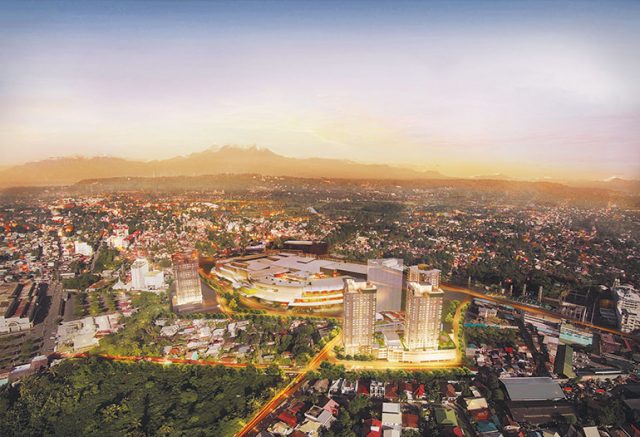
Abreeza Davao

Moving closer into the second half of 2021, the notion of economic recovery is on everyone’s minds, particularly as the government’s COVID-19 vaccination program commences. In the real estate market, where office and commercial spaces have borne the brunt of the pandemic, such a recovery could be close, both in and out of the metro.

BusinessWorld Insights, in partnership with Alveo Land, hosted a webinar titled “Investing on Next Wave Cities: Emerging Potential for Real Estate” that attempted to chart the immediate future of the country’s property sector, especially that of emerging markets outside of the National Capital Region.

Claro Cordero, head of research for Cushman & Wakefield, said that foreign companies, particularly those in the Information Technology Business Process Management sector, are attracted to the upcoming infrastructure projects in areas like Pampanga, Laguna, Cebu, and Davao.

Markets like Pampanga, Laguna, Cebu, and Davao are attracting investments from major developers. Claro Cordero, head of research for Cushman & Wakefield, said during the exclusive webinar that foreign companies, particularly those in the Information Technology Business Process Management (IT-BPM) sector, are attracted to the upcoming infrastructure projects in these areas, along with their young and educated workforce.

“The Philippines is still one of the most attractive emerging markets, not only in the Asia-Pacific region but also in the rest of the global economy. Especially since the Philippines’ very young population is expected to provide an ample source of healthy workforce for at least the next twenty years,” he said.

Ongoing government projects like the NLEx Harbor Link, Metro Manila Skyway Stage 3, Metro Manila Subway, North-South Commuter Railway Project, Malolos-Clark Railway Project, and the Laguna Lake Highway, Mr. Cordero noted, are pushing investors to the north and south of the capital.

“The IT-BPM industry continues to be a strong demand driver for office space in the country, averaging 500,000 square meters. The industry also continued to expand in 2020 amidst the COVID-19 pandemic,” Phillip G. Añonuevo, executive director for commercial leasing at Leechiu Property Consultants, Inc., added.

In 2020, he pointed out, IT-BPM demand in the provinces accounted for a record 43% of the total IT-BPM take-up in the country. The appeal of such markets are bolstered by the availability of PEZA buildings, pushing companies to acquire office spaces there. Iloilo accounted for the biggest take-up in the country, with Cebu, Clark, and Davao following behind.

“Last year, the demand for office space was just around 182,000 square meters. We’re hoping that would normalize to maybe half a million square meters next year, and three or four years down the road. It’s entirely possible that we go back to the higher levels of demand, which would be in the million square meters every year that we experienced in 2018 and 2019,” he said.

Mr. Añonuevo specifically cited three key areas that show great investment potential in the near future: Cebu, Pampanga, and Davao.

“Cebu makes for a good case study with regards to real estate investments. It has all the fundamentals in place: very good government support, and available real estate. Cebu is a good example of a city that is prepared, and has investors who are confident in developing properties there. As a result, Cebu is host to many of the world’s largest companies,” he said.

Phillip G. Añonuevo, executive director for commercial leasing at Leechiu Property Consultants, Inc., cited three key areas that show great investment potential in the near future: Cebu, Pampanga, and Davao.

Pampanga, meanwhile, benefits from a slew of recent infrastructure developments, most notably the upcoming Clark International Airport, and its proximity to Metro Manila. Davao has continually proven itself as a city with solid fundamentals and the rise in the number of master-planned townships in these areas further enhances their foreign appeal.

“Outsourcing to the Philippines will continue to be a viable business strategy for many companies in the next ten or twenty years,” Mr. Añonuevo said.

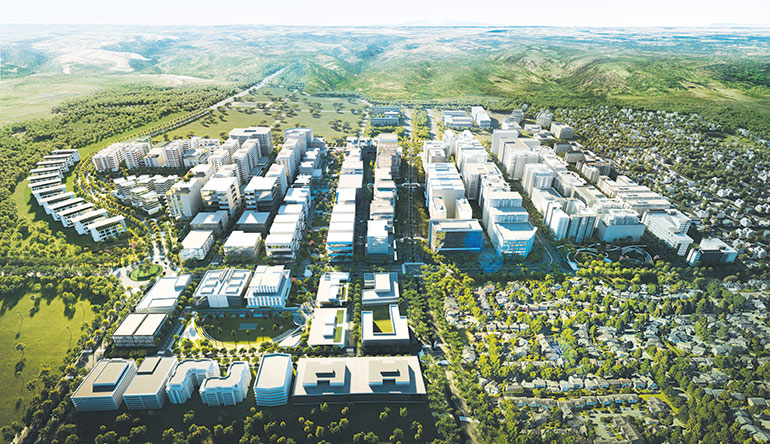
“I believe that master-planned communities are a very attractive real estate investment, primarily because employers would want to be able to provide the best environment for their employees. It’s just a matter of time before companies become confident again in investing in new office buildings, and we will see the same growth in real estate in the office sector as in previous years.”

The makings of an emerging city

Moving past the pandemic, Mr. Cordero pointed out opportunities in the real estate industry that investors can take advantage of, aside from the expected surge brought about by IT-BPM activities.

The high-end residential segment is expected to ride out the crisis, as such developments provide a safe environment that can support various lifestyles. The industrial segment, meanwhile, is propped up by the boom in e-commerce, increasing the demand for developments near sources of labor. Retail and hospitality segments, however, should expect recovery to take much longer.

“We think that there are various drivers of success in a city that will enable investing in these new wave cities a worthwhile endeavor,” he said.

“We need to look out for these cities that have a lot of investment activities being poured in, cities that put a premium on social inclusion and urban well-being, health equality, cultural and environmental diversity. We need to look at cities with environmental and climate resilience. Cities should have proactive and coordinated prevention, adaption, mitigation strategies to address climate change to safeguard investments,” he added.

Cities with competitive advantages that increase their capacity to generate talent, knowledge, and innovation, meanwhile, are cities that will attract not only co-minded investors but aspiring residents and locators, making it a self-sustaining development. He encouraged investors to look for such developments outside Metro Manila as they would provide a more stable investment than the currently-volatile equity market.

“Investing in real estate during this pandemic also entails a social responsibility as it helps in accelerating economic recovery and growth. Right now, we need to grab the opportunity while interest rates are still very attractive and we need to take advantage of the massive fiscal stimulus that the government is also offering. Take advantage of that and we can do our share in helping the economy regrow in no time,” he said.

Alveo Land, the country’s leading innovative real estate developer, offers a vibrant portfolio of groundbreaking property developments that provides upscale living and working spaces within various thriving and emerging growth centers around the country. Outside the National Capital Region, it has noteworthy projects located in Cagayan de Oro, Cavite, Cebu City, Davao City, Laguna, and Pampanga. For more details, visit www.alveoland.com.ph.


50-MW BulacanSol power plant: Powering the good life through sustainable energy

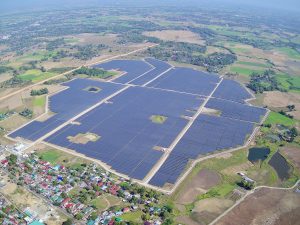
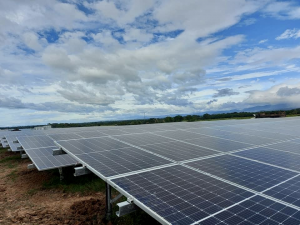
MERALCO PowerGen Corp. (MGen) is taking serious strides on the renewable energy front with the start of commercial operations of its first solar power plant.

Now called BulacanSol, the newly completed power station now provides clean and renewable power to the Luzon grid.

Located in San Miguel, Bulacan, the P4.25-billion project is a joint undertaking of MGen Renewable Energy, Inc. (MGreen), which owns 60% of the project; and PowerSource Energy Holdings Corp., with 40%.

BulacanSol last February reached 1.5 million safe man-hours without lost time incident, reflecting the commitment to safety and security in all its activities.

This was achieved notwithstanding hurdles encountered including delays brought about by the COVID-19 pandemic and a string of weather disturbances that limited movements at the power plant site.

“We share this achievement with our employees, engineers, contractors, and partners in the government and private sector who worked together to bring this project into reality. With their perseverance, determination and hard work, we are finally going to see the light,” said PowerSource Chairman Aloysius B. Colayco.

“Not even the COVID-19 pandemic and lockdowns we experienced during the construction period hindered us from completing this renewable project. We are confident that this solar plant will help the much needed power requirements of our country especially during these challenging times,” said Ricardo G. Lazatin, PowerSource president & CEO, said.

MGen President & CEO Rogelio L. Singson acknowledged the very strong support BulacanSol received from national government agencies including the Department of Energy, Energy Regulatory Commission, and the Department of Public Works and Highways; as well as from the local government unit of San Miguel.

BulacanSol signifies the commitment of MGen to help ensure energy security through clean, cost-competitive, and sustainable power.

“We pledge to continue building more environmentally conscious projects as part of our commitment to a sustainable energy transition for the future generations,” said Mr. Singson.

“As the first operational project of MGreen, BulacanSol is a very important milestone that drives us to aggressively pursue more projects that will help us achieve our target of building a renewable energy portfolio with a capacity of up to 1,500MW in the next five to seven years,” he added.

BulacanSol now plays a significant role in One MERALCO Group’s long-term sustainability agenda.

“This is a modest step into renewables but a significant one for MERALCO. We look forward to many more investments in renewables, particularly solar, as we attempt to achieve that balance in fuel sourcing, which will ultimately be biased towards renewables,” MERALCO Chairman Manuel V Pangilinan said.

“In June 2019, MERALCO made the first announcement that it would join the shift to renewable energy and it will adopt sustainable practices for the One MERALCO Group. And today, we realize the very first renewable power plant — the first of several that One MERALCO has lined up for investment and sourcing,” added MERALCO President & CEO Atty. Ray C. Espinosa.