Home Blog Page 5396

Bay Area’s Brian Goorjian savors the PBA experience

PBA IMAGE

BAY Area may have fallen short from winning it all in the PBA but it’s still a mission accomplished for the Dragons, development and growth-wise, in their first journey abroad.

Playing in an atmosphere they have never been into, the Hong Kong-based Dragons said the historic PBA experience would only make them a better and stronger squad moving forward — especially in the coming East Asia Super League.

“We have a younger group which has never experienced anything like this,” said mentor Brian Goorjian as Bay Area bowed to champion Barangay Ginebra, 114-99, in the winner-take-all Game 7 of the Commissioner’s Cup finals before a record-shattering crowd of 54,589 fans at the Philippine Arena in Bocaue, Bulacan.

“These guys have never experienced a team like Ginebra. They played against good teams but Ginebra is different. There’s the physicality, there’s the toughness, there’s the emotion that they’ve never experienced before and they’re gonna grow from this. They’re gonna become better players.”

Behind a formidable squad of Kobey Lam, Glen Yang, Hayden Blankley, Zhu Songwei and Lui Chuanxing with Andrew Nicholson and Myles Powell as alternating imports, the Dragons introduced itself to the entire basketball-ingrained Philippine archipelago in style.

In return, the passionate Filipino fans welcomed it with open arms and the country is set to gain lessons of its own courtesy of the unwavering fight and world-class play displayed by the first PBA guest team this millennium.

Mr. Goorjian, 69, said it’s the fruit of competitive, quality and diverse international basketball exchange that would only benefit all stakeholders here and abroad — including the visiting Bay Area, the PBA, its teams and even Gilas Pilipinas — for a continuous growth in Asian basketball.

“I keep saying that this was the clincher. The whole reason why I left Australia is I believe in this, that you need international competition,” said the concurrent Australian national team head coach, who’s also a former six-time champion and Coach of the Year in the NBL.

“The Philippines needs it, this whole region needs it. For Gilas, for these teams, players are gonna be better, our players are gonna be better, and the region will become better by playing against teams like this.”

And as the Dragons leave the pit with wounds to lick and heal, Mr. Goorjian and his crew will forever cherish an unforgettable experience from the PBA and the incomparable Pinoy fans.

“I haven’t seen anything or been a part of anything like it. It’s just an incredible experience. It’s something I’ll never forget. I would’ve loved to put on a better game for the crowd, but it is what it is. We’ll lick our wounds and fight back, but the experience is incredible,” he beamed. — John Bryan Ulanday

NY Giants upset Vikings in Daniel Jones’ strong playoff debut

DANIEL Jones accounted for 379 total yards in his first NFL playoff start and the sixth-seeded New York Giants pulled off a 31-24 wild-card upset of the third-seeded Minnesota Vikings on Sunday in Minneapolis.

Mr. Jones threw for 301 yards on 24-of-35 passing with two touchdowns while adding 78 yards on 17 rushes. That made him the first quarterback in playoff history to throw for more than 300 yards and two scores while adding more than 70 yards on the ground.

Saquon Barkley snapped a 24-24 tie on a 2-yard touchdown run with 7:47 left, carrying 325-pound defensive end and former teammate Dalvin Tomlinson into the end zone. Mr. Barkley rushed for 53 yards and a pair of scores while adding another 56 yards receiving.

Minnesota’s last possession ended with 1:44 left when tight end T.J. Hockenson was stopped 5 yards shy of first down by Xavier McKinney on a fourth-and-eight reception.

Kirk Cousins hit 31 of 39 passes for 273 yards and two scores, but it wasn’t enough to move the Vikings into the NFC semifinals.

New York visits top-seeded Philadelphia next weekend. The Eagles won both games in the season series, including last weekend to clinch a bye week.

Minnesota initiated scoring on the game’s first possession, eating more than 6 1/2 minutes of clock on a 75-yard drive that Mr. Cousins ended with a 1-yard sneak. New York countered with Mr. Barkley’s 28-yard touchdown run at the 5:11 mark.

The Giants made it 14-7 with 1:03 remaining in the first quarter when Mr. Jones zipped a 14-yard scoring strike to Isaiah Hodgins. At that point, New York had the ball for nine plays and gained a whopping 156 yards, totaling seven first downs.

The Giants’ next possession lasted 20 plays and 85 yards, chewing up nearly 11 minutes, before Graham Gano converted a 25-yard field goal with 3:25 left. The Vikings rallied within 17-14 at halftime when Mr. Cousins hit K.J. Osborn with a 9-yard touchdown pass 45 seconds before the break.

New York went up 24-14 on Mr. Jones’ 9-yard touchdown pass to Daniel Bellinger early in the third quarter. The Vikings responded with Irv Smith Jr.’s 3-yard TD reception, and Greg Joseph made a game-tying 38-yard field goal early in the fourth. — Reuters

Bills edge Dolphins

JOSH Allen threw three touchdown passes and the Buffalo defense stood firm in the fourth quarter as the Bills defeated the visiting Miami Dolphins 34-31 in an AFC wild-card game Sunday in Orchard Park, NY.

The second-seeded Bills forced the Dolphins into a fourth-and-1 near midfield late in the game. Miami took too long getting to the line of scrimmage to snap the ball, causing a delay-of-game penalty, and Skylar Thompson threw incomplete on fourth-and-6.

The seventh-seeded Dolphins were out of timeouts. Buffalo running back Devin Singletary reached the line to gain on third-and-7 to ensure the result.

Buffalo eliminated Miami and will host a divisional-round game next weekend as its players and fans continue to be inspired by Damar Hamlin. The Bills’ safety watched Sunday’s game from home as he continues to recover from a cardiac arrest he suffered on the field against Cincinnati on Jan. 2. Reuters

ECHO to defend its mobile legend tilte on Philippine soil — Tolentino

NEWLY crowned mobile legends world champion ECHO will get to defend its title on Philippine soil.

Philippine Olympic Committee President Abraham Tolentino yesterday day broke the good news after successfully snaring the hosting rights to the M5 World Championships in the country in December this year.

“It was awarded to us yesterday (Sunday),” said the PhilCycling head a day after ECHO dethroned M3 world titlist and another Philippine squad Blacklist International with magnificent finals win in Jakarta, Indonesia.

The mayor from Tagaytay said the hosting could make the country a world esports hub.

“We want to be a center for esports and we’re capable of hosting big events,” said Mr. Tolentino. “This is a big event.”

The country had won the last three of the four world championships of the Mobile legend -series with Bren Esports reigning supreme in M2, Blacklist International in M3 and recently ECHO.

And there is a chance the country could produce another right before the hometown crowd. — Joey Villar

Time

DANIELE FRANCHI-UNSPLASH

There are 66 months to go for the Marcos Jr. administration; 58 months to go for the Xi administration, now on its third five-year term. There are 24 months to go for the Biden administration. Sixty-six months to go to complete Horizon 3 and the backlog of Horizons 1 and 2 of the Armed Forces of the Philippines’ (AFP) modernization. Fifty-six months to go for the centenary of the People’s Liberation Army (PLA). What lies in store for the Philippines within that period of time in terms of human and ecological security, the economy, defense, and diplomacy?

The world is currently transitioning from low intensity conflicts to hybrid wars among the great powers. We’re entering a vortex of epic proportions, bookended by a largely anticipated global recession and a rapidly deteriorating security environment. Despite the warning signals, we still have insufficient safety nets and protective measures to mitigate the risk of collateral damage. And there’s no excuse. After all, we’ve had all the time in the world to do so when the US defense shield was removed in 1991 after its bases in the Philippines were shut down.

In 2022, we saw war risk rising around the world. Russia’s invasion of Ukraine drew the indirect involvement of US-led NATO in terms of intelligence, arms, and training support. Russia’s allies are Belorussia, Iran, North Korea, and China. Iran is pursuing its nuclear program; backing non-state violent actors in Yemen, Syria, and Lebanon; and applying coercive tactics in the Persian Gulf. North Korea has resumed its belligerent actions around the Korean Peninsula. The nuclear option, should deterrence fail, is on the table.

China is tightening the screws with its anti-access, area denial (A2AD) gray zone tactics. Its presence is now being felt in the South Pacific. Its war machines routinely penetrate Taiwan’s air and sea borders. Swarms of its Maritime Militia, backed by its Coast Guard and Navy, increasingly intrude, intimidate, and snatch sovereign entitlements elsewhere in the region. They play “chicken” in the air and at sea to test America’s strategic resolve and patience.

Between now and 2027, Xi Jinping has set and articulated the following goals:

• Intensify troop training and enhance combat preparedness across the board, strengthen all-around military governance, and consolidate and enhance integrated national strategies and strategic capabilities.

• Innovate the guidance of military strategy, develop strategies and tactics of people’s war, build a strong system of strategic deterrent forces, raise the presence of combat forces in new domains and of new qualities, and deeply promote combat-oriented military training.

Whether one likes him or not, he has transformed the PLA into a modern strategic combat force. Security analysts believe that he’ll forcibly take Taiwan on or before the centennial of the PLA’s founding in 2027. Should that happen, it could simultaneously wrest strategic control of the countries comprising the First Island Chain. With what China has accomplished under Xi’s watch so far, the Chinese Communist Party-People’s Liberation Army (CCP-PLA) clearly possess the mindset, aptitude, and skills set to ensure China’s defense and security. But so do the US, Japan, South Korea, India, Indonesia, Singapore, Vietnam, and Australia to help protect the Indo-Pacific.

The latest US security review sees the People’s Republic of China as harboring the intent and, increasingly, the capacity to reshape the international order and tilt the global playing field to its benefit. The US, on its end, affirms its commitment to “responsibly manage its long-term competition with China” while reaching out to nations who share its core belief that the rules-based order must be the basis for global peace and prosperity. Sadly, while mouthing peace, their war preparations are actually drawing them farther away from it.

Even if, for argument’s sake, both sides don’t want war, they’re actually on a collision course, pushing countries around us to accelerate their defense build-up. They have one thing in common: they have the right mindset, aptitude, and skill sets to act in their national interest. In our case, for far too long, that has been our Achilles heel. There are too many disablers within our corridors of power that sacrifice national security in favor of their selfish interests. Our dismal state of unpreparedness keeps us vulnerable and exposed to the clear and present danger that surrounds us. We’ve squandered so much time already.

In 2013, the China News Service, China’s second largest state-run media outlet, published an article entitled “Six wars China is sure to fight in the next 50 years.” It alluded to China’s pride, shredded after centuries of defeat and embarrassment. China has long been preparing itself for war, preferably without firing a shot. However, its offensive firepower isn’t there for display. At some point, it will be used when necessary to wage:

1. The war to unify Taiwan (2020-2025)

2. The war to recover the various islands of the South China Sea (2025-2030)

3. The war to recover southern Tibet (2035-2040)

4. The war to recover Diaoyutai and the Ryukyus (2040-2045)

5. The war to unify Outer Mongolia (2045-2050)

6. The war to recover the territory seized by Russia (2055-2060)

China is a cunning master of timing, sophisticated cost-benefit analysis, and risk assessment. It strives to win by applying “unrestricted warfare” through superior advantage in diplomatic warfare, proxy warfare, cyberwarfare, currency warfare, trade warfare, psychological warfare, electronic warfare, computer network operations warfare, espionage, etc. It may bide its time or stage swift blows at an adversary’s strategic points of weakness to kill its will to resist. That’s what we need to address to ably defend ourselves and be a reliable allied partner.

There’s so much to do in so short a time. We need to switch to good governance; develop our own A2AD strategies; restructure the armed services to fight a hybrid war; find new ways of funding modernization and sustainment; adopt enabling laws, rules, and regulations that facilitate emergency procurement of essential assets; establish a technology-based defense industry; invest in strategic stockpiles. Time will tell if our entire national leadership finally scrambles to make up for lost time.

The last thing we need is to shamefully get caught, once again, with our pants down.

This article reflects the personal opinion of the author and does not reflect the official stand of the Management Association of the Philippines or MAP.


Rafael “Raffy” M. Alunan III is a former governor of the MAP. He is the chair of the Philippine Council for Foreign Relations, the vice-chair of Pepsi-Cola Products Philippines, Inc., and sits on the boards of other companies as an independent director.

map@map.org.ph

malunan@gmail.com

President Marcos is traveling too frequently

PHILIPPINE STAR/KRIZ JOHN ROSALES

Last Sunday, President Ferdinand Marcos, Jr. flew to Davos, Switzerland to attend the World Economic Forum. That is his 8th trip abroad since he became president on June 30, 2022.

The previous trips were to Indonesia on Sept. 6 for a two-day state visit. He proceeded from there to Singapore on Sept. 9, also for a two-day state visit. His next trip was on Sept. 18 to the United States to speak at the 77th session of the United Nations General Assembly.

Three working visits followed: to Phnom Penh, Cambodia on Oct. 9 to attend the 40th and 41st ASEAN Summits, to Bangkok, Thailand on Nov. 16 to attend the Asia-Pacific Economic Cooperation meetings, and to Brussels Belgium on Nov. 12 to attend the ASEAN-European Union Commemorative Summit.

There was one trip that was not announced. He flew to Singapore on Oct. 1.

He started 2023 with another trip, to Beijing, on Jan. 3-5.

In the first seven months of his presidency, Mr. Bongbong Marcos had already made eight foreign trips. People find them too frequent within a short period of time, in the very beginning of his term at that. The Oct. 1 trip was totally unnecessary, his speaking at the UN General Assembly could have been scheduled at a later year in his presidency. Serious domestic problems call for his staying home.

But according to the Department of Trade and Industry’s year-end report, the President’s trips to Indonesia, Singapore, the United States, Cambodia, and Thailand were productive. They brought in $23.6 billion of investment pledges. Included in the report are the recent government export registered and generated investment leads. The Board of Investments and the Philippine Economic Zone Authority had a combined approved investment of P402 billion.

But observers say many of the pledges made during visits of a head of state are customary gestures of courtesy by the host country. The pledges made during President Rodrigo Duterte’s visit to China are cited as examples. Some of the investment pledges made during state visits are existing expansion plans of multinational companies already doing business in the country of the visiting head of state. The plans would be implemented even if the visiting head of state had not come.

The President’s trip to Singapore on Oct. 1 was not announced because it was nothing more than a pleasure trip. It was to watch the 2022 Singapore Grand Prix, an auto racing contest. While it was at the invitation of Singapore Prime Minister Lee Hsien Loong, the President’s leaving the country to watch a sporting event while Filipinos were reeling from record high inflation and the devastation wrought by a violent typhoon the week before was an exposure of his insensitivity to his countrymen’s suffering. His bringing along the First Lady, his son, Congressman Sandro Marcos, and his first cousin, Speaker Martin Romualdez and the use of a military jet to fly them to Singapore was suggestive of imperial overindulgence.

Political pundits say that while the other trips may have been necessary, the inclusion of members of Congress in the entourage was wrong. Speaker Romualdez accompanied the President on five of those trips, Deputy Speaker Gloria Macapagal Arroyo on three of them, and Congressman Sandro on three of them also.

They contend that foreign affairs are the exclusive purview of the Executive branch of government. The Constitution vests executive power on the President. In official discourse of high government officials and in debates in the halls of Congress, the president is generally recognized as the architect of the country’s foreign policy.

When President Rodrigo Duterte began to evince a foreign policy that distanced the Philippines from the United States and leaned towards warmer relations with China, many political pundits urged other top government officials and senators to dissuade him from embracing that policy. In the vin d’honneur he hosted for the diplomatic corps in November 2018, Foreign Affairs Secretary Teodoro Locsin, Jr. referred to President Duterte as “the country’s chief architect of foreign policy.” During a debate in the Senate in January 2020 on a resolution calling for the Senate to assert its role in the country’s termination or withdrawal from a treaty, Senator Francis Tolentino said the other branches of government should not meddle with the powers of the President over the country’s foreign policy. He pointed out that under the Constitution, the Senate’s consent is only needed in ratifying an agreement.

Deputy Speaker Arroyo may have been president of the country. But the Constitution does not include a provision for the position of “president emeritus.” It will be recalled that when she was president, she brought along her two sons, their wives, their children, and the children’s nannies when she made a state visit to China in 2004. Those family holidays at taxpayers’ expense are long over for her.

After she had served as president she chose to remain in government — as representative of the 2nd District of Pampanga. The House of Representatives is her proper place, not a conference room where foreign relations are negotiated.


Oscar P. Lagman, Jr. is a retired corporate executive, business consultant, and management professor. He has been a political activist since the late 1950s.

Ten revenue facts about Top 1,000 corporations

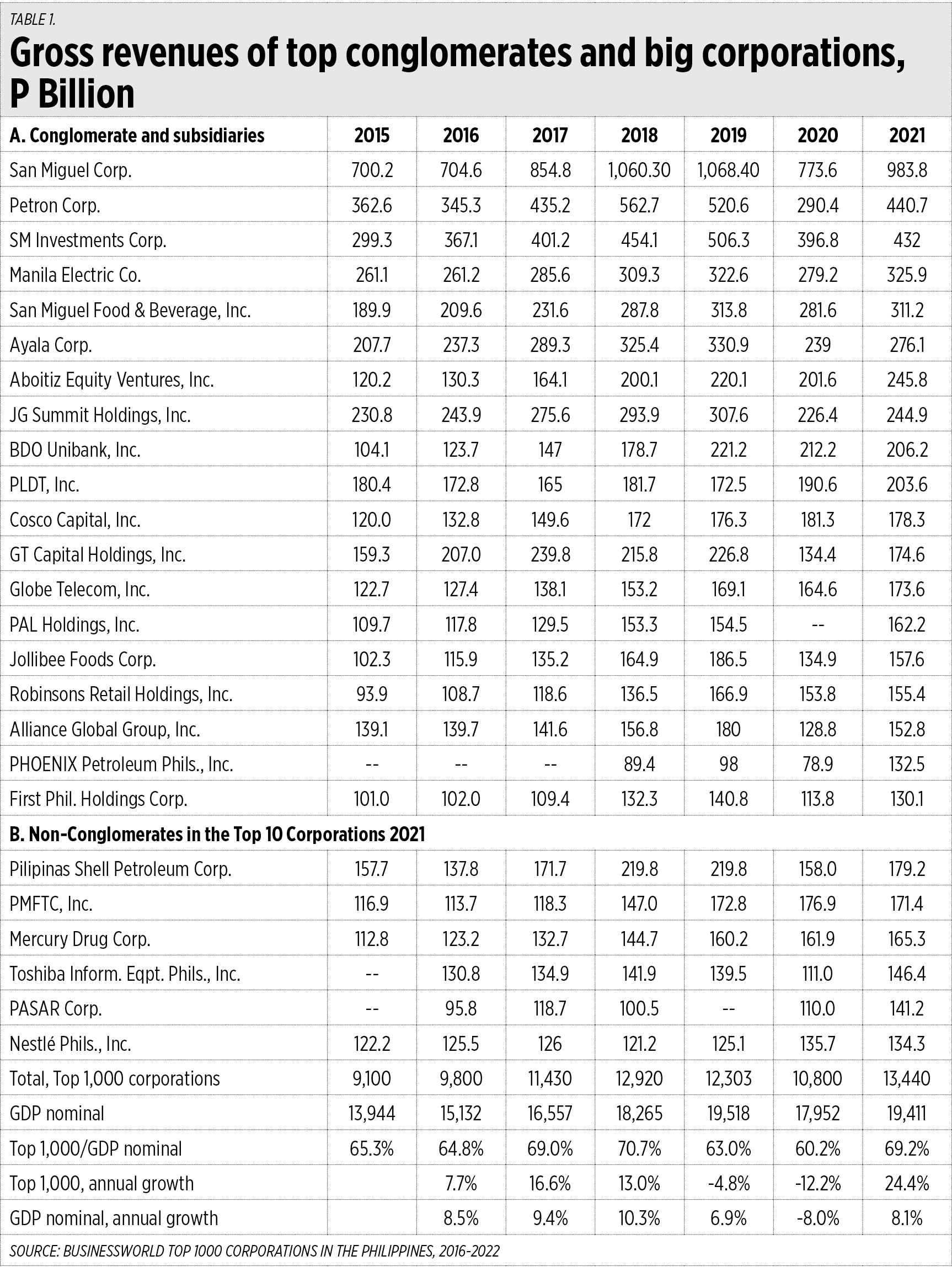
Continuing this column’s “Top 10” series, in this 5th installment I will discuss the recently published BusinessWorld Top 1000 Corporations in the Philippines 2022. For the purpose of brevity, I will limit the data and discussions here to the Top 25 companies: 19 conglomerates and six non-conglomerates but huge firms. I extend the data back to 2015, so 2015-2021 or seven years. Here are some interesting points:

1. In the Top 10 conglomerates, three are from the SMC group. These are the parent company San Miguel Corp. (SMC), Petron, and San Miguel Food and Beverage and their respective subsidiaries. Four, if you include Top Frontier Investment Holdings, Inc. because Ramon S. Ang of SMC is a major investor, along with Iñigo Zobel and others. The gross revenues of Top Frontier and SMC are almost similar through all the years covered.

SMC had gross revenues of P1.06 trillion/year in 2018 and 2019, and after the pandemic drop of 2020, slowly recovered to P0.98 trillion in 2021. SMC Food and Beverage is back at P300+ billion in revenues, and SMC Global Power is back at P140 billion, but Petron is below P500 billion.

2. The Sy family has two conglomerates in the Top 10. These are SM Investments Corp. and BDO Unibank and their subsidiaries. They are the second richest business power in the Philippines after SMC.

3. MPIC also has two conglomerates in the Top 10. The Metro Pacific Investment Corp. (MPIC) has Meralco and PLDT and their subsidiaries. Meralco remains the biggest company in the Philippines in gross revenues, but as a conglomerate it is only No. 4. Meralco alone had P309 billion in revenues in 2019 and P292 billion in 2021.

4. Ten other conglomerates are in the Top 20. Ayala, Aboitiz, and Gokongwei/JG Summit had gross revenues of P245 billion to P276 billion in 2021. They are followed by Lucio Co/Cosco, Ty/GT Capital, Lucio Tan/PAL, Tan Caktiong/Jollibee, Andrew Tan/Alliance Global, Dennis Uy/Phoenix, and Lopez/First Phil. Holdings.

5. Six non-conglomerates have revenues equivalent to those conglomerates ranked Nos. 11-20. These are Pilipinas Shell, Philip Morris Fortune Tobacco Corp. (PMFTC), Mercury Drug, Toshiba Philippines, Nestlé Philippines, and Philippine Associated Smelting and Refining Corp. (PASAR).

6. The Top 1,000 corporations’ revenues comprise perhaps half of the Philippines’ GDP. There are some double-counting in revenues, like Meralco’s gross revenues include the generation charges that it collects from consumers and gives to the generation companies (gencos) and which are reported again as revenue by these gencos. So the Top 1,000 revenues/GDP reached 71% in 2018 (See Table 1). If this double counting is corrected, perhaps 50% of GDP is the appropriate ratio.

7. There was revenue contraction among the Top 1,000 corporations in 2019-2020, but revenue growth in 2021 was much faster than the GDP’s nominal growth in 2021. There was a huge uptick of 24% revenue growth vs only 8% GDP nominal growth.

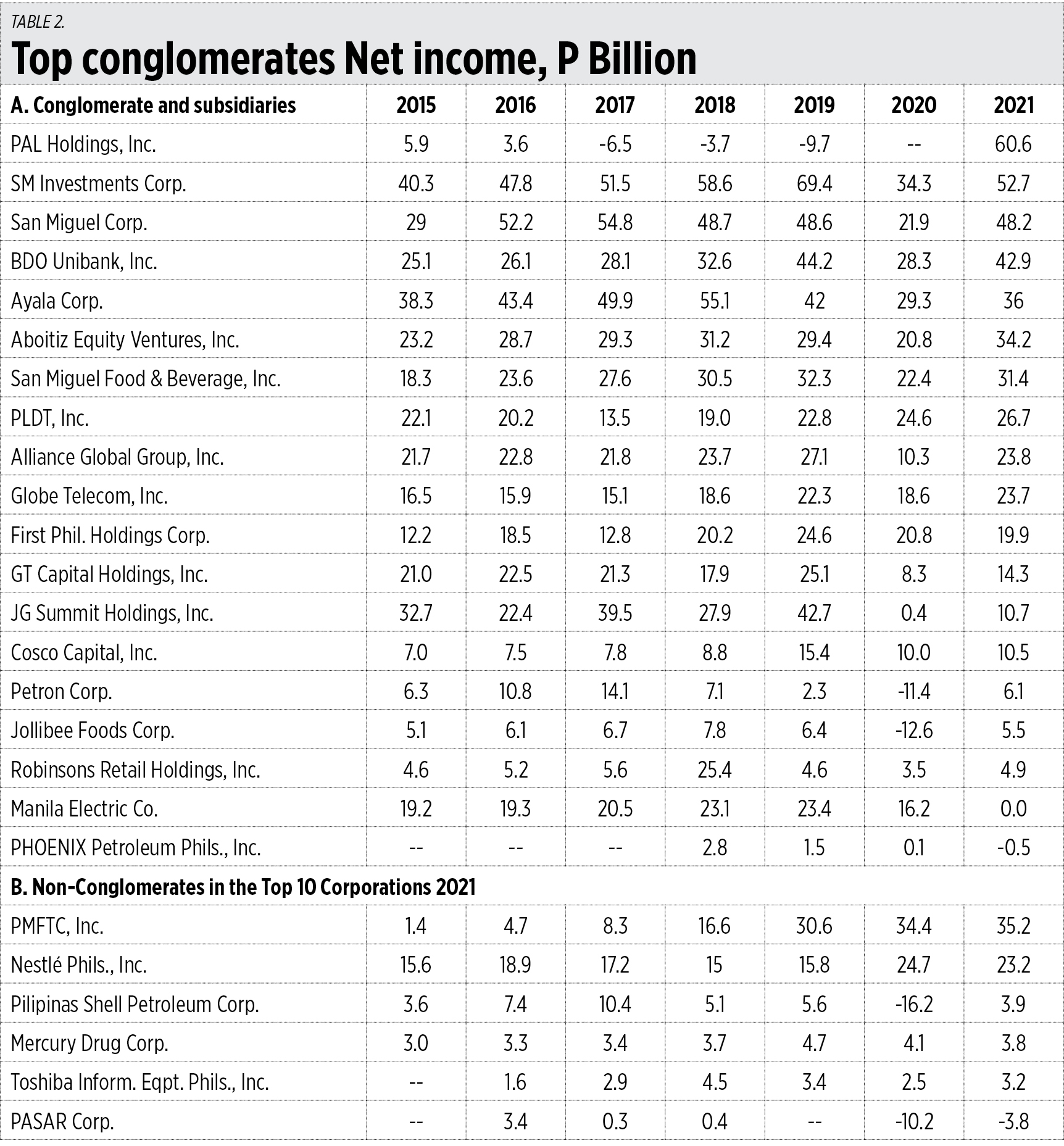
8. In net income, high profit conglomerates in 2021 were PAL, SMIC, SMC, BDO. They have net incomes of P43 billion to P61 billion. These are followed by Ayala, Aboitiz, PLDT, Alliance, and Globe with net incomes of P24 billion to P36 billion.

9. Non-conglomerates with high profits in 2021 were PMFTC and Nestlé Philippines. PASAR was a huge loser in 2020-2021.

10. SMC Global Power’s SMEC and SPPC had net incomes in 2021 of P5.34 billion and P4.5 billion respectively. But SMC said they suffered losses of about P15 billion from its units South Premiere Power Corp. (SPPC) and San Miguel Energy Corp. (SMEC), the administrators of the gas plant in Ilijan, Batangas, and the coal plant in Sual, Pangasinan, respectively.

The good news here is the fast recovery of revenues by the Top 1,000 corporations in 2021. The results of the Top 1,000 revenues in 2022 will be released in November or December this year.

This column projects that full year 2022 real GDP growth is about 7.8%, and nominal GDP growth is about 10%. From this, the projected Top 1,000 revenue growth is about 15% over 2021, or about P15.5 trillion in revenues in 2022.

It is important that the government should continue economic liberalization and mobility liberalization — no more lockdown whatsoever, no more mandatory vaccination and boosters, and save public funds for infrastructure and not on health alarmism.

To get the latest edition of the Top 1000 Corporations in the Philippines, go to https://bworld-x.com/ or contact BusinessWorld’s Circulation department at 8527-7777 locals 2649 or 2650 or e-mail at circ@bworldonline.com.


Bienvenido S. Oplas, Jr. is the president of Bienvenido S. Oplas, Jr. Rese  arch Consultancy Services, and Minimal Government Thinkers.

minimalgovernment@gmail.com

The real score in Philippines-China relations

BW FILE PHOTO

The interest in how President Ferdinand Marcos, Jr. will build on the gains made by his predecessor’s recalibrated approach to China and how to move the relationship forward dominated public conversations and debates before and after the May 2022 national elections. In his first State of the Nation address on July 25, 2022, Marcos Jr. declared that the country will be pursuing an “independent foreign policy” and stated further that, “… the Philippines shall continue to be a friend to all [a]nd an enemy to none” and that “[w]e will be a good neighbor — always looking for ways to collaborate and cooperate with the end goal of mutually beneficial outcomes.”

Analysts of Philippine politics and the territorial and maritime disputes on the South China seas weighed in on the president’s statements. Are these policy pronouncements “enough for now” or are these “wanting in terms of specific policy directions”?

On Jan. 3-5 this year, Marcos Jr. went on a State Visit to China. In his departure statement, he described his visit as “opening a new chapter in our Comprehensive Strategic Cooperation with China.” Upon his return, he announced that he signed with President Xi Jinping “14 government agreements that will broaden and deepen our ties in many vital important areas.” He also mentioned investment plans and trade purchase intentions of various Chinese companies amounting to $22.8 billion and close to $2.1 billion, respectively.

Are these “pledges” enough for now or are these wanting in terms of specific policy directions? When it comes to managing its relations with China, is the Philippine government playing its cards right? Sans the exaggerated “noise” about the “gains” of the previous administration from a recalibrated approach to China, what is really the state of the relationship between the Philippines and China?

The Comprehensive Strategic Cooperation (CSC) was entered into by the Philippines and China through a joint statement on the occasion of President Xi’s two-day state visit to Manila on Nov. 20-21, 2018. Under the CSC, 29 cooperation documents were signed ranging from trade, investment and economic cooperation, infrastructure, agriculture, finance, information and communications technology, education, and culture.

Darlene V. Estrada and Edcel John A. Ibarra (2021), both Foreign Affairs Research Specialists with the Center for International Relations and Strategic Studies of the Foreign Service Institute, described the CSC as an upgraded arrangement from the 2005 Strategic and Cooperative Relationship for Peace and Development (SCRPD). In their paper titled, “Don’t Get the Wrong Impression: Revisiting the Philippines-China Relationship of Comprehensive Strategic Cooperation,” both argued that “the CSC relationship still ranks relatively low among China’s international partnerships” and that “the arrangement is unremarkable compared to China’s other international partnerships.”

Among the countries of the Association of Southeast Asian Nations (ASEAN), both noted that only the Philippines’ relations with China are at the level of cooperation and not a formal (strategic) partnership. China has a Comprehensive Strategic Partnership of Cooperation with Cambodia (2010) and Vietnam (2008), a Comprehensive Strategic Partnership with Indonesia (2013) and Malaysia (2013), a Comprehensive Strategic Cooperative Partnership with Myanmar (2011) and Thailand (2012), a Comprehensive Strategic and Cooperative Partnership with Laos (2009), and an All-Round Cooperative Partnership Progressing with the Times with Singapore (2015) and a Strategic Cooperative Partnership with Brunei (2018).

China has established a vast network of partnerships, resulting in 24 types of partnerships around the globe since the end of the Cold War, and has since put it at the center of its foreign policy strategy. By the end of 2016, China had established partnerships with 78 countries and five regional organizations (Li and Wen, 2019). It is important therefore to consider the nature and scale of China’s partnership network in understanding the implications of the CSC between the Philippines and China.

China’s partnerships can be grouped into three broad categories with a decreasing level of cooperation between each dyadic countries: 1. comprehensive strategic partnership, 2. strategic partnership, and, 3. regular partnership. Li and Wen (2019) documented the main differences among the three categories based on China’s former Premier Wen Jiabao’s explanation in his keynote speech delivered in 2004 when visiting the European Union at Brussels.

“The term ‘comprehensive’ refers to cooperation in the economic, technological, cultural and political fields; the relationship is both bilateral and multilateral, meaning that the dyadic countries in a comprehensive partnership may also work together in dealing with multilateral issues; a comprehensive relationship is multi-layer as well, including both government-to-government cooperation and people-to-people diplomacy. The term ‘strategic’ means that cooperation between the two countries not only has an overall importance to the bilateral relationship but also is stable and long-term, overcoming the differences in ideology and political systems. Finally, the term ‘partnership’ means that the two countries cooperate on the basis of mutual-respect, mutual-trust and equality. Both sides strive to develop a win-win relationship that is mutually beneficial.”

So why is the Philippines placed at a lower bilateral level of relations among its ASEAN neighbors? Estrada and Ibarra noted that Brunei in 2013 signed with China “a strategic cooperative relationship” — the “SCR” in the SCRPD … [b]ut unlike the Philippines, Brunei eventually upgraded its ties with China to a formal partnership in 2018.

While the question may be up for debate, it may be useful to examine such question in the context of China’s foreign policy strategy which is partly based on soft power diplomacy that is pursued for economic, trade and investment cooperation, and promotes China’s greater economic interests and international markets.

Noting that China pursues its partnerships with countries it perceives as strategically more important within a region and economically more important for Chinese trade, Estrada and Ibarra assessed that “insofar as Chinese partnership diplomacy prioritizes regional strategy and market access considerations, China’s lower-level relationship with the Philippines reflects Chinese foreign policy makers’ assessment of the country as a lower-priority target in China’s political and economic strategy in Southeast Asia.”

Cited in their paper was a RAND study that indicated “that as of 2018, the Philippines was one of the countries in Southeast Asia least aligned with China’s foreign policy goals: It was not (yet) a destination of big-ticket projects under the BRI [Belt and Road Initiative], a key partner in China’s diplomacy with ASEAN, or a driver of China’s economic development (in terms of trade, investment, and energy flows). It was also not (yet) a country with a high degree of policy harmonization with China. Overall, the study emphasized that the Philippines had not (yet) been crucial for Chinese foreign policy.”

So, are the President’s policy statements regarding China in his First SONA and the 14 bilateral agreements and pledges from various Chinese companies from the State Visit to China enough for now, or are these wanting in terms of specific policy directions? Or should the question be — Is the Philippine government playing its cards right when dealing with China?


Diana J. Mendoza, PhD is an assistant professor of political science and coordinator of the Ateneo Initiative for Southeast Asian Studies. This opinion piece is based on a paper she presented at the “Symposium on Philippines-China Relations: Opportunities and Challenges” organized by the Ateneo Chinese Studies Program and the Center for Philippine-Studies, Jinan University and held at the Ateneo de Manila Loyola Heights campus on Dec. 12, 2022.

Japan CEOs now more vocal about merit-based pay

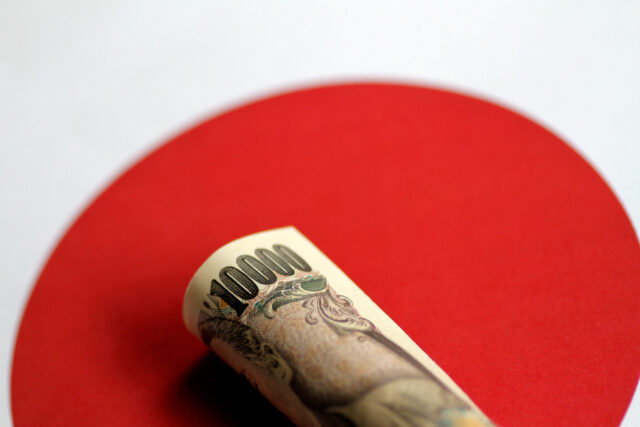
A Japan Yen note is seen in this illustration photo taken June 1, 2017. — REUTERS

AS BUSINESS LEADERS in Japan face greater pressure to raise wages in an inflationary environment, they’re becoming more vocal about the need to pay employees based on merit.

“It’s not necessarily good for people to feel like they’re being compensated because of inflation,” Takahito Tokita, chief executive officer of Fujitsu Ltd., said in a recent interview. “It’s better if we do it because the business is healthy. What we want to do is reward each and every employee who contributes to the growth of our company.”

On one hand, such talk can be seen as a sign of corporate Japan casting aside the remains of a compensation system based on across-the-board rewards and seniority. On the other, it also reflects a degree of hesitancy to raise salaries in knee-jerk reaction to inflation. That’s making it unclear whether rising consumer prices will lead to higher wages.

Even so, Japan is showing signs of emerging from decades of deflation and loose monetary policy. Consumer prices are on the rise, with Tokyo inflation at a 40-year high of 4%. Manufacturers are bracing for tough negotiations with unions during annual spring wage talks. A tight labor market is forcing businesses to raise salaries to attract and retain talent.

Fast Retailing Co., operator of Uniqlo and other fast-fashion brands, announced last week that it will raise annual pay for full-time employees by as much as 40%, joining domestic businesses such as Nippon Life Insurance Co. and Suntory Holdings Ltd. in boosting salaries. The retailer’s wage hike covers workers at its headquarters as well as in stores, and includes new hires. 

Beyond the dramatic headline figure, Fast Retailing made it clear that compensation would be based on “factors such as work performance and results, ability to contribute to the business, ambition and growth.”

“The point of the change is to encourage employees to do the quality work that meets global standards,” Takeshi Okazaki, Fast Retailing’s chief financial officer, said in a briefing. “If you want to ask for a world-class level of work, then you should give a world-class reward.”

The pay hikes also reflect the fact that wages in Japan remain the lowest among Group of Seven nations. Average annual compensation in the country was $39,700 in 2021, according to the Organization for Economic Cooperation and Development. The average among OECD countries was $51,600, while the US had the highest level of $74,700.

Japanese companies are finding themselves caught between a persistent deflationary mindset among consumers — making it harder for them to raise prices for goods and services — and broader inflation and rising energy prices that are fueling demands for them to raise salaries, according to Travis Lundy, Pan-Asia analyst at Quiddity Advisors who publishes on Smartkarma. 

“Pay your workers more, and they’ll go buy more products” was former Prime Minister Yoshihide Suga’s public pet peeve, Mr. Lundy said. “But that didn’t really happen.”

Triggering the wage-price cycle of rising salaries feeding into higher prices, and vice versa, has arguably been Haruhiko Kuroda’s most elusive goal as Bank of Japan governor and architect of a decade-long experiment in ultra-loose monetary policy. Some of the speculation around a shift in inflation and wage expectations is linked to a planned transition to a new central bank chief in the coming months.

Indeed, real wages in Japan fell 3.8% in November, the most since 2014, according to the latest figures released by Japan’s labor ministry earlier this month. Real cash earnings, which reflects income adjusted for inflation, show that businesses aren’t keeping up with recent inflationary trends.

The Japanese Trade Union Confederation, the collective bargaining group known more colloquially as Rengo, has embraced “casting off a deflationary mindset” as one of its core tenets in upcoming wage negotiations. The group has made it clear that it is expecting wages to be increased by 5%, and at least 3% in terms of base pay.

As Japan’s economy grew at a torrid pace in the 1960s and 1970s, Rengo was able to extract concessions from employers by scheduling an annual strike in the spring and banding together with other unions to negotiate beforehand. Now, with declining membership and a shrinking manufacturing base, it remains to be seen whether Rengo or any other union can deliver across-the-board wage hikes that will fuel broader compensation gains, or even inflation.

“I’m not so sure that Japanese consumers are ready to be in consumption mode again,” Mr. Lundy said. “This is just corporate Japan coming up the curve of merit-based pay.”  Reuters

In China, no easy way to get Pfizer’s COVID drug Paxlovid

WIKIMEDIA COMMONS
WIKIMEDIA COMMONS

BEIJING — When Li’s 83-year-old father with diabetes started coughing and complaining of body aches last month, the Beijing resident became anxious about finding a treatment for COVID-19 in case his parent had caught the virus sweeping the city.

He heard at that time that Pfizer’s PFE.N anti-viral drug Paxlovid was an effective treatment, but patients could only get it prescribed if they were admitted to hospital, and only if the drug was in stock.

The first hospital they visited conducted a CT scan that showed his lungs were infected, but turned them away, saying no beds were available, said Mr. Li, who only gave his surname due to sensitivity over how authorities might view his account.

After two more days of frantic calls to families and friends, a contact finally found them a space at another hospital, but it took a further antigen test and second CT scan before it agreed to prescribe the drug.

With his father admitted to an intensive care unit, Mr. Li was worried that it had taken too long to get effective treatment.

“I’m not sure if Paxlovid can help him. I think it’s because when he got the medicine, he already had the virus for a week,” Mr. Li told Reuters on Jan. 12.

“Now we can do little but pray.”

His father died the same day.

Mr. Li’s experience, local media reports and online posts bear testimony to the difficulties faced obtaining Paxlovid in China through official channels.

Paxlovid — a combination of two anti-viral drugs — is one of the few foreign oral treatments approved by Beijing and a clinical trial has found it to have reduced hospitalizations in high-risk patients by around 90%.

Having been approved in February last year, Paxlovid was scarcely used in China until December when the government started lifting its strict containment policy, and wave of COVID infections began to build.

RAMPING UP SUPPLIES
Chinese authorities have acknowledged that supplies of Paxlovid are still insufficient to meet demand, even as Pfizer CEO Albert Bourla said last week that thousands of courses of the treatment were shipped to the country last year and in the past couple of weeks millions more were shipped.

“Pfizer is actively collaborating with Chinese authorities and all stakeholders to secure an adequate supply of Paxlovid in China. We remain committed to fulfilling the COVID-19 treatment needs of Chinese patients and partnering with the Chinese government,” the company said in a statement.

Racing to defend against a rising death toll, China has also approved Merck & Co’s COVID antiviral drug and is reviewing a treatment developed by Japan’s Shionogi.

Paxlovid is covered by state insurance — albeit temporarily until the end of March — meaning patients in theory would only need to pay 198 yuan ($29), a tenth of its usual price.

But China doesn’t provide data on how many treatment courses are supplied and where it can be purchased, forcing most patients to rely on media reports, word-of-mouth or even importing through unauthorized channels in the grey market.

Those who do manage to find a supplier often end up paying exorbitant prices, as demand has shot up amid a giant wave of COVID-19 infections.

The official Guangzhou Daily reported that patients at the United Family Healthcare hospital in Guangdong were paying 6,000 yuan ($891) for health checks before being allowed to get Paxlovid priced at 2,300 yuan at the hospital. — Reuters

The hospital did not immediately reply to a Reuters’ request for comment.

Health data firm Airfinity estimated in December that China would need 49 million courses of the COVID treatment over the next five months, with over 22 million needed in January alone.

The Pfizer drug can be also purchased for 2,170 yuan with prescription via online platforms, but it typically sells out within seconds.

PAXLOVID GIFT
Several other people described to Reuters how they turned to the grey market to purchase Paxlovid. Some were looking to treat sick relatives, while others wanted it just in case.

Chen Jun, a resident of China’s southern Hainan Province, said he bought Paxlovid from a supplier introduced by a business partner, who said the medicine was coming from Hong Kong.

Mr. Chen paid 20,000 yuan ($2,972) on Jan. 2 for two boxes for his elderly parents, who suffer from cancer, and he said that some people had paid double that price.

“You’ll think it cheap once your family members are in need, because anything is better than going to a hospital now,” he said. “I know people who paid 20,000 yuan for one box of the medicine.”

Another buyer who gave his name as Ray said he managed to get two boxes from the United States, where supplies are still ample and a doctor’s prescription can be obtained after an online consultation.

“It’s very straightforward, they don’t ask questions,” he said. Having made the online purchase, he then asked a friend there to help courier it to China.

An analyst at a Chinese securities house, who requested anonymity because of sensitivities over the subject, said his boss went to Hong Kong to stock up on Paxlovid to gift clients as it was more valued than a popular, expensive liquor.

“It is a better gift than Moutai.” — Reuters

New Zealand’s southern waters experiencing marine heatwave

REUTERS

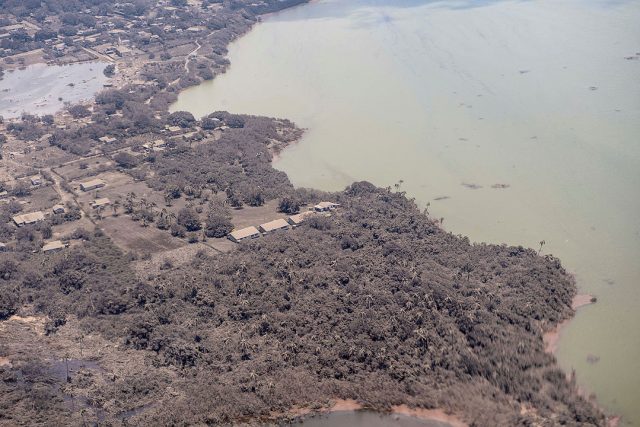
WELLINGTON — Waters around New Zealand’s South Island are as much as 6 degrees Celsius (42.8 degrees Fahrenheit) warmer than normal due to climate change, the weather phenomenon La Nina and a series of high-pressure systems, according to scientists.

Metservice oceanographer Joao de Souza, who is part of the Moana Project, said that waters around the southern South Island were all well above normal for this time of year with temperatures in Fiordland 6 degrees warmer than normal.

The Moana Project said that water temperatures on the West Coast of the South Island are currently 4 degrees above average.

These temperatures are going to have significant consequence for an ecosystem that is built or adapted to cold waters, he said. “There are always going to be winners and losers,” he said, with those marine species that can’t shift location likely to be more impacted.

New Zealand saw a number marine heatwaves last year with a previous heatwave in Fiordland resulting in severe bleaching of native sponges. There have also been anecdotes of species more common in warmer waters of New Zealand being spotted further south.

Mr. De Souza said their research showed that it was not just surface water temperatures that were rising but also water as deep as 100 meters, which meant the marine heatwave was impacting species who lived in deeper water. 

The marine heatwave comes as a La Niña weather pattern has caused warmer than normal temperatures in New Zealand’s South Island. This along with high pressure systems and climate change were factors in the heatwave, said de Souza.

He added that they expected marine temperatures to remain above normal until at least April. — Reuters

[B-SIDE Podcast] More red flags raised by the Maharlika Investment Fund

Follow us on Spotify BusinessWorld B-Side

The current version of House Bill (HB) No. 6608, or the bill seeking to establish the Maharlika Investment Fund (MIF), still raises red flags, says Enrico P. Villanueva, a chief risk consultant and a senior lecturer of economics at the University of the Philippines Los Baños. 

In this B-Side episode, he tells BusinessWorld reporter Keisha B. Ta-asan that the MIF will weaken the Bangko Sentral ng Pilipinas (BSP) and other government banks.  

“BSP is not supposed to dabble in private enterprises … BSP cannot invest in development financing,” Mr. Villanueva says, adding that the MIF resurrects the ghost of what happened to the previous Central Bank, which had to be dissolved after being bankrupted. “Haven’t we learned from the experience?” 

TAKEAWAYS 

The goal of the Maharlika Investment Fund remains unclear. 

Although the bill establishing the MIF was approved last month on the third and final reading at the House of Representatives, the initiatives to be funded by the fund remain unclear.  

“Is it better financial returns? Is it for development? If it’s for development, we have alternative ways to finance development projects. We don’t know what is really the goal, and that is quite a flag for me as a risk manager,” Mr. Villanueva said, adding that it should be thoroughly scrutinized since it involves the use of public funds. 

 The MIF will weaken government banks.  

To recall, the initial version of the bill included the Government Service Insurance System (GSIS) and Social Security System (SSS) among government banks and corporations that would contribute money to raise the P275 billion venture capital for the fund.  

But following criticism and public pressure, proponents took out the pension funds. The MIF will now be funded by resources from the Landbank of the Philippines, the Development Bank of the Philippines, and the dividends/profits of the Bangko Sentral ng Pilipinas (BSP).  

According to Mr. Villanueva, if government banks are forced to contribute to the fund and shoulder at least P50 billion from their capital, their capital adequacy risk ratio might drop below the prudential ratio.   

“DBP will fall below 10% and the capital adequacy ratio would be the single most important indicator of bank strength. So, if you have a bank which will go below that, it would be dangerous,” Mr. Villanueva said.   

“Here, we are subjecting this forced contribution from the government banks and in the process, we’re making them weaker. We should make these banks stronger, not weaker,” he added.   

He also noted that the money extracted from government banks could instead be used to fund projects related to agriculture, rural development, and small and medium enterprises. 

“[These are] proven models for development financing, and yet you’re taking away money from these proven modes of development financing into an unproven Maharlika Investment Fund,” Mr. Villanueva said.   

“We don’t even know if it would actually pursue development the way it said it would be. So that’s a big question mark,” he added.   

Tinkering with the BSP brings back bad memories. 

Mr. Villanueva recounted that when former President Ferdinand E. Marcos, Sr., left the country in 1986, the old central bank was bankrupt and loaded with debt.  

When the old central bank was replaced with the BSP, restrictions were instituted in its charter to strengthen its independence. 

“BSP is not supposed to dabble in private enterprises … BSP cannot invest in development financing. That’s how we kind of learn from the old central bank experience,” Mr. Villanueva said.  

“That’s why, when there was this talk about getting the reserves or asking the BSP to contribute, that’s a red flag again because that’s a violation in the charter,” he said.  

“Haven’t we learned from the experience? This is not just cited by local journalists and researchers. Even abroad, this is recognized. That the central bank was bankrupted and it was doing things beyond its monetary mandate,” he added.   

While the current version of the bill promises not to touch the country’s dollar reserves, it still raises red flags, he said.  

Mr. Villanueva recommends additional safeguards such as revamping management to make it more transparent and ensuring that corporate watchdogs are able to carry out their mandate.    


Recorded remotely in December 2022. Produced by Joseph Emmanuel L. Garcia and Sam L. Marcelo.