Home Blog Page 1398

Taal Vista Hotel expands its sustainability efforts with new ‘Plate for the Planet’ dish

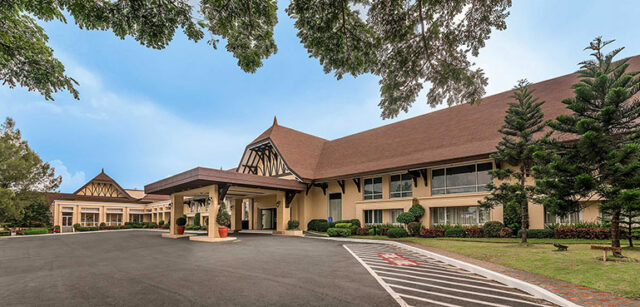
Taal Vista Hotel: A cultural landmark in the heart of Tagaytay

As part of its ongoing commitment to sustainability, Taal Vista Hotel continues to enhance its eco-friendly initiatives with thoughtful programs designed to reduce its environmental footprint while maintaining exceptional guest experiences. This year, the hotel proudly introduces its latest “Plate for the Planet” dish, Malunggay Pancit Verde — a flavorful and nutrient-rich take on a Filipino classic merienda, made with locally sourced ingredients that support both the environment and the community.

Sustainable Dining: The Heart of Plate for the Planet

Malunggay Pancit Verde: Rice noodles tossed in malunggay pesto topped with seafood and smoked fish

With sustainability at its core, Taal Vista Hotel has embraced garden-to-table principles, sourcing local and seasonal ingredients to minimize food miles and support nearby farmers. The latest addition to its ‘Plate for the Planet’ initiative, the Malunggay Pancit Verde, embodies this vision. Infused with the goodness of malunggay — a powerhouse of nutrients — the dish not only provides a wholesome and delicious meal but also highlights the hotel’s dedication to sustainable food choices.

This eco-friendly menu addition is part of a broader initiative that includes:

  • Locally Sourced Ingredients: Supporting small-scale farmers and reducing carbon emissions from transportation.
  • Waste Reduction: Encouraging mindful dining through portion control and food waste management.
  • Eco-Conscious Operations: Utilizing the ORCA biodigester, which converts food waste into a liquid safely discharged into the sewer system, preventing landfill waste.
Taal Vista Hotel Organic Vegetable Garden

Beyond the Plate: Hotel-Wide Sustainability Initiatives

Taal Vista Hotel’s commitment to sustainability extends beyond the kitchen. The hotel has implemented energy-saving measures, including transitioning to inverter air-conditioning units and LED lighting, reducing energy consumption across all 262 guest rooms. Additionally, it actively conserves water through rainwater harvesting and the use of water-efficient fixtures.

ORCA Rapid Composter: A groundbreaking microbial process to convert food waste into a safe liquid which is then seamlessly discharged into the sewer system

To further minimize plastic waste, the hotel has replaced single-use toiletries with dispenser systems, generating an annual savings of P823,000, and eliminated plastic water bottles in favor of refillable glass pitchers, saving P640,000 yearly.

A Commitment to a Greener Future

Taal Vista Hotel has been actively working towards reducing its carbon footprint, with a strong focus on energy efficiency, water conservation, waste reduction, and responsible sourcing. In 2024, the hotel recorded 5,021 tons of greenhouse gas (GHG) emissions and has set an ambitious yet strategic goal of reducing this by 10% in 2025. This initiative aligns with SM Hotels and Conventions Corp. (SMHCC)’s sustainability objectives, ensuring that every step toward eco-conscious operations is taken with careful consideration of both environmental impact and guest experience.

“Our approach to sustainability is not just about making changes — it’s about making a difference,” said Ramon Makilan, General Manager of Taal Vista Hotel. “By gradually upgrading our equipment and operations, we are able to introduce impactful programs while keeping the warmth and hospitality our guests love.”

Inviting Guests to Be Part of the Change

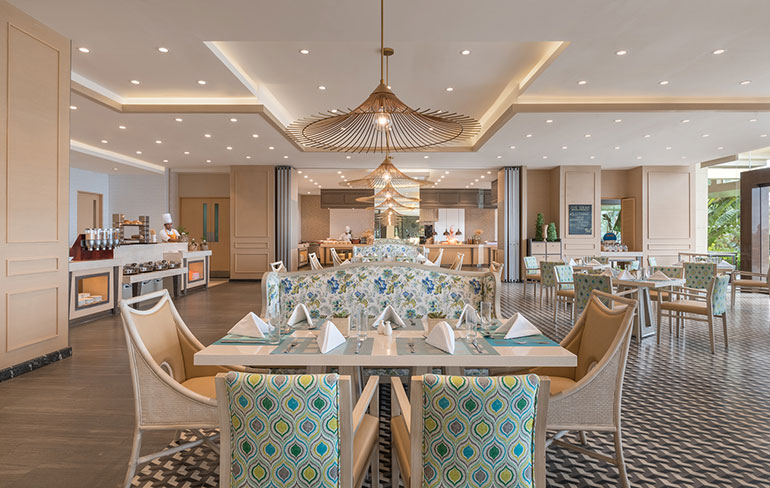
Veranda Restaurant is National Ecolabelling Programme Green Choice Philippines (NELP-GCP)-certified, with 33% of its à la carte menu locally sourced.

Taal Vista Hotel believes that sustainability is a shared responsibility. Guests are encouraged to join the movement by embracing eco-friendly practices, such as using their own tumblers, participating in the towel and linen reuse program, and practicing mindful dining by taking only what they can consume at the buffet.

As Taal Vista Hotel continues to innovate in its sustainability journey, initiatives like ‘Plate for the Planet’ and its new Malunggay Pancit Verde serve as a reminder that small, intentional choices can create a lasting impact — for both the planet and future generations.

For more information on Taal Vista Hotel’s sustainability efforts and dining offerings, visit https://www.taalvistahotel.com/sustainability-program/ or follow @taalvistahotel on social media.


Spotlight is BusinessWorld’s sponsored section that allows advertisers to amplify their brand and connect with BusinessWorld’s audience by publishing their stories on the BusinessWorld Web site. For more information, send an email to online@bworldonline.com.

Join us on Viber at https://bit.ly/3hv6bLA to get more updates and subscribe to BusinessWorld’s titles and get exclusive content through www.bworld-x.com.

Jobless rate drops to 2-month low

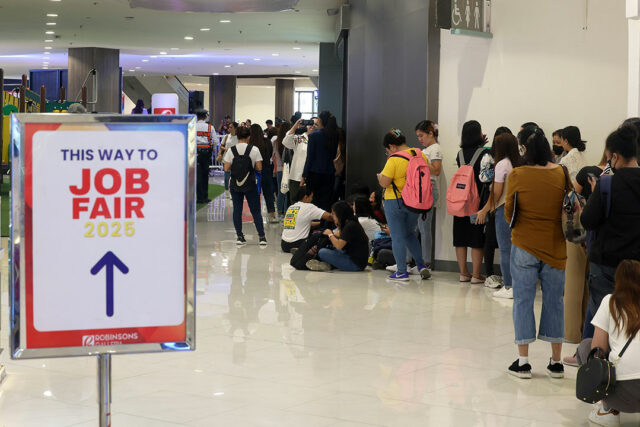
Women line up to submit applications at a job fair in Robinsons Galleria, Quezon City, March 21, 2025. — PHILIPPINE STAR/MIGUEL DE GUZMAN

By Chloe Mari A. Hufana, Reporter

THE JOBLESS RATE slipped to a two-month low in February, as more Filipinos joined the labor force ahead of the summer season and midterm elections, the statistics agency said on Tuesday.

At the same time, the underemployment rate — an indicator of job quality — fell to a nine-month low of 10.1%.

Preliminary data from the Philippine Statistics Authority’s (PSA) Labor Force Survey (LFS) showed the jobless rate stood at 3.8%, easing from 4.3% in January.

Philippine Labor Force Situation

Year on year, this was slightly higher than 3.5% a year ago.

This translated to 1.94 million jobless Filipinos in the second month of the year, lower than the 2.16 million seen in January 2025. Year on year, it was higher than the 1.8 million unemployed Filipinos seen in February 2024.

For the first two months of 2025, the jobless rate averaged 4%, same as a year ago.

“In February we’re already picking up an increase in employment, mainly due to political organizations hiring people, which is around 41,000. Most probably, this will continue until May, and that, in a way, creates seasonality,” PSA Undersecretary and National Statistician Claire Dennis S. Mapa told a news briefing in mixed English and Filipino.

In February, the employment rate rose to 96.2%, equivalent to 49.15 million, from 95.7% in January which translated to 48.49 million employed Filipinos.

Year on year, it was slightly lower than 96.5% in February 2024, which was equivalent to 48.95 million Filipinos with jobs.

Mr. Mapa noted election-related employment is not substantial compared with “core areas” such as the service sector and wholesale and retail trade, particularly food and accommodation.

The campaign period for the May 12 elections began in February.

At the same time, job quality improved in February as the underemployment rate slipped to 10.1% from 12.4% in the same month a year ago and 13.3% in January.

The ranks of underemployed Filipinos — those who want longer work hours or an additional job — fell to 4.96 million from 6.08 million a year ago and 6.47 million in January.

For the two-month period, underemployment averaged 11.7%, falling from 13% a year ago.

“What is substantial here is the visible underemployed, those working less than 40 hours, and those sectors that have seen a significant increase,” Mr. Mapa said.

Underemployment declined in several sectors such as wholesale and retail trade, transportation and storage, other service activities, and manufacturing.

Yearly Job Gains by Industry (February 2025 vs February 2024, in thousands)BIGGER LABOR FORCE
PSA data also showed 51.09 million Filipinos were part of the labor force in February, higher than the 50.65 million in January, and the 50.75 million in the same month last year.

The labor force participation rate (LFPR) — the proportion of the working-age population (15 years old and over) that is part of the total labor force — slipped to 64.5% in February from 64.8% a year ago. Month on month, the LFPR inched up from 63.9% in January.

“Notably, the country’s labor force participation increased by 345,000. The significant decline in participation among youth aged 15-24 reflects a growing trend of young individuals actively pursuing education, highlighting our National Government’s commitment to investing in the future of its youth,” Labor Secretary Bienvenido E. Laguesma told BusinessWorld in a Viber chat.

The youth LFPR slipped to 31.1% in February, down from 33.8% a year earlier and 31.8% in January 2025.

The youth employment rate stood at 89.6% in February, lower than the 91.4% posted a year ago.

In a separate statement, Mr. Laguesma said the February jobs data reflect the government’s “firm commitment as it maintains a positive outlook and encouraging trajectory for our labor market.”

The National Economic and Development Authority (NEDA) said the Philippines’ unemployment rate “remains comparable” to Malaysia (3.1%) and Vietnam (2.2%), and lower than China (5.4%) and India (6.4%).

“We will build on our momentum and intensify our efforts to secure strategic job-generating investments, promote a dynamic and innovative business environment, and diversify growth drivers,” NEDA Secretary Arsenio M. Balisacan said in a statement.

“The continued rollout and implementation of high-impact infrastructure flagship projects, particularly in energy, transport, and digital connectivity, will boost domestic employment and business activity,” he added.

Finance Secretary Ralph G. Recto said the strong labor market can help shield the Philippine economy from a looming trade war and global uncertainties.

“A strong and growing workforce means rising incomes, greater spending power, and sustained job creation. This fuels consumer demand and pushes our economy forward,” Mr. Recto said in a statement.

“We must continue to boost domestic demand, especially in these uncertain times marked by brewing trade wars. A strong and resilient domestic market is our best defense,” he added.

Monthly Job Gains by Industry (February 2025 vs February 2024, in thousands)Federation of Free Workers President Jose Sonny G. Matula said the improvement in the labor market can be attributed to a combination of economic recovery efforts and government programs.

“Post-pandemic recovery momentum has led to increased consumer activity and business reopening, especially in services and hospitality,” he said in a Viber chat.

He also noted the administration’s “Build Better More” infrastructure program continues to generate construction-related jobs, as well as boost mobility and tourism in key provinces.

Government cash-for-work programs and localized employment initiatives may have also contributed to the uptick in employment, Mr. Matula added.

University of the Philippines Diliman School of Labor and Industrial Relations Assistant Professor Benjamin B. Velasco welcomed the improvement in jobs but noted that quality is more important.

“Better employment figures shown in the LFS are welcome. But better quantity of jobs does not imply better quality of jobs,” he said in a Facebook Messenger chat.

By sector, services remained the top employer, accounting for 61.6% of total employed persons in February, followed by agriculture (20.1%) and industry (18.3%).

The accommodation and food service sector had the biggest annual employment gains in February, adding 377,000 jobs. This was followed by fishing and aquaculture (+365,000), public administration and defense (+330,000), construction (+258,000), and other service activities (+232,000).

Mr. Mapa noted there was an increase in employment in the accommodation and food service sector ahead of the summer season.

Month on month, wholesale and retail trade; repair of motor vehicles and motorcycles had the biggest jump in the number of employed persons at 620,000.

Mr. Mapa said the additional 620,000 were mostly employed in nonspecialized stores with food and beverages.

PSA data showed agriculture and forestry lost the most workers year on year, shedding almost 950,000 in February.

This  was followed by administrative and support service activities (-201,000) and transportation and storage (-158,000).

“Whenever there are job losses, whatever the sector, it is a cause for concern,” Mr. Laguesma said.

The labor chief noted that in 2024, the country was hit with several devastating typhoons and weather disturbances that affected agriculture and forestry.

“The country is calamity-prone which mainly contributes to our losses in the agriculture and fishery sectors. Hopefully, we don’t experience the same this year,” Mr. Laguesma said.

Month on month, agriculture and forestry lost the most workers (-520,000), followed by administrative and support service activities (-308,000), and transportation and storage (-176,000).

Mr. Laguesma said the government will continue its initiatives to boost employment, such as the upcoming Labor Day Job Fair.

The department is also bolstering its efforts to empower the youth through the JobStart Program, Special Program for Employment of Students, and Government Internship Program.

“To ensure this thrust, [we are] actively engaged in continuous capacity-building initiatives nationwide to strengthen the implementation of these youth employability programs through our Public Employment Service Offices and program implementers,” he added.

In a note, Chinabank Research said the Philippine labor market is expected to remain stable, but cited risks such as global uncertainties, higher US tariffs and a global slowdown.

“Looking ahead, the service sector will likely remain a key driver of job growth, supported by steady domestic demand. On the other hand, goods-producing sectors, especially those reliant on foreign demand, may face headwinds from higher tariffs from the Philippines’ biggest export market: the US. Nevertheless, opportunities remain through diversification and policy support,” Chinabank Research said.

Meanwhile, Mr. Balisacan said the government is set to launch the Trabaho Para sa Bayan Act Plan 2025-2034.

This includes programs to improve the competitiveness of the Filipino workforce, encourage innovation and promote technology adoption among enterprises, and enhance labor market governance.

For his part, Mr. Matula proposed a shift toward agro-industrialization as a long-term solution, especially in rural areas.

He noted the importance of investing in value-added industries within agriculture and fisheries — such as food processing, logistics, and export development — to generate more stable, higher-paying employment opportunities.

He also highlighted the need for stronger government support for micro, small, and medium enterprises.


PHL dollar reserves slip to $106B at end-March

US dollar banknotes are seen in this photo illustration taken Feb. 12, 2018. — REUTERS

By Luisa Maria Jacinta C. Jocson, Senior Reporter

THE PHILIPPINES’ dollar reserves slipped as of end-March as the National Government  repaid more of its foreign debt, preliminary data from the central bank showed.

Bangko Sentral ng Pilipinas (BSP) data showed gross international reserves (GIR) dipped by 1.1% to $106.2 billion as of end-March from $107.4 billion as of end-February.

Year on year, dollar reserves went up by 2.1% from $104.1 billion.

Ample foreign exchange buffers protect the country from market volatility and ensure that it is capable of paying its debts in the event of an economic downturn.

“The month-on-month decrease in the GIR level reflected mainly the drawdowns by the National Government on its foreign currency deposits with the BSP to meet its external debt obligations and the BSP’s net foreign exchange operations.”

Latest data from the central bank showed the Philippines’ outstanding external debt rose by nearly 10% to $137.63 billion as of end-December 2024 from $125.39 billion a year prior.

This brought the external debt service burden to $17.16 billion in 2024, surging by 15.6% from $14.85 billion in 2023.

Despite the slightly lower GIR in March, the BSP said the reserves still act as a “robust external liquidity buffer.”

The level of dollar reserves as of end-March was enough to cover about 3.7 times the country’s short-term external debt based on residual maturity.

It was also equivalent to 7.3 months’ worth of imports of goods and payments of services and primary income.

BSP data showed foreign investments stood at $88.6 billion as of end-March, down by 1.7% from $90.1 billion in the previous month. Year on year, it inched up by 0.7% from $87.9 billion.

Meanwhile, net international reserves decreased by 1.1% to $106.2 billion as of end-March from $107.4 billion as of end-February. 

Net international reserves refer to the difference between the BSP’s reserve assets (GIR) and reserve liabilities, including short-term foreign debt, and credit and loans from the International Monetary Fund (IMF).

The BSP’s reserve assets also include foreign investments, foreign exchange, reserve position in the IMF and special drawing rights (SDR).

Reserves with the IMF declined by 2.6% month on month to $653 million from $670.2 million. It also fell by 12% from $741.3 million a year ago.

SDRs remained steady at $3.75 billion at end-March, the same as the month prior. SDRs are the amount which the Philippines can tap from the IMF’s reserve currency basket.

On the other hand, the value of the central bank’s gold holdings rose by 5.9% to $12.76 billion from $12 billion at end-February. Year on year, it climbed by 21.2% from $10.5 billion.

Philippine Institute for Development Studies Senior Research Fellow John Paolo R. Rivera said the dip in GIR as of end-March is due to a “combination of valuation adjustments and forex operations.”

“The BSP may have intervened in the FX (foreign exchange) market to smooth out volatility or temper excessive peso depreciation in March. Any dollar selling to stabilize the peso would naturally reduce reserves,” he said.

The peso closed at P57.21 against the greenback at end-March, strengthening by 78.5 centavos from the P57.995 at end-February.

“Hence, we have a pretty stable forex rate hovering around P56-P58 in the past few days,” Mr. Rivera added.

Meanwhile, Rizal Commercial Banking Corp. Chief Economist Michael L. Ricafort said foreign investments declined as markets were anticipating US trade policies.

Markets were in jitters in the weeks leading up to US President Donald J. Trump’s tariff announcement on April 2.

“The continued Trump factor led to some market volatility, especially on the US stock markets and other risky asset classes, though offset by some shift to safe havens such as US Treasuries that led to lower bond yields recently,” Mr. Ricafort said.

Mr. Ricafort also noted that the increase in gold holdings could be due to the flight to safe-haven reserves amid trade volatility.

“Despite the decrease, the GIR level remains very comfortable… and still provides a strong buffer against external shocks,” Mr. Rivera said.

“The dip is not alarming but rather part of routine fluctuations tied to market and debt management operations,” he added.

The BSP is expecting a GIR level of $105 billion for this year.

Metro Manila condo launches fell to lowest level in 5 years — LPC

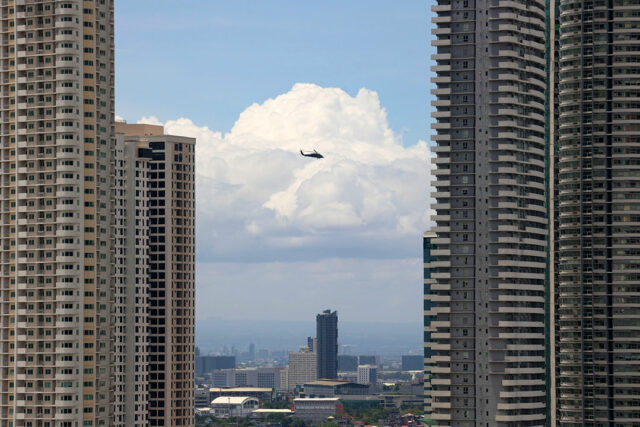
Condominium buildings are seen in the Ortigas business district, April 4, 2025. — PHILIPPINE STAR/MIGUEL DE GUZMAN

NEW CONDOMINIUM launches in Metro Manila slumped to a five-year low in the first quarter, as property developers focus on clearing their existing inventory, according to property consultancy firm Leechiu Property Consultants (LPC).

LPC’s latest Philippine Property Market Report showed new condominium launches in Metro Manila plunged by 77% to 1,347 units in the January-to-March period from 5,928 units in the fourth quarter of 2024.

This was also the lowest number of units launched since the 9,392 units in the first quarter of 2020 when the coronavirus disease 2019 (COVID-19) pandemic began.

In a statement, LPC said developers are “focusing on marketing existing inventory, particularly within the midrange segment, before rolling out new projects.”

Leechiu Director for Research and Consultancy Roy Amado L. Golez, Jr. said the drop in new residential condominium projects reflects developers’ lack of confidence in the market.

“The significant number of supply in the market dictates that developers will slow down their launches. But then at the end of the year, we’ll likely see the same blip upwards in terms of total supply,” he said at a media briefing on Tuesday.

LPC data showed a 14% quarter-on-quarter improvement in sales take-up with 6,500 units sold in the first quarter, amid rate cuts by the central bank. However, this was a far cry from the 13,246 units sold in the first quarter of 2020.

The Bangko Sentral ng Pilipinas (BSP) cut rates by 75 basis points in 2024, bringing the key rate to 5.75%. The BSP has signaled it will continue easing this year.

“We’ve seen a good start for the year for the residential market. But we need to move with caution for now due to very recent developments in the world capital markets. For developers, they will need to be more aggressive with their marketing: their promos and payment terms,” Mr. Golez said.

Mr. Golez said buyers should take advantage of “a short window of opportunity to acquire property at favorable terms while supply is not yet at comfortable levels.”

Metro Manila still has an oversupply of condominiums, mainly in the mid-market to upscale segments and in areas outside central business districts that were affected by the government’s ban on Philippine offshore gaming operators (POGO).

As of end-March, LPC data showed Metro Manila had about 81,400 available condo units, which may take 38 months or about three years to be fully sold.

“Most developers, or practically all, are reluctant to decrease prices. But in effect, what they’re trying to do is offer decreased prices by offering discounts as well as extended payment terms,” Mr. Golez said.

Mr. Golez said he expects developers to limit their project launches for the next six months.

“In the next six months, I think these (launches) will remain low, but as take-up improves, I think they will recover, because now, there are only limited launches,” he told BusinessWorld after the briefing.

Meanwhile, the office market saw a 7% year-on-year increase in demand of 355,000 square meters (sq.m.) despite the absence of POGOs and limited government take-up, LPC said.

“The main difference between this quarter and the first quarter of 2024 is the 56% increase in BPO (business process outsourcing) demand coming from specifically one segment, which are the global in-house centers,” Mikko Baranda, LPC director for commercial leasing, told the briefing.

Global in-house centers are involved in healthcare, banking, financial services, and insurance sectors.

“A lot of these companies, and probably also predicated with what’s happening all over the world, are looking at the Philippines again to offshore and outsource work,” Mr. Baranda said, citing foreign companies like JPMorgan keen on growing their footprint in the country.

In the first quarter, lease transactions involving IT-BPOs reached 185,000 sq.m. of office space, while those for traditional offices reached 94,000 sq.m.

The nationwide office vacancy rate stood at 17% in the first quarter. In Metro Manila, the office vacancy rate stood at 16% — with the highest in Taguig at 24% and the lowest in Bonifacio Global City (10%).

For 2025, office net take-up is expected to jump by an annual 16% to 490,000 sq.m.

“The office market in the Philippines continues to show grit in the face of global and local challenges. The IT-BPM sector remains to be a reliable key driver of growth, while traditional office tenants are also increasingly active. With a promising outlook for the rest of the year, we expect resiliency amidst potential headwinds,” Mr. Baranda said.

LPC said a total of 2 million sq.m. is forecast to be added to the Philippine office supply in the next four years.

Meanwhile, the country’s retail market has already recovered from the pandemic.

“The general population has largely come back to the malls, and back to their consumption behavior. Developers are largely confident of the market with 105 malls upcoming nationwide [in the next six years],” Mr. Golez said. 

By developer, SM Prime Holdings, Inc. accounted for 29% of upcoming malls, followed by Robinsons Land Corp. at 28%, and DoubleDragon Corp. at 15%. Other developers expected to launch new malls in the six-year period include Ayala Land, Inc. (10%), Megaworld Corp. (7%), and Rockwell Land Corp. (2%). — Beatriz Marie D. Cruz

Topline shares dip on Philippine stock market debut

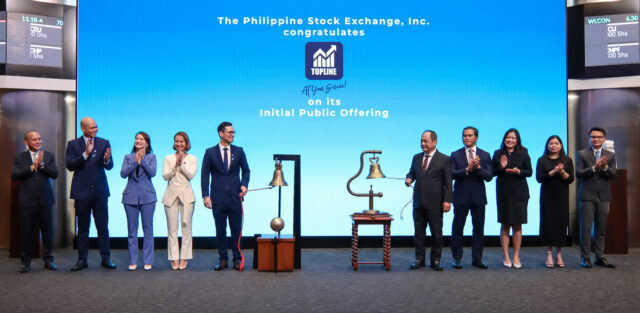
Top Line Business Development Corp made its stock market debut on Tuesday. — COURTESY OF TOP LINE BUSINESS DEVELOPMENT CORP.

SHARES of Cebu-based fuel retailer Top Line Business Development Corp. (Topline) slipped on its market debut, even as the local bourse saw a rebound on Tuesday.

Topline is the first initial public offering (IPO) on the Philippine Stock Exchange (PSE) this year.

Shares in Topline opened at their IPO price of 31 centavos. It fell by 9.68% to an intraday low of 28 centavos.

Topline closed 3.23% lower at 30 centavos per share at the end of Tuesday’s trading.

“Topline opened to a weak start on its first trading day, weighed down by bearish global market sentiment following Trump’s imposition of reciprocal tariffs,” DragonFi Securities, Inc. Equity Research Analyst Jarrod Leighton M. Tin said in a Viber message.

“Given the subdued debut, investor appetite for upcoming IPOs this year may remain muted until overall market sentiment improves. The fundamentals are good. It’s just that this is not the best environment for growth stocks,” he added.

The benchmark PSE index (PSEi) on Tuesday closed 3.15% higher at 6,006.34. The PSEi bounced back from the 4.29% decline on Monday, amid a broader sell-off in Asian markets due to the US tariffs.

US President Donald J. Trump imposed a minimum of 10% tariff for all US imports, with targeted rates of up to 50% on some countries, raising worries of a global trade war and a recession. He slapped a 17% reciprocal tariff on Philippine goods, but this was among the lowest in Southeast Asia.

“Global markets tumbled (on Monday) as a result of Trump’s Liberation Day tariffs, or as some call it, Liquidation Day tariffs. Less than stellar market conditions and every imaginable headwind are among the realities that publicly listed firms have to contend with,” PSE President and Chief Executive Officer Ramon S. Monzon said during the Topline listing ceremony.

“But I believe Topline can navigate these headwinds in the financial markets,” he added.

Eugene Erik C. Lapasaran Lim, Topline chairman, chief executive officer, and president, said the company’s IPO has seen strong market demand.

“While we acknowledge broader market challenges affecting investor sentiment, both locally and globally, we are glad for our IPO’s oversubscription, receiving overwhelming support from our institutional and retail investors,” Mr. Lim said.

Topline raised up to P732.6 million from its IPO that consisted of 2.15 billion primary shares with an overallotment option of up to 214.84 million secondary shares. The company’s shares were listed on the PSE’s main board with a 22% public float.

Mr. Monzon said Topline is the sixth company listed on the PSE that is either Cebu-based or has main operations in Cebu.

“Since listing dates are milestones, it is understandable that there are investors who put a lot of importance on a stock’s performance stock market debut. But as I’ve said many, many times, an IPO is not the be-all and end-all of a company’s existence. It is just the beginning,” Mr. Monzon said.

“Being listed gives a company a seal of good housekeeping in terms of good governance, regulatory compliance, and implicit transparency of management.”

In a separate interview on Money Talks with Cathy Yang program on One News Channel, Mr. Lim said that Topline is not affected by the uncertainties caused by the US tariffs.

“The Philippines is taxed not really very high. That’s probably one of the bright spots… Then with the existing oil pricing, it’s quite soft right now… It depends on what industry you are into. But so far for us, since we have a very good pricing strategy, it’s either the price of oil will go up or go down. We’re still fine with that,” he said.

“It’s not really that much in terms of pricing especially for the fuel products, since at the end of the day, we’ve been importing ever since. The Philippines is a net importing country. The fundamentals are still there, so we’re still quite excited for this listing,” he added.

The PSE is expecting six IPOs this year. Other companies seen to list this year include mobile wallet GCash and water concessionaire Maynilad Water Services, Inc. — Revin Mikhael D. Ochave

ASEAN nations plan tariff talks with United States

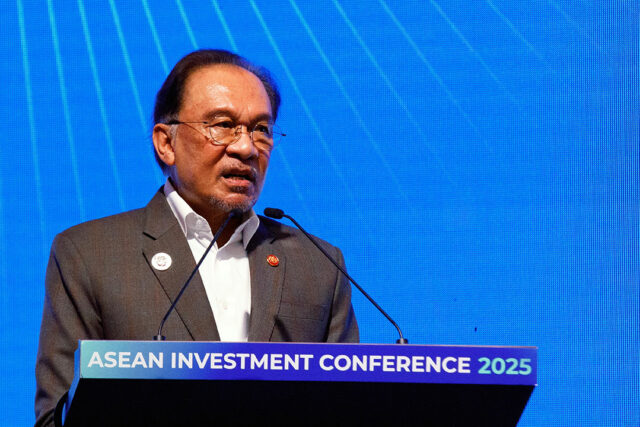
Anwar Ibrahim, Malaysia’s prime minister, speaks during ASEAN Malaysia 2025 events in Kuala Lumpur, Malaysia on March 8, 2025. — BLOOMBERG

MALAYSIAN Prime Minister Anwar Ibrahim said his country and the Association of Southeast Asian Nations (ASEAN) partners will dispatch officials to Washington, D.C. for talks following President Donald J. Trump’s rollout of global tariffs.

“There may be limited room to revisit the underlying intent, but there is still scope for adjusting the policy’s implementation,” Anwar said in his opening speech at the ASEAN Investment Conference 2025 in Kuala Lumpur. “The global trading system is under intense strain, more so than at any point in recent memory.”

Southeast Asian nations were hard hit by the so-called reciprocal tariffs rolled out by Mr. Trump last week, though they vary depending on each country’s trade relationship with the US. Malaysia faces a 24% levy; US tariff on Indonesia was set at 32%; and Vietnam exports will be charged at 46%. The US tariff on Singapore was set at 10%, while the levy for the Philippines will be 17%.

In response, countries across the region are examining both policy responses to support their economies while seeking relief from the tariffs in talks with the US. Vietnam Deputy Prime Minister Ho Duc Phoc on Monday canceled afternoon meetings in New York to hurry to Washington, people with knowledge of the matter said earlier. Mr. Trump’s tariffs on Vietnam and other countries take effect at 12:01 a.m. in Washington on Wednesday.

Indonesia has announced plans to send a heavyweight delegation to Washington next week, including Finance Minister Sri Mulyani Indrawati and the economy and foreign ministers.

Thailand’s Deputy Prime Minister Pichai Chunhavajira will also visit the US, Prime Minister Paetongtarn Shinawatra said in a statement on Sunday, without specifying any timing. “What we will communicate to the US government is that Thailand is not just an exporter, but we are a reliable ally and economic partner,” Paetongtarn said.

Singapore will set up a taskforce to address economic uncertainties, Prime Minister Lawrence Wong told lawmakers on Tuesday, warning that the official growth forecast of 1%-3% for 2025 is likely to be revised lower.

Mr. Wong said a Special ASEAN Economic Ministers’ Meeting will be convened this week to discuss how the bloc can work together to boost trade and as a “strong signal of ASEAN’s commitment to regional economic integration.”

The Philippines on Monday said it may cut tariffs on US products, while also consider joining a potential collective response by ASEAN.

Malaysia is the current chair of the ASEAN group of 10 Southeast Asian countries. Anwar said over the weekend that Malaysia will lead efforts to coordinate a regional response by Southeast Asia toward US tariffs.

On Tuesday, he deviated slightly from a distributed written copy of the speech by specifically mentioning ASEAN’s role in US talks.

“As part of our soft diplomacy of quiet engagement — and I built this consensus among ASEAN leaders — we will be dispatching together with our colleagues in ASEAN, our officials to Washington to begin the process of dialogue,” Anwar said.

Noting that the bloc accounts for total trade in goods of $3.5 trillion, Anwar also called for more internal economic cooperation, including more regulatory alignment, cross-border logistical work and digital connectivity.

“With the barrage of tariffs sweeping across the world in fast and furious fashion, we are witnessing the fraying of the global order,” Anwar said. “Therefore, ASEAN must rely more on itself.”

Anwar, who was Malaysia’s finance minister during the 1997-1998 Asian financial crisis until he fell from grace with then-Prime Minister Mahathir Mohamad, said the “Trump tariffs” are not the first challenge to multilateralism and won’t be the last.

“If ASEAN can hold its nerve — staying open, pragmatic and cohesive — it may yet be among the last believers in a world that works better when it works together,” he said. — Bloomberg

Closing the distance to digital access

FREEPIK

At the turn of the millennium, internet access was still limited to a relatively small portion of the globe. Two decades later, it has become one of the most transformative forces of modern life. In fact, a quarter-century into the digital age, high-speed internet has arguably become a basic requirement for participating in modern life.

On an individual level, access to fast internet is a categorical improvement in one’s quality of life offering unprecedented benefits: from seamless communication with companies and government agencies, open access to professional-level educational material, virtually unlimited entertainment options, and everyday conveniences such as online banking and grocery delivery.

On a societal level, internet connectivity has become a global infrastructure of its own — an information and commerce superhighway that functions both as an open node in an incredibly lucrative trade network worth billions, if not trillions of dollars, and a national security risk that can threaten democracies.

Since his inauguration, President Ferdinand R. Marcos, Jr. has placed a strong emphasis on advancing the country’s information and communications technology, marking it as part of his 10-point agenda for economic renewal and long-term growth. In promoting a Digital Philippines, he had said: “Digitalization is the call of today; not of the future — but of the present. It is here. It is needed, and it is needed today.”

The Philippines, in general, is thriving in cyberspace. According to the Digital 2025 report by DataReportal, the Philippines has 97.5 million individuals using the internet at the start of 2025, representing online penetration at 83.8% of the total population.

Additionally, when analyzing trends over time, the number of mobile connections in the Philippines increased by 17 million (or about 13.4%) between the start of 2024 and the beginning of 2025, according to data from GSMA Intelligence. About 98.2% of those mobile connections can also now be considered “broadband,” which means that they connect via 3G, 4G, or 5G mobile networks.

However, as DataReportal pointed out in the report, while the number of Filipinos enjoying the benefits of internet connectivity is growing, there are still many being left behind.

“Kepios’ analysis indicates that the number of internet users in the Philippines increased by 792,000 (+0.8%) between January 2024 and January 2025. And for added perspective, the Philippines’ internet adoption rate (i.e. the percentage of the total population that uses the internet) remained unchanged during the same period,” the report noted.

“But these user figures also suggest that 18.8 million people in the Philippines did not use the internet at the beginning of 2025, suggesting that 16.2% of the population remained ‘offline’ at the start of the year.”

Bridging the digital divide

The unequal access to digital technologies like the internet and smartphones or laptops is a global issue known as the digital divide. But this problem is made far more challenging in a country like the Philippines, as its natural topography as an archipelago makes it both difficult and expensive to deploy broadband infrastructure to far-flung areas.

Remote provinces typically have low population density, which means higher costs per household for service providers. Moreover, natural obstacles like mountains and forests can impede signal transmission and increase the complexity of construction.

In 2024, the Philippine Institute for Development Studies (PIDS) found that despite progress in recent years towards improving connectivity across the country, significant disparities in access and affordability remain, particularly in rural areas.

“Mobile data affordability has shown positive strides in recent years, making it a more accessible option for many Filipinos. However, mobile network performance, particularly in terms of speed, still lags behind ASEAN counterparts,” the PIDS study titled ‘Making Broadband Universal: A Review of Philippine Policies and Strategies’ noted.

The study further pointed out that while the Philippines enjoys near universal 4G coverage at 99% and promising 5G penetration at 70%, its mobile broadband speed lags behind Southeast Asian leaders. Citing an Ookla report in August 2023, PIDS found that the Philippines has average fixed broadband upload and download speeds of 6.21 megabits per second (Mbps) and 25.47 Mbps, respectively, compared to Singapore with 81.41 Mbps download speed.

Meanwhile, citing the 2022 Global System for Mobile Communications Mobile Association (GSMA) Connectivity Index, PIDS also noted that the Philippines ranks third lowest in terms of mobile data affordability, scoring a mere 47.01 out of 100.

“Access and internet speed fall sharply in rural regions, leaving many communities disconnected from the online world’s opportunities,” the study said, adding that regions with lower development and urbanization, like Region VIII and Bangsamoro Autonomous Region in Muslim Mindanao (BARMM), have much slower internet speeds. For example, Region VIII’s fastest fixed broadband is only around 40 Mbps, while BARMM’s average mobile download speed is barely 10 Mbps.

Nonetheless, the study acknowledged the government’s commitment to bridging these gaps as initiatives like the National Broadband Plan, and satellite service liberalization are promising steps towards achieving universal broadband access.

“It is important to foster partnerships among government, private sector, and civil society through comprehensive sharing agreements and robust monitoring and evaluation frameworks,” the PIDS study said, noting that program and policy implementation must be strengthened through better monitoring and evaluation.

To bring the President’s vision of a Digital Philippines to life, the government has also introduced measures such as the Philippine Digital Infrastructure Project (PDIP), a US$288-million endeavor funded by a World Bank loan, aiming to boost broadband connectivity and strengthen cybersecurity nationwide. The PDIP also covers the completion of the national fiber backbone, connecting Metro Manila to Southern Luzon, and the establishment of 772 free Wi-Fi sites across Mindanao, with emphasis on Regions XI and XIII.

The Department of Information and Communications Technology (DICT) has been at the forefront of such measures. The agency is expediting the National Broadband Plan, which aims to establish a robust digital infrastructure backbone across the country, and as of 2024, the DICT had started rolling out fiber-optic and satellite connectivity, particularly in geographically isolated and disadvantaged areas.

Ultimately, the goal is to enable more Filipinos to participate in the digital economy and access essential online services such as telemedicine, e-learning, and e-commerce.

“Digitalization is the way… to make our country competitive worldwide. This is the way to breach the digital divide because when you have a digital divide, you have an economic divide, a gender divide, a generational divide. So, we need to bridge that. That’s what we’re doing in all these digitization efforts,” DICT former Secretary Ivan John Uy said. — Bjorn Biel M. Beltran

How 5G technology redefines internet access

macrovector | Freepik

In an increasingly digital country, Filipinos have long been clamoring for reliable high-speed internet access not just in their homes but also on the go. Work, education, and even business utilize in one way or another stable internet connection. The way Filipinos connect to the internet has changed drastically over the past decade, and the advent of fifth-generation (5G) technology has made it all possible.

Ten years ago, neighboring Asian countries like Thailand had an average Internet speed of 7.4 megabytes per second (Mbps), and Malaysia with 4.3 Mbps. Meanwhile, according to the Asia Pacific Journal of Business Review, the Philippines averaged a measly internet speed of only 2.8 Mbps, placing the country at 104 among 160 countries. By 2021, the Philippines catapulted to 64th globally, with an average download speed of 71.85 Mbps, an upload speed of 70.32 Mbps, and a latency of 19 milliseconds.

In 2015, the Philippines was known to have “Asia’s Worst Internet Service” mainly due to slow adoption of new technology and over-reliance on 2G, 3G, and 4G-LTE connections. These earlier generations of mobile connectivity had significant limitations that hindered the country’s internet performance.

First commercially launched in 1991, 2G, which stands for second-generation mobile networks, was revolutionary at its time, introducing digital technology, enhancing voice quality, and replacing analog systems in mobile communications. However, the network only had a theoretical maximum speed of around 40 kilobytes per second at its peak.

Similarly, 3G, or the third generation of cellular network technology, brought about significant improvements by introducing mobile internet capabilities. Launched in Japan by NTT Docomo in 1998, the new network enabled users to share a band of frequencies, improved spectrum usage efficiency, and increased data rates to up to 2 Mbps.

Wireless standards then evolved and gave way to fourth generation (4G) long-term evolution (LTE). First introduced for commercial use in Norway in 2009, the innovation’s minimum internet speed of 12.5 Mbps is already significantly higher than its predecessor. Additionally, it’s the first network with the capability to allow its users to stream both video and audio files, talk to others without experiencing lag or jitter, and play mobile games due to improved network capacity.

Finally, in 2019, South Korea became the first country to offer 5G commercially, giving its mobile users rates of up to three gigabytes per second along with lower latency and better bandwidth. Today, 5G is an essential requirement for mass Internet of Things (IoT) deployments, particularly in the development of smart cities and across various industries, due to its ability to handle the sheer volume of data traffic and device connections that smart cities and industrial sectors demand with high reliability.

The technology arrived in the Philippines not long after. Globe Telecom first introduced 5G technology for Fixed Wireless Access (FWA) in select towns in June 2019. Smart Communications then followed suit in July 2020, targeting post-paid subscribers in Metro Manila who had 5G-eligible smartphones.

The introduction of the technology resulted in a massive boost to internet connections for Filipinos. Based on data from Ookla, fixed broadband download speeds nearly tripled from 23.46 Mbps in June 2020 to 66.86 Mbps in June 2021, consequently pushing the Philippines 47 spots from 109th to 62nd in the world in terms of internet speed.

It can be argued that several factors, such as better cyberinfrastructures built around the country, and the COVID-19 pandemic, which drove the demand for quicker networks in 2020, may have played key roles in boosting internet speed in the country back then.

Ultimately, the adoption of 5G technology made a significant and lasting impact in bringing the Philippines up to average global standards in internet speed and connectivity. While challenges remain, particularly in ensuring nationwide coverage and widespread adoption of 5G-capable devices, the future of internet access in the Philippines looks brighter than ever due to a transformative technology that has set new benchmarks for mobile internet performance in the country. — Jomarc Angelo M. Corpuz

The Philippines sees steady gains in internet connectivity

dict.gov.ph

High-speed internet is often defined by fast download and upload speeds that enable seamless online transactions. With an internet penetration rate of approximately 89% in 2024, most Filipinos rely on their devices to access the web, according to Statista.

Recent data from Ookla, a global connectivity intelligence firm, shows that the Philippines ranks 65th globally for mobile internet speeds and 58th for fixed broadband as of February 2025. Mobile users experience an average download speed of 58.83 megabytes per second (Mbps) and an upload speed of 8.63 Mbps. For fixed broadband, average download speeds reach 94.40 Mbps, with upload speeds nearly identical at 94.38 Mbps.

In the second quarter of 2024, Luzon led in fixed internet speeds, with the five fastest regions recording median download and upload speeds exceeding 90 Mbps. Metro Manila and its neighboring provinces attracted the bulk of high-speed broadband investment.

CALABARZON, home to over 16 million people, recorded the highest median fixed download speed at 99.55 Mbps. The region also has the second-largest percentage of households with fixed broadband access at 23.4%, trailing only Metro Manila’s 26.4%.

Eastern Visayas, on the other hand, ranks at the bottom with a median download speed of 38.43 Mbps due to limited broadband infrastructure.

Meanwhile, internet performance in the Philippines has steadily improved over the past two years. Ookla reported that the median fixed download speed increased by 51%, from 62.51 Mbps in the second quarter of 2022 to 94.42 Mbps in the same quarter of 2024. Upload speeds also improved, rising from 58.65 Mbps to 94.13 Mbps over the same period.

Singapore and Thailand lead the region, with median fixed broadband download speeds surpassing 200 Mbps. Malaysia and Vietnam posted comparable speeds at 132.72 Mbps and 135.00 Mbps, respectively.

The Department of Information and Communications Technology (DICT) former Secretary Ivan John Uy said the Philippines now ranks sixth in internet penetration in the region, climbing from ninth place in less than two years.

“If we continue on this trajectory, with a 14% increase in our index in recent years, I’m hoping that by 2028, we will be in the top three in ASEAN,” the former secretary explained. “Our ASEAN neighbors are not sitting back. They are also infusing huge amounts of investments in their Internet connectivity. So, we need to double what they are putting. If they are putting one peso, we need to put two pesos because we’re the ones trying to catch up.”

Push for better internet

The DICT is implementing the National Broadband Plan (NBP), a large-scale initiative to expand broadband access. The program focuses on deploying fiber broadband networks and wireless technology to improve internet speed and affordability.

As part of the NBP, the government launched the National Fiber Backbone (NFB) project to strengthen connectivity and enhance digital government services. The first phase covers Regions I, III and the National Capital Region (NCR), and is set for completion by 2026. Once operational, it will improve internet reliability and extend access to underserved areas.

In 2024, President Ferdinand R. Marcos, Jr. approved the $288-million Philippine Digital Infrastructure Project (PDIP) to complete the country’s national fiber backbone and expand high-speed internet access to underserved areas. The World Bank is funding the project through official development assistance.

The government also continues to expand its Free Public Internet program, which currently serves 9.8 million Filipinos. Mr. Uy reported that the program to date has 13,462 free Wi-Fi sites across 1,401 cities and municipalities, including 3,040 sites in geographically isolated and disadvantaged areas. By 2028, the DICT aims to increase the number of free Wi-Fi sites to 125,000 nationwide.

Beyond government-led efforts, major internet service providers (ISPs) are aggressively expanding their networks. PLDT, which began rolling out fiber-optic infrastructure in 2015, had reached 17.3 million households by the end of 2023. Converge ICT Solutions, Inc., another major broadband provider, added 900,000 new homes in 2023, bringing its total coverage to nearly 16 million homes. Globe Telecom has also continued investing in network upgrades to enhance broadband services in both urban and rural areas. — Mhicole A. Moral

Tamaraw protectors receive mobility and equipment aid from Toyota PH

In photo (from left) are TMP President Masando Hashimoto and DENR Secretary Maria Antonia Yulo Loyzaga during the turnover of Toyota Tamaraw UV and Bantay Tamaraw Kits

Toyota Motor Philippines Foundation (TMPF), the social and humanitarian arm of the country’s leading automotive company, turns over a brand-new locally produced Tamaraw vehicle and “Bantay Tamaraw Kits” as support to the Department of Environment and Natural Resources’ (DENR) Tamaraw Conservation Program (TCP). 

The ceremonial turnover, held at the DENR Central Office in Diliman, Quezon City, was led by DENR secretary Maria Antonia Yulo Loyzaga, Toyota Motor Philippines Corporation (TMP) president Masando Hashimoto, and TMPF president Jose Maria Aligada.

The donations are part of a collaboration with a Memorandum of Understanding (MOU) between the DENR and TMPF, signed synchronously with the release of the Next Generation Toyota Tamaraw in Dec. 2024.

In photo (from left) are TCP Deputy Coordinator Neil Anthony del Mundo, TMP First Vice President Josephine Villanueva, TMPF President Jose Maria Aligada, TMP President Masando Hashimoto, DENR Secretary Maria Antonia Yulo Loyzaga, DENR Undersecretary for Field Operations Atty. Juan Miguel T. Cuna, DENR Undersecretary for Legal and Administration Atty. Ernesto D. Adobo Jr., Assistant Director for Biodiversity Management Bureau Mariglo Rosaida I. Laririt, DENR MIMAROPA Regional Executive Director Felix S. Mirasol Jr., and San Jose, Occidental Mindoro City Environment and Natural Resources Office and Concurrent TCP Coordinator Efren L. Delos Reyes.

As the first tranche of support, TMPF handed over a Tamaraw Utility Van (UV) long wheelbase variant to aid in the patrolling and monitoring by “Bantay Tamaraw Rangers” as well as in the mobility operations of the TCP Office on the island of Mindoro. In addition, DENR-MIMAROPA regional officials and TCP Office representatives received Php500,000-worth of Bantay Tamaraw Kits, consisting of mountaineering gears, equipment, and tools on behalf of the Bantay Tamaraw Rangers.

The Bantay Tamaraw Rangers are volunteer Indigenous People (IP) and barangay residents dedicated in protecting the critically endangered Tamaraw (Bubalus mindorensis) and their known habitats in Mounts Iglit-Baco Natural Park, which spans across Occidental Mindoro and Oriental Mindoro. To date, the TCP Office has eighteen (18) registered rangers who will soon receive a complete set of equipment each.

In his message, TMP president Masando Hashimoto paid tribute to Tamaraw protectors, saying “we salute you for risking yourself on the ground to protect our Tamaraws.”

“Now, it is your turn to be protected too – from the harsh mountain conditions and various dangers of trekking and camping for weeks in the wilds.”

Hashimoto also mentioned that the initiative is part of the global Toyota Environmental Challenge 2050, particularly in “Establishing a Society in Harmony with Nature.” Under this challenge, TMP collaborates with the DENR on various environmental initiatives, including reforestation, afforestation, marine life conservation, and recently, biodiversity conservation.

On top of in-kind donations, TMPF is also committed to provide a Php3-million conservation fund to support key program initiatives, including Tamaraw habitat monitoring and research, support programs for Barangay and Indigenous People (IP) volunteers, equipping the Tamaraw Research and Conservation Center, and various Communication, Education, and Public Awareness (CEPA) activities.

Founded 35 years ago, TMPF is the corporate foundation of TMP with a focus on four (4) core pillars of Health, Education, Environment, and Community Service.


Spotlight is BusinessWorld’s sponsored section that allows advertisers to amplify their brand and connect with BusinessWorld’s audience by publishing their stories on the BusinessWorld Web site. For more information, send an email to online@bworldonline.com.

Join us on Viber at https://bit.ly/3hv6bLA to get more updates and subscribe to BusinessWorld’s titles and get exclusive content through www.bworld-x.com.

Meralco sees spike in April electricity rates

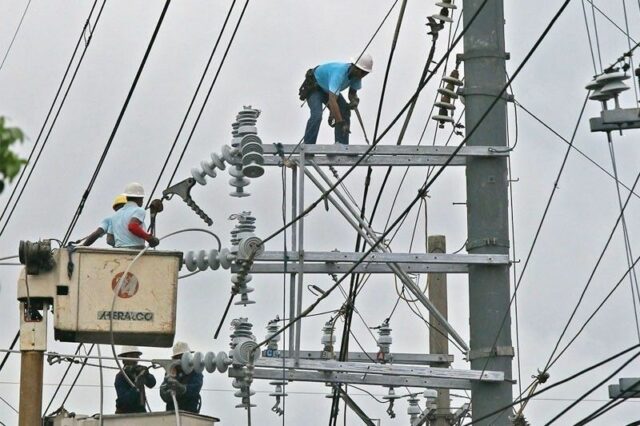
PHILSTAR FILE PHOTO

CUSTOMERS of Manila Electric Co. (Meralco) may expect higher electricity rates this month as the power distributor anticipates increases in generation and transmission charges.

“We are still waiting for some billings, but indications point to possible increase in the generation and transmission charges,” Joe R. Zaldarriaga, vice-president and head of corporate communications at Meralco, said in a statement on Tuesday.

The projected higher generation charge was attributed to the increase in prices at the Wholesale Electricity Spot Market (WESM), the trading platform for electricity.

Power plants that went on outage accumulated an average lost capacity of almost 1,000 megawatts (MW), failing to meet the average demand, which jumped by over 1,000 MW, Mr. Zaldarriaga said, citing initial information.

Data from the Independent Electricity Market Operator of the Philippines showed that the average price of electricity at the WESM surged by 95.5% to P5.34 per kilowatt-hour (kWh) as demand rose while supply declined due to forced outages.

Available supply decreased by 4.4% to 19,611 MW, while demand grew by 5.9% to 13,670 MW.

For Luzon alone, the WESM rate climbed by 102.7% to P5.50 per kWh.

The Luzon grid was placed under yellow alert on March 5 due to thin power reserves.

Transmission charges are also expected to increase due to higher ancillary service charges driven by elevated prices at the reserve market.

Generation charges, which cover the cost of power purchased from suppliers, usually account for more than 50% of the monthly electricity bill. Transmission charges, meanwhile, refer to the cost of delivering power from suppliers to the distribution system and constitute around 3% of the bill.

A slight relief, however, is expected to cushion the possible increase, as Meralco will begin implementing the P19.95-billion refund to its customers, as approved by the Energy Regulatory Commission (ERC).

The refund, which must be implemented within three years, translates to an average rate of P0.1189 per kWh.

“We hope that the start of the implementation of the refund approved by ERC will help mitigate these possible increases in these bill components. This is equivalent to around 20 centavos per kWh downward adjustment for residential customers starting this month,” said Mr. Zaldarriaga.

In March, the power distributor raised electricity rates by P0.2639 per kWh to P12.2901 per kWh due to higher transmission charges.

Meralco’s controlling stakeholder, Beacon Electric Asset Holdings, Inc., is partly owned by PLDT Inc. Hastings Holdings, Inc., a unit of PLDT Beneficial Trust Fund subsidiary MediaQuest Holdings, Inc., has an interest in BusinessWorld through the Philippine Star Group, which it controls. — Sheldeen Joy Talavera

PHL rolls out fully online registration for companies

PHILSTAR FILE PHOTO

By Revin Mikhael D. Ochave, Reporter

THE Securities and Exchange Commission (SEC) has transitioned to a fully online and paperless system for company registrations, with the goal of improving the ease of doing business.

The commission issued Memorandum Circular No. 3 on April 4, mandating the use of the SEC Zuper Easy Registration Online (ZERO) system for company registration through the Electronic Simplified Processing of Application for Registration of Company or eSPARC and the One-Day Submission and E-registration of Companies (OneSEC) portals, the SEC said in an e-mailed statement on Tuesday.

SEC ZERO is a module under eSPARC that eliminates the need for physical signatures, notarization, and the submission of hard copies of registration documents.

“SEC ZERO exemplifies our commitment to digitalization and sustainability, making the process of setting up a business easier and faster than ever. By allowing companies to authenticate their registration documents online, company registration can now be completed anytime and anywhere,” SEC Chairperson Emilio B. Aquino said.

SEC ZERO is integrated with the electronic SEC user registration environment (eSECURE), which verifies users before they can access the SEC’s online services, as well as the Electronic Submission Authentication Portal (eSAP), which uses one-time passwords to electronically authenticate SEC-required documents in place of conventional paper-based signatures.

“The credentialing process through eSECURE, plus authentication via eSAP, further enables us to filter out fraudulent individuals seeking to misuse the corporate vehicle to defraud the public. With this, those registering corporations are properly identified and can be held accountable, if necessary,” Mr. Aquino said.

Since its launch in July of the previous year, SEC ZERO has facilitated the registration of 1,874 companies. The application is part of the SEC’s third phase of digital transformation initiatives.

Effective April 7, all domestic stock corporations — excluding lending and financing companies — are required to be processed through SEC ZERO. This includes corporations wholly owned by Filipinos as well as those with foreign equity.

Filipino-owned domestic stock corporations may still register via OneSEC.

Lending companies, financing companies, and foreign corporations will continue using the traditional process under eSPARC for three months following the effectivity of Memorandum Circular No. 3. After this transition period, SEC ZERO will be mandatory for all types of corporations.

The SEC recorded a 6% increase in new company registrations, reaching 52,304 in 2024, compared with 49,506 in 2023, largely attributed to streamlined digital application processes.

In October of the previous year, the World Bank’s Business Ready (B-READY) report ranked the Philippines 16th out of 50 economies in terms of regulatory framework, with a score of 70.68. This positions the country among the top 40% of economies globally for regulatory quality.

However, the report also ranked the Philippines 24th in public services and 36th in operational efficiency.

The B-READY report evaluates the business and investment climate across three pillars: regulatory framework, public services, and operational efficiency.

“I certainly appreciate the convenience that this new rule brings. I anticipate more enterprises will consider incorporating, given how easy it is now,” Ateneo de Manila Policy Center Fellow Michael Henry Ll. Yusingco said in a Facebook message.

“But it is incumbent upon the SEC to educate the public on how this works and how it benefits our economy. This will likely require a massive nationwide education campaign,” he added.

Rizal Commercial Banking Corp. Chief Economist Michael L. Ricafort said in a Viber message that the SEC’s recent move is part of the government’s broader digitization efforts to improve efficiency and productivity.

“However, it is essential that this process is digitally secured and validated to mitigate risks such as misrepresentation, hacking, and other cybersecurity threats,” he said.