BoI seeking UAE tech tie-ups for RE integration projects
THE Board of Investments (BoI) said it is looking to partner with tech firms in the United Arab Emirates (UAE) to integrate renewable energy (RE) and data center capabilities.
It said the goal of the collaboration is to boost the Philippine artificial intelligence (AI) ecosystem, following the country’s inclusion in the US-led Pax Silica bloc.
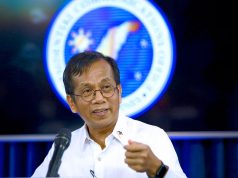
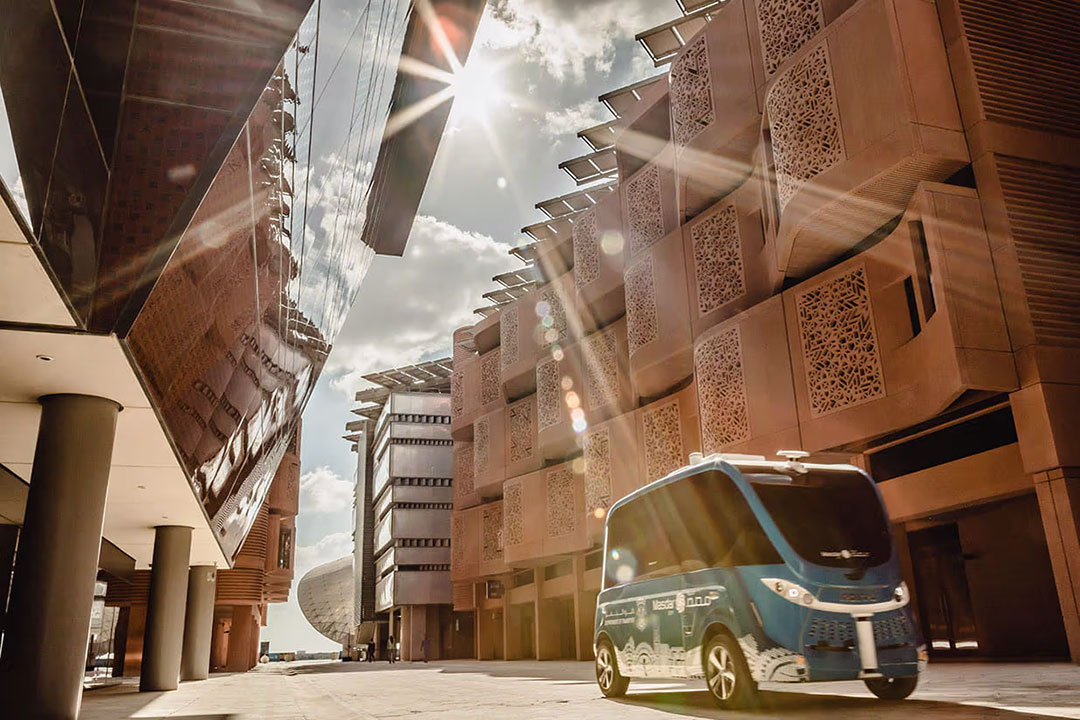
On May 4, Trade Undersecretary and BoI Managing Head Ceferino S. Rodolfo met with Masdar, a state-owned renewable energy firm, to explore the possible deployment of renewable energy solutions in the AI-native hub of New Clark City in Tarlac.
Masdar is also involved in the development of up to 10 gigawatts of RE projects in the Philippines.
The UAE, one of the world’s top oil producers, is hoping to generate most of its electricity from RE sources by 2050, according to the UAE Ministry of Economy.
Mr. Rodolfo also met with DAMAC Digital, a Dubai digital infrastructure company, to discuss the progress of a 250-megawatt data center in the Philippines.
In January, President Ferdinand R. Marcos, Jr. met with DAMAC Chairman Hussain Sajwani in Abu Dhabi to discuss its planned investments in the Philippines, including a data center in Laguna.
The planned investments are expected to raise the profile of the Philippines as a hub for AI-driven technologies, Mr. Rodolfo said.
“The Luzon AI-native hub within the Pax Silica alliance integrates UAE’s renewable energy expertise and data center capabilities for next-gen manufacturing,” he added.
Both the Philippines and the UAE are part of the Pax Silica alliance, which seeks to compete with China’s growing tech manufacturing sector.
Following its entry to the Pax Silica bloc, the Philippine government announced its plan to develop a 1,618‑hectare AI‑native hub in New Clark City. This is expected to support the country’s emerging AI supply-chain ecosystem.
Philippine Ambassador to the UAE Alfonso Ferdinand A. Ver said any Pax Silica-related projects will be facilitated by the two countries’ active bilateral and trade agreements.
These include the Comprehensive Economic Partnership Agreement and the Investment Promotion and Protection Agreement, he said.
“This signifies that the Philippines and the UAE are no longer just traditional trading partners, they are now strategic tech allies,” Mr. Ver said.
Mr. Rodolfo also held discussions with several UAE-based firms for potential partnerships, including Tristar Group, iSON Xperiences, AIM Congress, and The Hub Trading LLC, the BoI said.
The UAE, the Philippines’ 18th largest trading partner, accounts for almost 39% of Philippine exports to the Middle East.
In 2024, bilateral trade between Manila and Abu Dhabi hit nearly $1.83 billion. — Beatriz Marie D. Cruz