Iran crisis seen highlighting need for diversified trade, energy sources
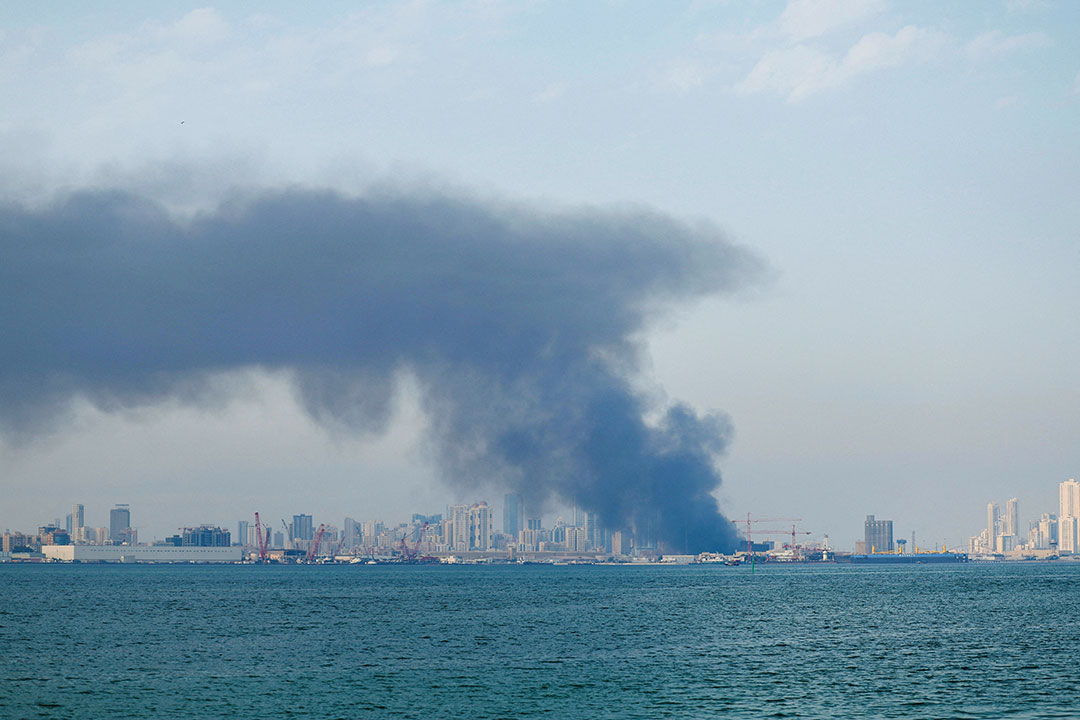
THE ATTACKS on Iran by the US and Israel highlights the need to minimize the potential for trade disruption and widening the trade deficit by broadening the lineup of countries the Philippines trades with, analysts said.
“Any escalation that disrupts Middle East supply or raises risk premiums can push oil prices higher, increasing our import bill, widening the trade deficit, and adding inflation pressure,” Philippine Institute for Development Studies Senior Research Fellow John Paolo R. Rivera said via Viber.
To mitigate the impact of the Iran crisis in particular, the Philippines must not be overly dependent on Middle Eastern supply subject to being choked off in a crisis, he said.
“This development underscores the importance of trade diversification and energy resilience, and maintaining macroeconomic buffers to absorb external shocks,” Mr. Rivera said.
The trade-in-goods deficit narrowed 17.8% year on year to $4.05 billion in January. It has been in deficit for over a decade, or since the $64.95-million surplus posted in May 2015.
Foreign Buyers Association of the Philippines (FOBAP) President Robert M. Young said the group is factoring in delays and canceled shipments as a result of the Iran crisis.
“Some of FOBAP members’ raw material suppliers come from the Middle East and Arab states, such as Turkey, India, and Pakistan,” he said via telephone.
“We are expecting delays or cancellation of shipments due to the potential imposition of embargoes.”
“Wars have devastating economic effects, such as the disruption of markets and an increase in risk and uncertainty,” he said.
George N. Manzano, associate professor at the University of Asia and the Pacific, said the impact of the Iran crisis on the Philippines will be indirect.
“We don’t trade much with Iran, relative to other countries,” he said via Viber, but added heightened uncertainty in global trade could hurt the Philippines’ flow of foreign investment and shipping movements, apart from the most immediate impact on oil prices, he said.
“Any escalation of the conflict can push global oil prices and since the Philippines is a net oil importer, that may lead to higher inflation,” he said via Viber.
Headline inflation picked up to 2% in January from 1.8% in December 2025.
The Bangko Sentral ng Pilipinas projects inflation to accelerate between 2.3% and 3.1% in February, caused by higher fish, rice, and fuel costs.
Mr. Rivera added that slower trade and growth globally could dampen domestic demand and raise production costs.
“If global growth softens, demand for Philippine exports, especially electronics and services, could moderate,” he said.
The crisis could also weaken investor sentiment in the Philippines as companies turn cautious, Mr. Rivera added. — Beatriz Marie D. Cruz