Nomura: Investors wary about Philippines amid inflation, Iran conflict
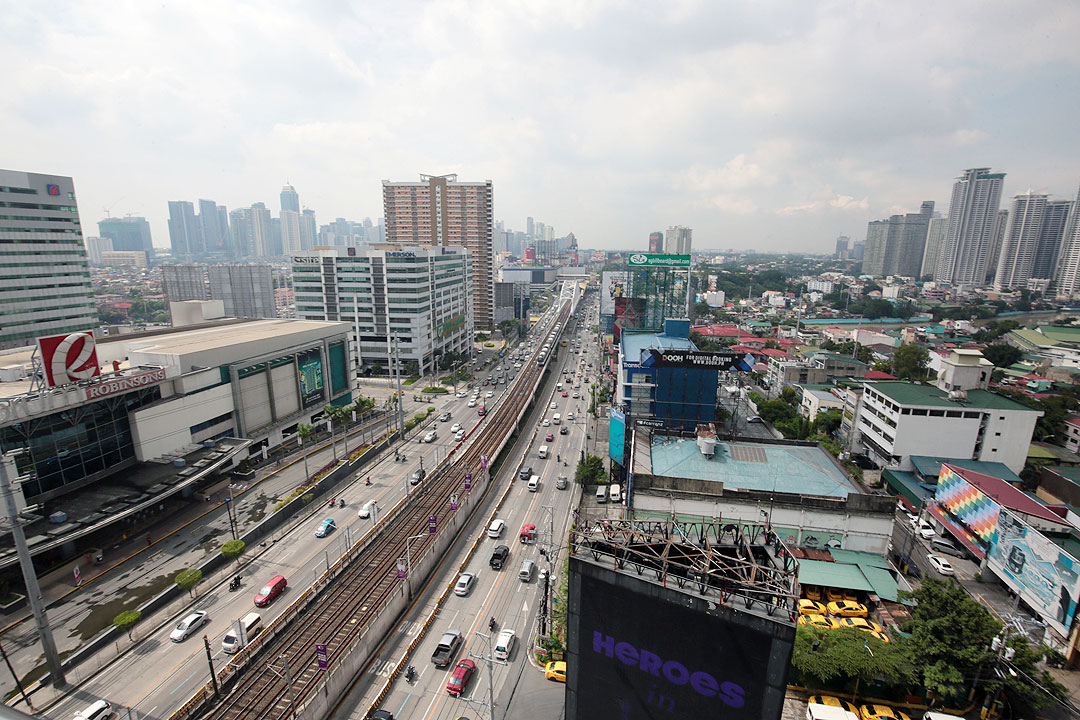
INVESTORS remain cautious about the Philippines due to rising inflation and growth risks stemming from the Middle East war and last year’s flood control corruption scandal, Nomura Global Markets Research said.
In a client note, Nomura said economic shocks linked to the Middle East conflict add to uncertainties from the unresolved graft controversy.
“The conflict in Iran poses significant risks to the inflation outlook and external balances,” analysts Euben Paracuelles, Nabila Amani and Yiru Chen said on Monday.
The Monetary Board has followed an easing path since August 2024, cutting the key policy rate by 225 basis points to an over three-year low of 4.25%.
However, Bangko Sentral ng Pilipinas (BSP) Governor Eli M. Remolona, Jr. earlier said the board could be forced to raise rates for the first time since October 2023 if inflation breaches 4% due to surging oil prices.
The central bank aims to keep inflation at 2% to 4%, with the “sweet spot” at 3%, Mr. Remolona said.
Inflation has remained within the BSP’s target for two consecutive months, accelerating to a 13-month high of 2.4% in February as back-to-back oil price increases weighed on prices.
Nomura noted that clients expect the BSP to hike rates this year, considering its commitment to price stability.
“Many clients agree that BSP could be among the first to hike, likely earlier than BI (Bank of Indonesia), given the impact of rising energy prices on inflation and BSP’s orthodox inflation-targeting mandate,” the analysts said.
Several observers have warned that inflation could surpass 4% in the coming months as fuel prices continue to rise amid disruptions to oil trade caused by the escalating Iran-Israel-US war.
Nomura forecasts inflation to average 4.4% by yearend before cooling to 2.7% next year.
Iran has said it would continue to block the Strait of Hormuz for vessels from the US, Israel and their allies. The strait is a critical oil transit point, carrying almost a fifth of global oil shipments, and its closure threatens major net oil-importing countries like the Philippines.
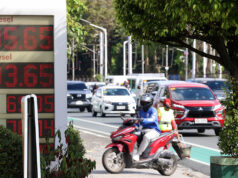
This week, fuel retailers are expected to implement staggered price hikes of P12.90 to P16.60 per liter for gasoline, P20.40 to P23.90 for diesel and P6.90 to P8.90 for kerosene, pushing diesel past P100 per liter and gasoline to around P90 per liter.
“Investors are cautious about the Philippines, not just from the negative terms-of-trade shock but also from the prospect of overseas remittances declining from the Middle East, which is host to 2.2 million Filipinos (both land- and sea-based),” Nomura added.
The analysts also noted that growth concerns persist amid governance issues, with investigations into the flood control corruption scandal involving lawmakers, Public Works officials and private contractors.
“The near-term growth outlook remains weak due to the ongoing corruption scandal,” Nomura said. “The resolution remains uncertain and domestic political risks are rising.”
Last year, Philippine growth fell to a post-pandemic low of 4.4% as the flood scandal dampened investment, household consumption and government spending.
Nomura projects the economy will expand 5.3% this year before recovering to 6.1% in 2027. — Katherine K. Chan