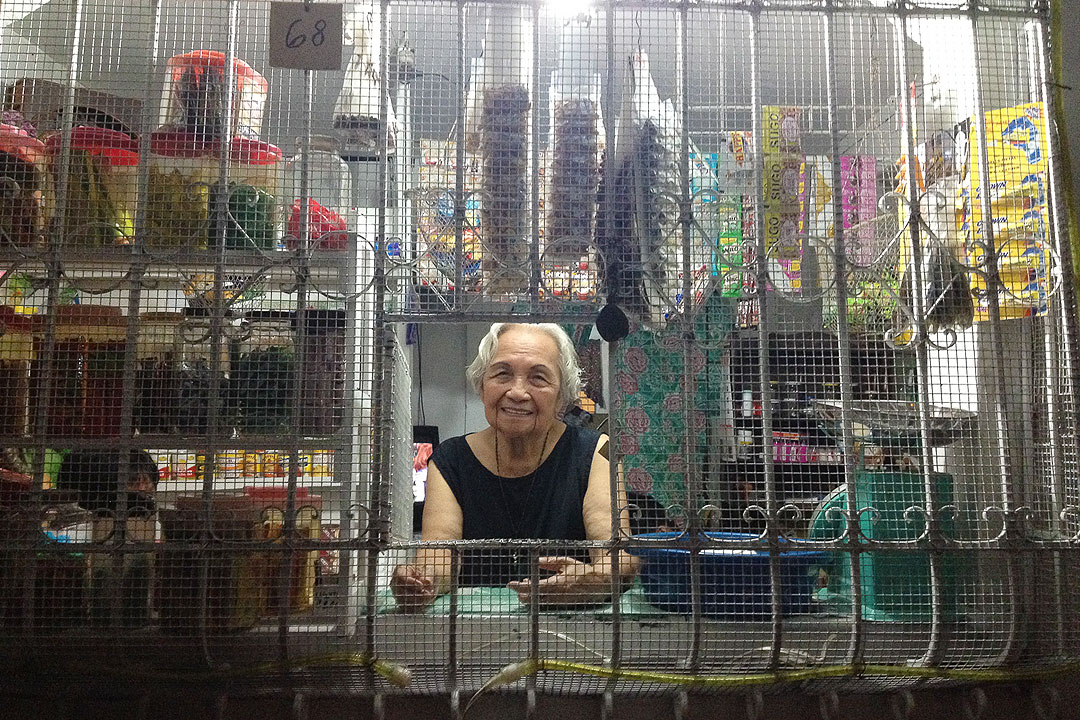
MICRO-RETAILERS as well as consumers are stocking up on basic goods in anticipation price hikes and longer delivery times as a consequence of the war in the Middle East, according to a study by Philippine tech startup Packworks.
In a report on Thursday, Packworks added that consumer purchasing activity also picked up for the same reason. Sales of the mom-and-pop segment, known in the Philippines as sari-sari stores, jumped 90% in March, according to transaction data generated by the Sari.PH Pro application.
Gross merchandise value (GMV) across Packworks’ network of 300,000 sari-sari stores linked to the app jumped 89.34% month on month to P3.73 billion in March.
Sari-sari stores GMV peaked on March 21 as oil firms announced a double-digit increase in diesel and kerosene prices.
Packworks Chief Data Officer Andres Montiel said that sari-sari store owners are stocking up to prepare for potential supply disruptions and rising costs due to the ongoing Iran war.
“With growing uncertainty and rising oil and commodity prices, our data suggests that sari-sari store owners are proactively adjusting their purchasing strategies,” he said.
He noted that delivery timelines in some regions have extended to three weeks, with retailers forced to purchase fast-moving goods in bulk.
The Cordillera Administrative Region posted the strongest increase in basket size at 101.7% (P773 to P1,560), followed by the National Capital Region at 85% (P396 to P733) and the Bangsamoro Autonomous Region in Muslim Mindanao at 80.2% (P495 to P892).
The study also noted that households increased their purchases from sari-sari stores to cut travel spending, as fuel price hikes have also raised transportation costs.
The average basket size amounted to P1,560 in March from P1,097 in February.
Transaction volume grew by 17%, Packworks said.
Traditionally driven by tingi, or small-quantity, daily purchases, households are now consolidating trips to offset rising transportation costs, according to the study.
The startup also recorded high sales of cigarettes (around P234 million), followed by detergent (P116 million), gin (P66 million), powdered coffee (P55 million), and chips and dip (P45 million).
Households are also stocking up on goods like soda, biscuits, powdered milk, and canned items, which showed increased sales, Packworks said.
Packworks Chief Platform Officer Hubert Yap said sari-sari stores are vulnerable to price and logistical irregularities.
“As the backbone of local communities, sari-sari stores continue to demonstrate resilience in times of disruption. However, they remain highly vulnerable to price fluctuations and logistical challenges, highlighting the need for continued support,” he said.
Sari-sari stores fall under the category of micro, small and medium enterprises — which account for 99% of businesses operating in the Philippines — and typically have limited capacity to absorb shocks. — Beatriz Marie D. Cruz