GLOBAL ENERGY tensions are once again testing the world’s supply chains, and the ripple effects are sharply felt in logistics — a sector where every movement depends on energy. Rising energy and shipping costs are now dis-rupting the supply chain, from schedule reliability to service frequency. This is felt across all modes of transport, air, sea, and land — domestic and, to a greater extent, cross border supply chains. The global supply chain is once again on thin ice following the massive disruption caused by the COVID-19 pandemic, this time driven by geopolitical friction unfolding thousand kilometers away from the Philippines.
In the case of oil, a significant share of global supply still traverses politically sensitive regions. Any instability in these areas can trigger rapid volatility in energy markets, leaving fuel-dependent economies like the Philippines vulnerable to sudden cost spikes and supply constraints. For local logistics players, these shifts translate into higher freight rates, increased operational strain, and added pressure on distribution networks.
Recognizing the mounting risks, the Department of Trade and Industry (DTI) recently convened members of the Supply Chain and Logistics Center (SCLC) and industry leaders to discuss how global energy uncertainty affects Philippine supply chains. What emerged from these discussions is a growing consensus: energy volatility can no longer be viewed as a distant geopolitical issue. It is now a strategic factor directly shaping the country’s logistics landscape.
This raises a critical question for the sector: How can the Philippines build a logistics system that is more resilient against volatile global energy markets?
ENERGY-RESILIENT LOGISTICS NETWORK
One shift gaining traction globally is the move toward logistics systems powered by cleaner, more stable energy sources. Renewable energy-powered warehouses, electric mobility, and digitally optimized networks are emerg-ing as long-term solutions that can reduce the industry’s exposure to oil price swings.
In the Philippines, this transition presents a space for deeper collaboration among logistics operators, renewable energy providers, and mobility innovators. My company, AC Logistics, is among the companies exploring these pathways, with initiatives aimed at improving efficiency and strengthening resilience through cleaner energy technologies.
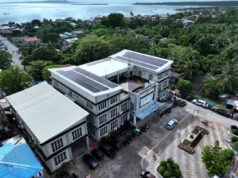
Logistics facilities offer natural advantages for renewable energy integration. Many warehouses have expansive rooftop spaces suitable for solar power systems, an increasingly cost-efficient solution that reduces grid dependence and cuts operational expenses. With net metering options in place, excess energy can also be sold back to the grid, creating new value streams for operators.
At AC Logistics, early installation of off-grid solar systems is supplying a share of the power in selected warehouses, demonstrating broader potential for expanding renewable energy adoption across their warehouse network.
In cold chain logistics, the GMAC Cagayan De Oro cold storage site, which accounts for approximately 65% of their total grid power consumption, already fully sources its energy from renewables, with the remaining 35% coming from the existing and extension Davao facilities.
By switching to renewable energy, cold storage operators gain cost predictability, an advantage that benefits both suppliers and customers as energy markets become increasingly volatile.
ELECTRIFICATION: THE NEXT FRONTIER FOR TRANSPORT
Transportation remains one of the heaviest fuel-dependent segments of logistics, but electrification offers a viable alternative. Distribution centers, where fleets operate on predictable routes, are particularly suited for electric vehicles.
Under the Electric Vehicle Industry Development Act (EVIDA), logistics companies are among those required to begin transitioning at least 5% of their fleets to electric models. This policy underscores a broader direc-tion for the industry: reducing reliance on traditional fuels is no longer optional, it is becoming regulatory and a strategic necessity.
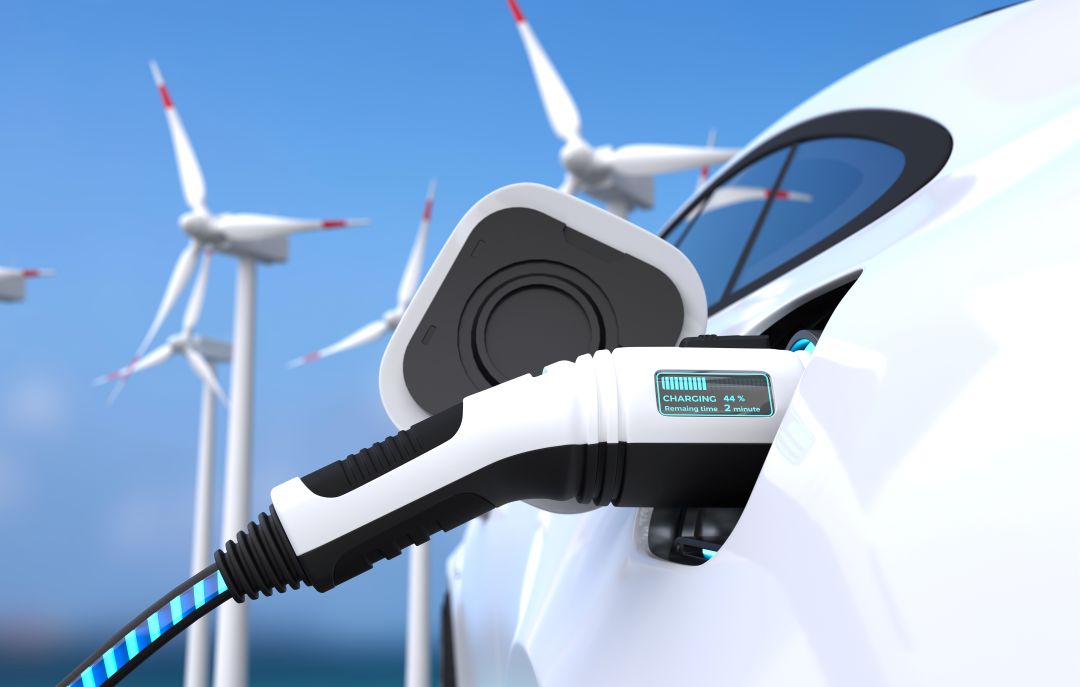
Infrastructure is evolving alongside this shift. Logistics hubs equipped with EV charging stations can support both in-house and commercial fleets. AC Logistics is working with key partners to launch a pilot program that inte-grates renewable power, charging infrastructure, and new energy vehicles into key logistics hubs. This will offer a working model for clean, mobility-enabled operations.
SHARED LOGISTICS: A COMPLEMENTARY STRATEGY
Beyond energy solutions, optimizing infrastructure use also plays a key role in building resilience. Shared logistics models, where warehousing and transport services are consolidated across multiple clients, enable higher truck utilization, fewer empty backhauls, and lower per-unit logistics costs. These approaches also reduce overall energy consumption, making them an important complement to clean energy initiatives.
Shared logistics models offer a clear way forward. Companies are now more willing to expand the scope of shared logistics, moving beyond multi-user warehouse facilities to include mid- and last-mile delivery.
AC Logistics currently operates multi-user facilities and shared distribution systems across its network, reflecting a shift toward integrated logistics ecosystems. These networks consolidate storage, mobility solutions, and energy infrastructure within unified nodes, helping businesses manage costs more effectively while reducing their carbon footprint.
A SECTOR AT A CROSSROADS
Energy volatility is likely to remain a defining global reality, influenced by shifting geopolitics and evolving market dynamics. For the Philippines, the challenge lies not only in absorbing these shocks but in building a logistics system capa-ble of weathering them.
The direction for the industry is becoming clearer: resilience will come from cleaner power sources, electrified mobility, smarter infrastructure use, and tighter integration across the supply chain.
The need now is to help businesses navigate uncertainty while building a future-ready logistics ecosystem — one that delivers value regardless of the fluctuations in global fuel markets.
A veteran of 23 years in the logistics industry, Erry Hardianto is the president and chief executive officer of AC Logistics Holdings Corp., the logistics arm of Ayala Corp. He also serves as a director of Ayala Plans, Inc. Prior to AC Logistics, he was Maersk’s Asia-Pacific Regional Logistics Operations head, and held senior positions in Singapore, Thailand, Indonesia, and the Philippines, managing and transforming complex multi-country logistics operations across Asia. With a BS Business Administration degree from the Philippine School of Business Administration and a master’s degree in international business from the University of Wollongong in New South Wales, Australia, he is an MBA lecturer, occasional contributor, and speaker.