Peso may weaken on prolonged Middle East war
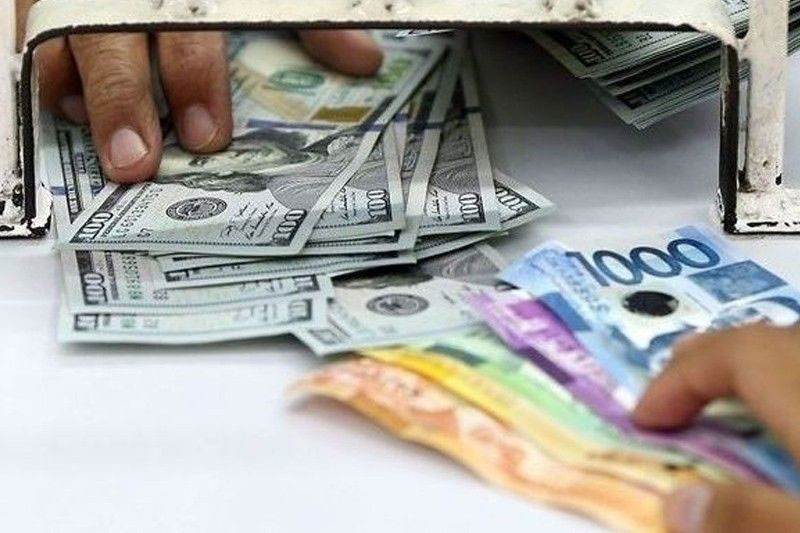
THE PHILIPPINE peso could weaken further this week as escalating war in the Middle East boosts demand for safe-haven assets such as the dollar.
The local currency closed at P59 a dollar on Friday, weakening by 37 centavos from its P58.63 finish a day earlier, according to data from the Bankers Association of the Philippines. It was the peso’s weakest close in more than a month.
Week on week, the currency dropped sharply from P57.665 on Feb. 20.
A trader said the peso’s decline reflected persistent demand for the dollar amid geopolitical uncertainty and rising oil prices.
“The dollar-peso rate continued its strong uptrend and closed at its intraday high amid persistent demand for safe-haven assets due to the escalating Middle East tension and soaring oil prices,” a trader said by telephone on Friday.
Concerns about higher energy prices could also complicate the monetary policy outlook for the Bangko Sentral ng Pilipinas (BSP).
BSP Governor Eli M. Remolona, Jr. said the central bank could consider raising interest rates if global oil prices climb above $100 per barrel and push inflation beyond the BSP’s 2% to 4% target.
“When the price of oil begins to have effects on the prices of many commodities, that tends to be something we have to worry about when it comes to inflation,” he told Bloomberg TV on Friday.
The central bank last month cut its benchmark interest rate by 25 basis points to 4.25%, the lowest in more than three years. The move extended the easing cycle that began in August 2024.
Mr. Remolona also said the BSP intervenes in the foreign exchange market only to limit excessive volatility in the peso.
The trader expects the peso to remain under pressure this week as markets monitor developments in the Middle East and movements in global oil prices.
The trader expects the peso to move at P58.80 to P59.20 a dollar, while Rizal Commercial Banking Corp. Chief Economist Michael L. Ricafort sees a slightly wider range of P58.75 to P59.25. — Aaron Michael C. Sy