Trump bets on intimidation to force Venezuelan leaders into line
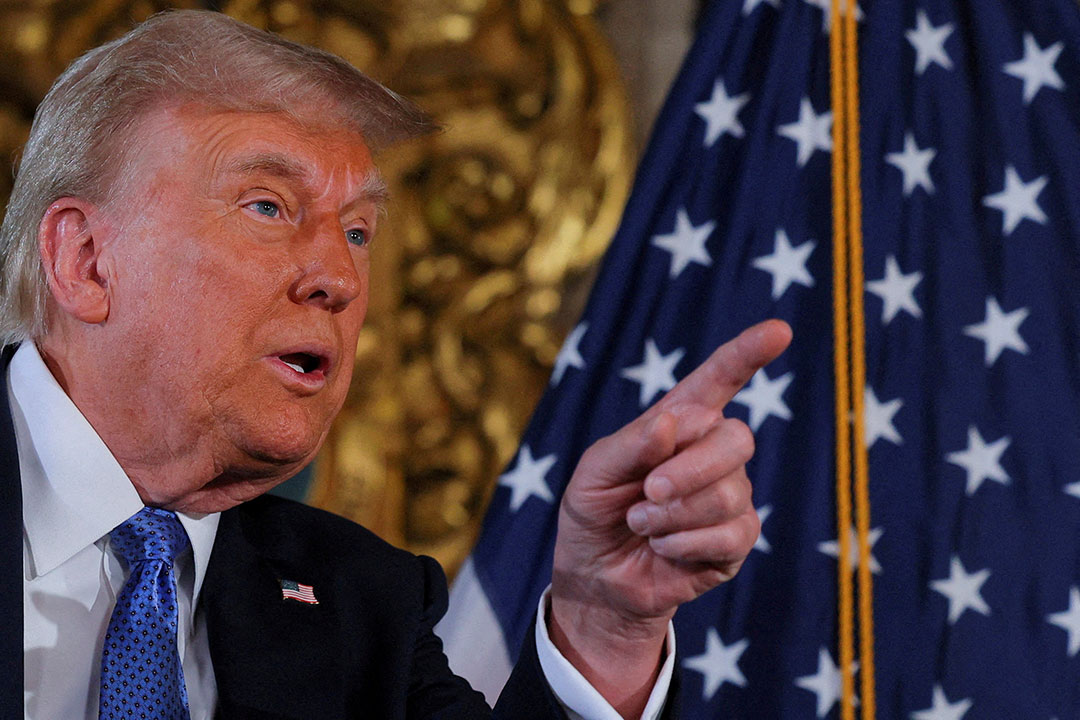
WASHINGTON/PALM BEACH, Florida — After removing President Nicolas Maduro from power, the Trump administration is gambling that it can intimidate the Venezuelan leader’s inner circle into toeing the US line with threats of further military action that could put them at risk of a similar fate, according to sources familiar with the matter.
The United States would consider another military operation in Venezuela if the interim government in the South American nation did not cooperate, US President Donald J. Trump said on Sunday.
Mr. Trump told reporters aboard Air Force One traveling from Florida to Washington that more military intervention was on the table. “If they don’t behave, we will do a second strike,” he said.
Asked if this would mean that US troops would be deployed on the ground to conduct peacekeeping, Mr. Trump said it would depend on the actions of the government now led by Interim President Delcy Rodriguez.
Mr. Trump’s advisers also believe they may be able to work behind the scenes with Ms. Rodriguez, who despite her public defiance, is seen as a technocrat who might be amenable to working with the US on a political transition and key oil-related issues, according to three people briefed on the US strategy.
Mr. Trump said he wants Ms. Rodriguez to give the US and private companies “total access” to Venezuela’s beleaguered oil infrastructure, as well as roads and bridges that are in disrepair.
If she and the interim government do not cooperate, Mr. Trump told reporters they could face a strong response.
“I just say that she will face a situation probably worse than Maduro,” he said, adding that the deposed president “gave up immediately.”
Uncertainty about the Trump administration’s use of military force is raising questions about his ability to bend the post-Maduro Venezuelan government to his will.
The potential sweeteners for Mr. Maduro’s aides would be offers of amnesty or safe exile of the sort that Mr. Maduro rejected in his final days before his capture by US special forces on Saturday, according to one source. He is now locked away in a New York detention center awaiting a Monday court appearance on drug charges.
Venezuelan Defense Minister Vladimir Padrino and Interior Minister Diosdado Cabello, two powerful members of Mr. Maduro’s inner circle who both have multimillion-dollar US bounties on their heads, remain potential spoilers in any such arrangement with the US, given their authority over the country’s military and intelligence apparatus.
Mr. Trump’s effort could also be undercut if Democrats can convince enough of the president’s fellow Republicans to restrict funding for further Venezuela military operations.
The US president’s vow on Saturday to “run” post-Maduro Venezuela appears for now to be more an aspiration to exert outside control — or at least heavy influence — over the OPEC nation without deploying US ground forces, which would have little public support at home.
But US officials believe they can still gain cooperation from Venezuelan authorities by maintaining a massive military buildup off the country’s coast and keeping alive the threat of further air strikes, the targeting of Mr. Maduro loyalists and, as a last resort, sending in a contingent of US troops.
“This is the sword that Trump has hanging over them,” the source told Reuters.
Venezuela’s remaining leaders could feel especially vulnerable because of the damage inflicted by US air strikes on the country’s air defense systems, according to a second source familiar with the matter.
Another major source of leverage, hammered home by Secretary of State Marco Rubio on Sunday television news programs, is to keep in place a “quarantine” on Venezuelan oil shipments, the government’s main financial lifeline.
VENEZUELAN OFFICIALS DEFIANT
Top Venezuelan officials, who have called the capture of Mr. Maduro and his wife Cilia Flores a kidnapping and accused the US of trying to steal the country’s vast oil reserves, insisted that they remain united.
Ms. Rodriguez — who also serves as oil minister — has taken over as interim leader with the blessing of Venezuela’s top court, though she has said Mr. Maduro remains president.
Because of her connections with the private sector and her deep knowledge of oil, the country’s top source of revenue, Ms. Rodriguez has long been considered the most pragmatic member of what was Mr. Maduro’s inner circle, but she has publicly contradicted Mr. Trump on his claims she is willing to work with the United States.
Brushing aside Ms. Rodriguez’ defiant language, Mr. Rubio told CBS: “We’re going to make an assessment on the basis of what they do, not what they say publicly.”
Mr. Trump said nothing about restoring democracy to Venezuela in his triumphant press conference on Saturday. And he disappointed the country’s opposition when he dismissed the idea of working with opposition leader and Nobel Peace Prize winner Maria Corina Machado, widely seen as Mr. Maduro’s most credible opponent, and focused more on prospects for exploiting Venezuela’s energy resources.
Mr. Trump’s aides appear to see co-opting Venezuela’s current leadership as the best way to stabilize the country and create a path for US oil investment while moving toward some kind of political transition away from the Maduro government.
The US has not intervened in Latin America so directly since invading Panama 37 years ago to depose military leader Manuel Noriega over allegations that he led a drug-running operation. The United States has leveled similar charges against Mr. Maduro, accusing him of running a “narco-state” and rigging the 2024 election, accusations he has denied.
Mr. Trump offered no clear picture how the US would fulfill his vow to oversee Venezuela, something critics quickly condemned as neocolonialism and which would risk alienating some supporters who oppose foreign interventions.
Much of the US State Department’s Western Hemisphere office was caught by surprise by Mr. Trump’s remarks, and no preparations have been made for sending staff to Caracas, two US officials said. — Reuters