House bill against political dynasties could bar 5,000 officials, lawmaker says
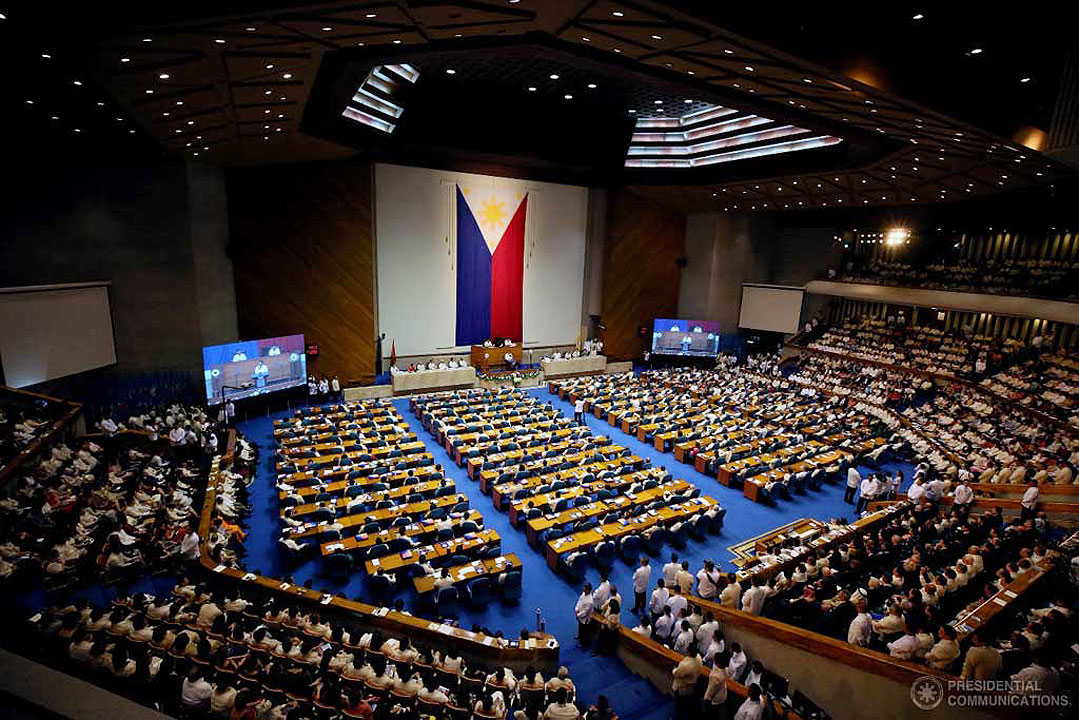
A CONGRESSMAN said on Wednesday the version of an anti‑political dynasty bill passed by a House committee could dislodge more than 5,000 politicians tied to political families nationwide, dispelling concerns that the chamber’s version is ineffective.
In a statement, Lanao del Sur Rep. Ziaur-Rahman Alonto Adiong said around 54.8% of elective posts are held by politicians from 4,239 political families, citing data from the Congressional Policy and Budget Research Department.
“Given the data we have, we can see that it is inaccurate to say that the committee version will not have an impact,” he said. “The numbers say otherwise.”
“The evidence proves that the second-degree provision strikes the right balance: it is stringent enough to open real opportunities for new leaders while remaining implementable,” he added.
Lawmakers are currently assessing bills aimed at curbing political dynasties. The House last week approved a similar measure that analysts have described as weaker as it allows families to monopolize seats across the government.
Analysts previously told BusinessWorld the chamber’s version has lapses and would still allow political families to proliferate.
President Ferdinand R. Marcos, Jr. has made limiting political dynasties a priority after public criticism over alleged misuse of billions of pesos in congressional district funds earmarked for Public Works projects, making it part of his governance reform agenda.
Such a bill has long been pushed in Congress but has repeatedly faltered for a lack of support from a legislature dominated by political families. Eight of 10 lawmakers belong to dynasties, according to a report by the Philippine Center for Investigative Journalism. — Kenneth Christiane L. Basilio