Congress’ anti-political dynasty bill risks legalizing dynasties, think tank says
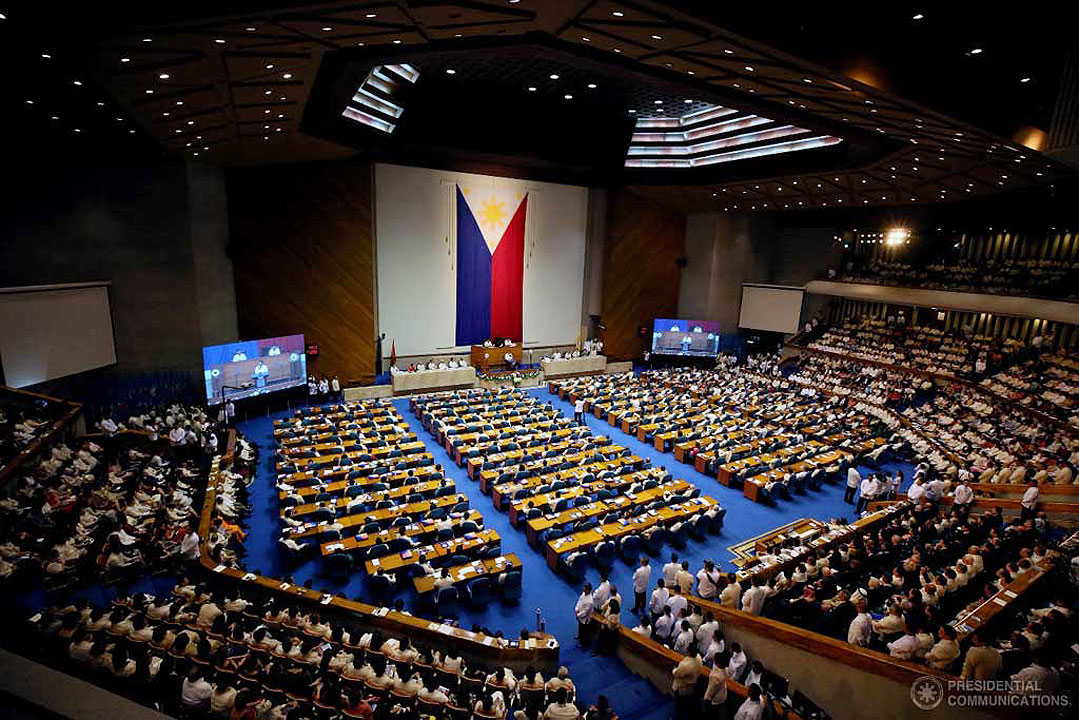
THE anti-political dynasty measure currently under deliberation in Congress risks legalizing dynasties instead of dismantling them, a think tank said, calling it “watered-down” for limiting its ban to family members holding office at the same time.
“This version of the anti-political dynasty bill is a clear accommodation to entrenched political families,” Center for People Empowerment in Governance (CenPEG) Chairperson Roland G. Simbulan said in a statement on Thursday.
He added that instead of dismantling political dynasties, the proposed measure risk institutionalizing or legalizing them.
“In fact, it will legalize — not just legitimize — political dynasties by setting a narrow definition that effectively allows political clans to continue dividing positions among family members,” he said.
The House of Representatives and Senate backed separate anti-political dynasty bills, both seeking to bar second-degree relatives from holding public office simultaneously.
The Senate’s version is currently up for amendments in plenary, while the House’s Suffrage and Electoral Reforms Committee approved their version of the bill last Tuesday.
Mr. Simbulan said that limiting the prohibitions to simultaneous occupancy may allow political families to field their relatives in different levels of government in different congressional seats, provinces, cities, and municipalities.
“Political dynasties can still divide territories among family members — one runs for Congress, another for governor, another for mayor. This preserves the monopoly of political power within a single family,” he added.
The think tank said that this arrangement perpetuates patronage politics, weakens democratic competition, and undermines equal access to public offices.
CenPEG added that any reform that seeks to bar political dynasties must include restriction on successive candidacies and cross-level positioning of immediate family members within the same territorial jurisdiction.
The Senate’s version of the anti-political dynasty bill bars overlapping terms in national and local offices, as well as from occupying positions across party-list groups and elective posts.
It also bans immediate succession, and prevents a spouse or relative from taking over a position right after an incumbent family member’s term.
“If we are serious about democratizing political power, the law must prevent both simultaneous and successive concentration of power within one family in the same province, city, municipality, or legislative district,” Mr. Simbulan said.
“Otherwise, this bill will only legitimize — and effectively legalize — dynastic dominance rather than dismantle it,” he added, calling on lawmakers to lawmakers to revisit the bill and strengthen its provisions.
President Ferdinand R. Marcos, Jr. has made curbing political dynasties a priority after public backlash over allegations that hundreds of billions of pesos from flood control projects were funneled to congressional districts and pocketed by lawmakers.
A measure seeking to abolish political dynasties has long been pushed in Congress but has repeatedly faltered over a lack of support from a Legislature dominated by political families. Eight of 10 lawmakers belong to dynasties, according to a report by the Philippine Center for Investigative Journalism. — Adrian H. Halili