Senate minority bloc move may undermine ICC process
By Adrian H. Halili, Reporter
THE SENATE minority bloc’s move to prioritize local remedies over international jurisdiction could weaken accountability mechanisms and strain the Philippines’ standing under international legal frameworks, political analysts said.
Anthony Lawrence A. Borja, an associate political science professor at De La Salle University, said Senate Resolution No. 307 could expose domestic institutions to political pressure while undermining the country’s credibility overseas.
“To affirm local remedies is to pander to citizens who would like to seek justice for their favored chief through local courts, regardless of whether their sense of nationalism is authentic or not,” he said in a Facebook Messenger chat.
Filed last week, the resolution urges Philippine authorities to ensure that Filipinos are first afforded due process in local courts before being surrendered to international tribunals.
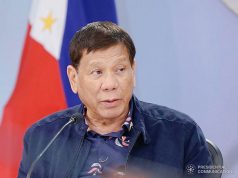
The measure was introduced after the International Criminal Court (ICC) identified Senators Ronald “Bato” M. dela Rosa and Christopher Lawrence “Bong” T. Go as co-perpetrators in the anti-drug campaign of former President Rodrigo R. Duterte. The ICC has not issued arrest warrants against the two senators.
Mr. Go has denied the allegations. Mr. dela Rosa has not attended Senate sessions in recent months following reports of a possible warrant.
Dennis C. Coronacion, chairman of the University of Santo Tomas Political Science Department, said the resolution risks weakening accountability.
“This institutional practice of ‘protecting one’s own’ weakens accountability and obstructs the dispensation of justice,” he said via Messenger.
Hansley A. Juliano, a political science lecturer at the Ateneo de Manila University, questioned the resolution’s credibility, noting that it was introduced by senators allied with the former President.
“It’s not about sovereignty or prioritizing local remedies; it’s about protecting the Dutertes,” he said via Messenger.
The resolution argues that naming the two senators in ICC documents could make them vulnerable to extradition without first exhausting remedies under Philippine law. It calls on the government to ensure access to domestic legal processes before surrendering any Filipino to an international court.
Mr. Borja warned that challenging international mechanisms could place the Philippines at odds with agreements it had signed.
“If it does not work, then it affirms our membership and would set us apart from more problematic states that would rather suspend the provision of justice rather than allow an international court to participate,” he said.
Mr. Juliano added that the proposal could amount to political signaling unless it secures broad Senate support. A resolution would require backing from at least two-thirds of lawmakers to carry significant institutional weight.
The Philippines withdrew from the ICC in 2018 upon Mr. Duterte’s order after the tribunal began examining alleged abuses linked to his anti-drug campaign. The withdrawal took effect in 2019, though the court maintains jurisdiction over crimes committed while the country was still a member.
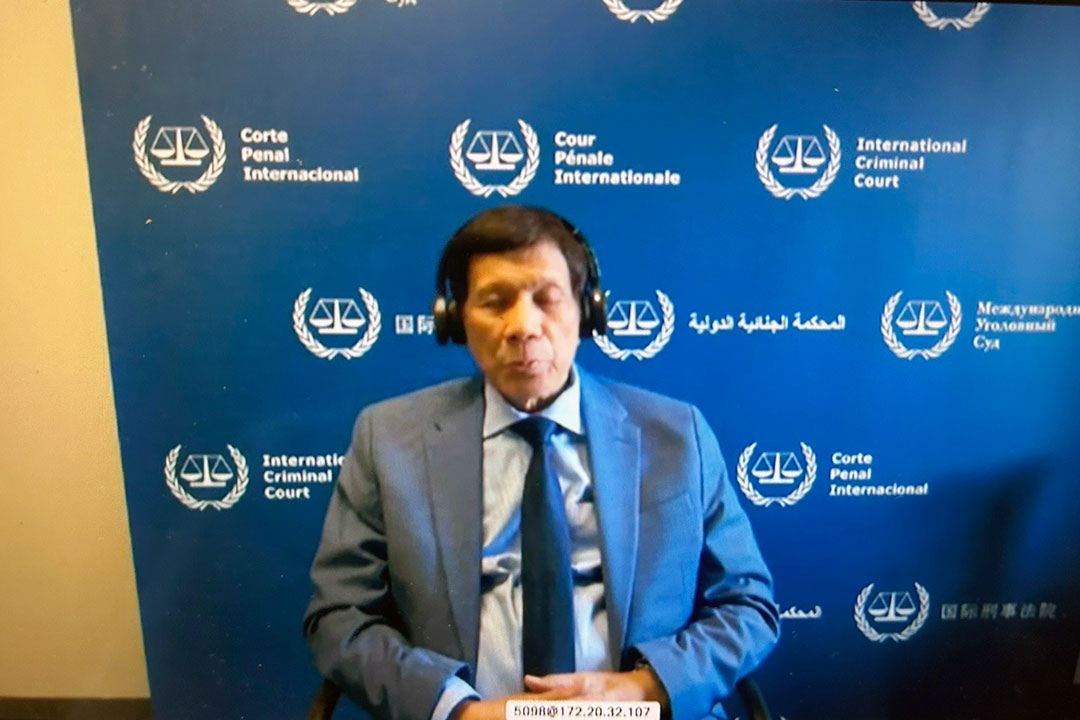
Mr. Duterte was arrested last year through the International Criminal Police Organization after an ICC warrant and was flown to The Hague to face charges of crimes against humanity. He is awaiting further proceedings before the court.