Unlocking infrastructure and mobility potentials
By Angela Kiara S. Brillantes, Special Features and Content Writer
In the Philippines’ quest for sustained economic development, infrastructure and mobility are growth engines that come hand-in-hand in improving the quality of life for Filipinos and building a sustainable future for the country. In essence, infrastructure enables mobility and facilitates connectivity, while mobility drives infrastructure demand.
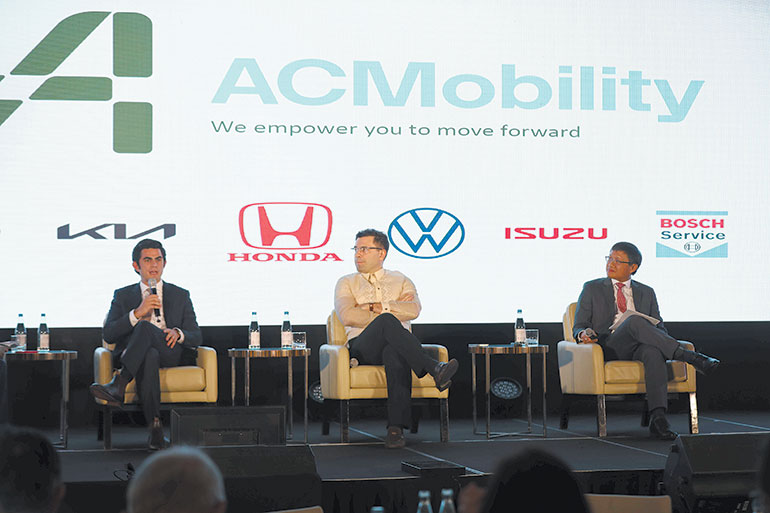
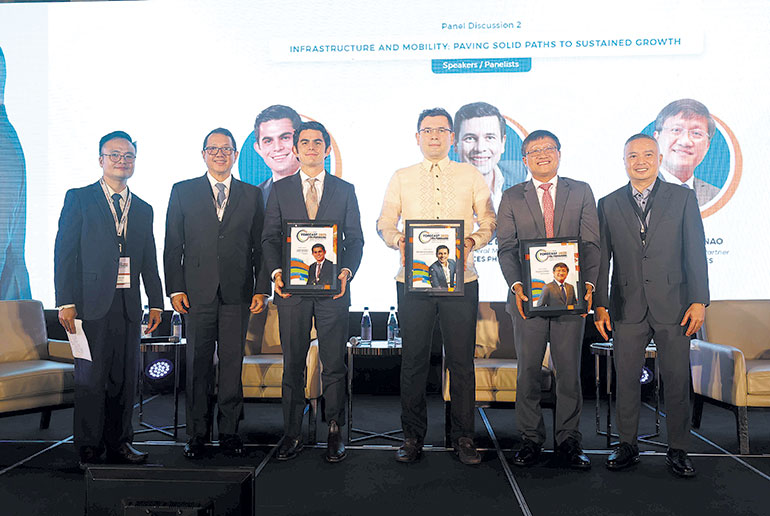
In the second panel discussion of BusinessWorld’s Forecast 2025 last Nov. 26 at the Grand Hyatt Manila, ACMobility Holdings, Inc. Chief Executive Officer Jaime Alfonso Zobel De Ayala, ENGIE Services Philippines Deputy General Manager Jean-Baptiste Dreanic, and PwC Philippines Chairman and Senior Partner Roderick M. Danao shared their outlook for the infrastructure and mobility sectors in the upcoming year, highlighting challenges and strategies that can be optimized towards long-term growth and development in the country.
Over the years, the Philippine economy have visibly seen shifts and transformations, intrinsically uplifting the economy and keeping ahead with the times. Yet, while the country poses so much potential, it still needs to speed up growth for it to achieve its goals.
For a developing country like the Philippines, a robust infrastructure network is what it needs, built up with the right kind of infrastructure that provide seamless connections across the country, thus attracting more investments and making an inclusive economy more achievable.
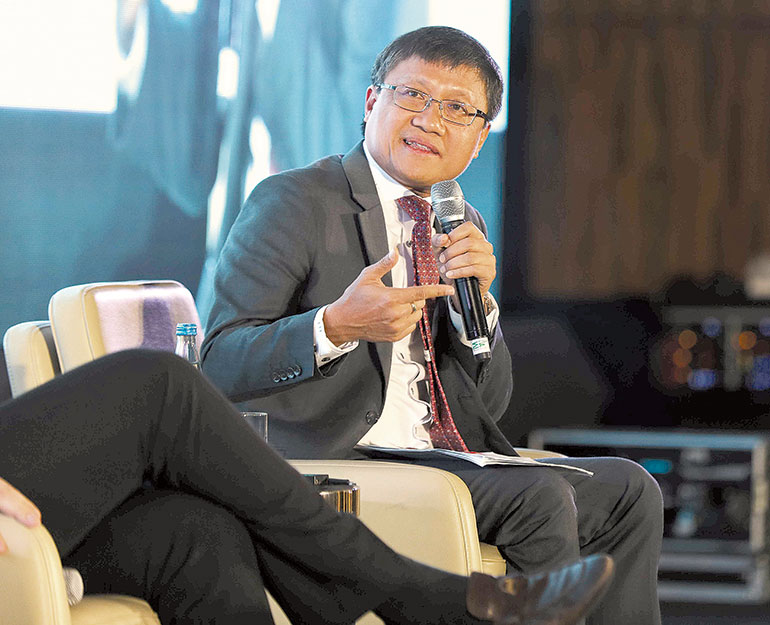
“If the Philippines wants to socially and economically improve, it has to industrialize; and we need infrastructure for that to happen. These are critical to the future of the economy and the future of Filipinos in the next few years,” Mr. Danao of PwC Philippines said.
Mr. Danao also emphasized that infrastructure is a key part of unlocking opportunities in the local economy, especially in terms of fostering physical connectivity, supporting power and energy demands, and enabling digital networks, services, and applications.
The latest technological advancements have further amplified the role of infrastructure in economic development. For Mr. Zobel de Ayala of ACMobility, catalyzing such transformation brings tons of benefits and solves so many problems at once.
“We started noticing that [mobility industry] was going through a massive transformation… Technology was evolving in a way that it was becoming accessible from a pricing perspective for customers. We saw these kinds of technologies contribute significantly to sustainability. Technology also provides significant health benefits when we utilize this, and we felt that this was an evolution that we wanted to contribute to,” he said.
The development of electric mobility has been a game-changer for mobility, the ACMobility CEO added, because it is more efficient, sustainable, and low-cost — all contributing to a better ecosystem for mobility.
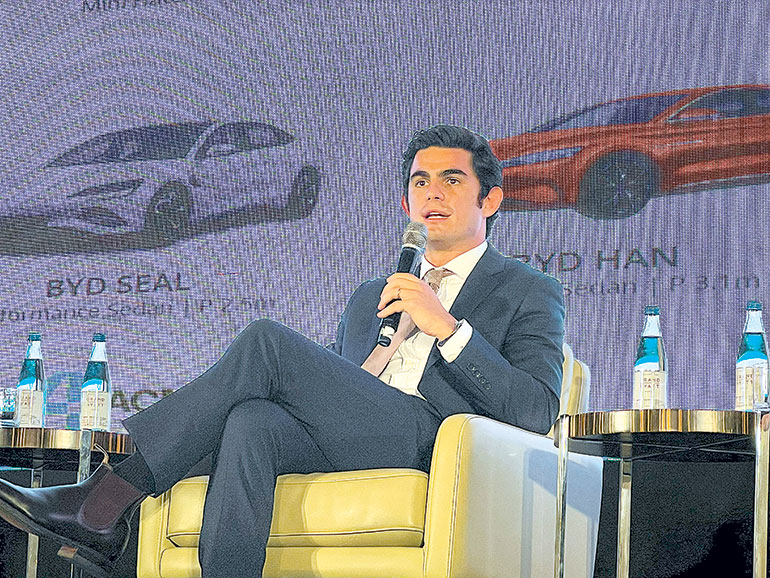
“It’s a technology that’s more efficient than its traditional counterparts. It allows Filipinos to save more because your peso goes further in a more efficient vehicle,” Mr. Zobel de Ayala said. “I think that’s really an exciting part of this evolution. Innovations are supposed to get incrementally better at this game.”
“The charging infrastructure can bring the resource to you. We can create a charging product for you at home, we can bring a charging product to where you’re at work — and all that being done with a significant discount,” he added.
Closing infrastructure gaps
Yet, even with progress, persisting gaps remain a toll, stalling progress and holding back the country’s potential. One of these gaps is traffic congestion. Nonetheless, this still stands as an opportunity to develop better infrastructure, especially in urban areas in the country.
According to Mr. Danao, one way to move things forward is by shifting from car-centric urban planning to designs focused on railways and mass transit systems.
“If you want a sustainable solution to all our traffic problems, this is the way to go. Merge real estate planning together with the power of mass transport systems. It’s good for the business, good for tourism, and good for the country. We need to see the shift. When we start doing these mass transport systems, you’ll see a lot of real estate investments pouring into these mass transport systems that we’ll be building in the next five to 10 years,” he said.
Meanwhile, for the mobility sector, streamlining policies and regulatory processes is found to be important in fostering innovation and growth. Having an efficient regulatory environment allows businesses to operate, innovate, support sustainability, and even attract more investors. Mr. Zobel de Ayala emphasized the need for this kind of environment, particularly through consistent frameworks for and standardization of electric vehicle (EV) charging stations.
“There’s going to be charging stations with a lot of different formats, and making sure there’s consistency in how we’re managing safety regulations across is quite important,” he said.
“There are mandates set by the public sector, and there are targets and goals to do that,” Mr. Zobel de Ayala added. “We [partner with] the private sector to make sure that we’re bringing in the right partners and we’re delivering a service that’s also meeting those targets. So, there’s a lot of collaboration in that space and I think that’s because there’s a lot of interest in the benefits,” he said.
Mr. Dreanic of low-carbon energy provider ENGIE Services Philippines also noted that efficient regulatory frameworks are crucial in supporting the adoption of sustainable solutions, especially with the Philippines becoming a promising market for sustainable energy solutions.
“Today, there are some ease of doing business and tax incentives in place, which is very promising. We need to continue to do those initiatives,” he said.
Powering moves through sustainability
Another key point during the discussion was how crucial sustainability in mobility and infrastructure is as it brings environmental, social, and economic benefits to communities. For instance, EVs are a perfect example of sustainability in action because they emit zero emissions and are chargeable by renewable energy.
“They offer solutions that other types of technologies don’t have. With regards in the mobility landscape, a lot of environmental benefits… can come from an integrated strategy of [ensuring] that charging stations consume renewable energy,” Mr. Zobel de Ayala said. “We want to make mobility a much more efficient ecosystem in the Philippines. We want to do it in a way that it does not affect our environment, and we also want to make sure that the positive externalities are felt in the communities.”
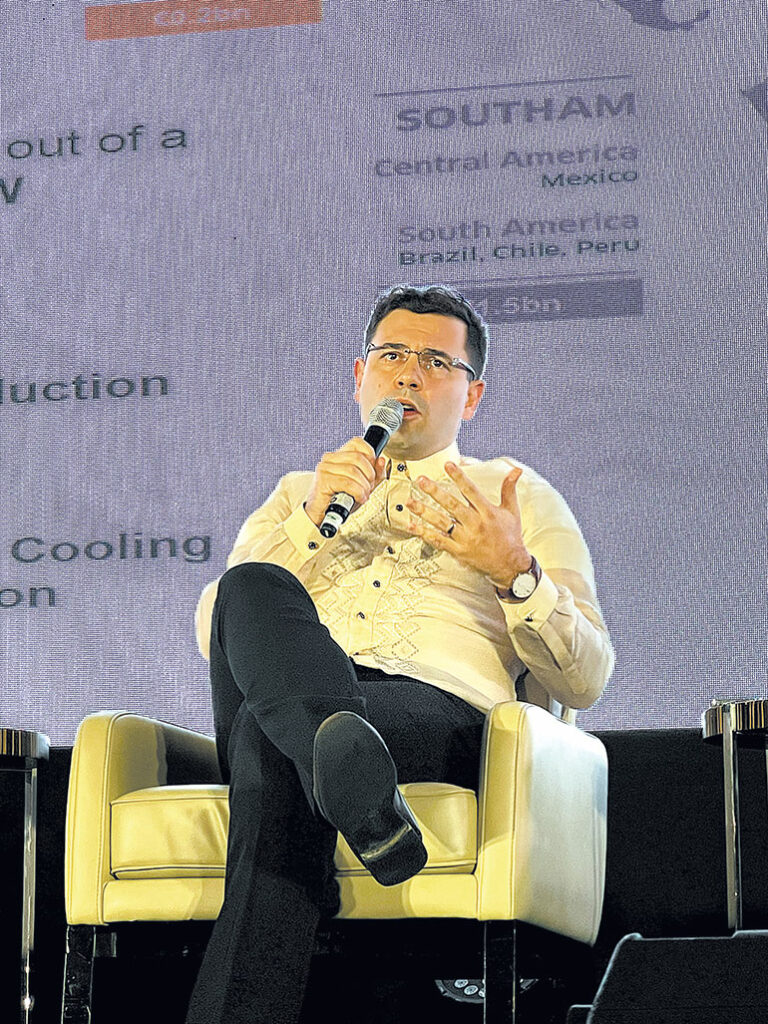
ENGIE Services Philippines is focused not only on creating sustainable energy solutions but also expanding the renewable energy footprint in the country. In line with this, Mr. Dreanic mentioned the company’s renewable energy projects, including energizing two solar projects in December and up to 10 more projects planned for the next year.
Beyond solar power, nonetheless, the company has also been exploring and investing in other renewable energy technologies.
“We are exploring offshore wind in the Philippines,” Mr. Dreanic shared. “We would love to explore [hydro as well], but [there is] a market already with very good local experts that are willing to invest… But, it’s really something we like to invest in.”
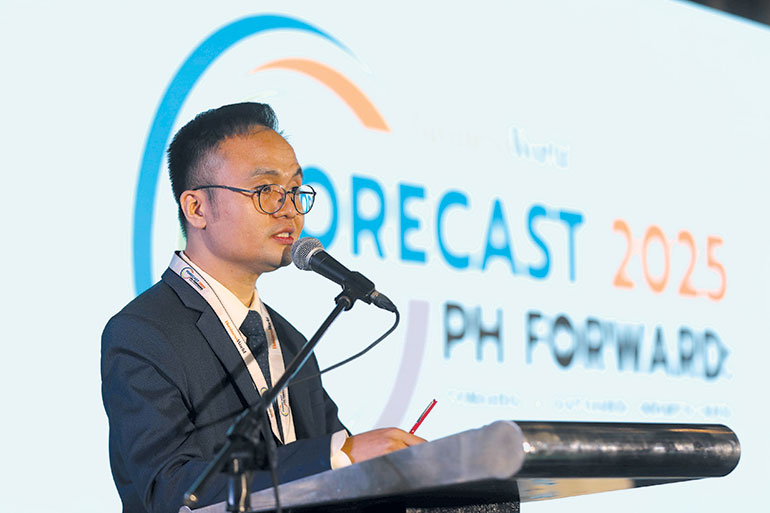
ENGIE’s current projects in the Philippines include developing large-scale renewable energy projects with a total capacity of 300 megawatts-peak (MwP). The company also collaborates with local or international companies for its projects, such as Filinvest Development Corp. for its next solar venture.