The urgency of tackling the cost-of-living crisis
In a survey conducted by Pulse Asia between Feb. 27 and March 2 this year, 59% of respondents said they considered inflation to be the most urgent national concern.
Notably, the survey coincided with the opening days of the Middle East war on Feb. 28. While the conflict had begun, its broader inflationary effects were only starting to register, reinforcing the finding that inflation anxieties were already deeply rooted even before war-related price shocks intensified.
Other issues that figured as the most urgent concern were: fighting graft and corruption in government (47%), increasing the pay of workers (36%), reducing the poverty of many Filipinos (21%), and creating more jobs (21%).
In the same survey, just 10% of Filipinos felt that the government was taking action.
More interesting is how the people perceived the government to be doing better in all other issues: stopping the destruction and abuse of the environment, reducing the amount of taxes paid, providing support to small entrepreneurs to restore their businesses, addressing the problem of involuntary hunger, fighting graft and corruption in government, reducing the poverty of many Filipinos, and fighting the widespread sale and use of illegal drugs.
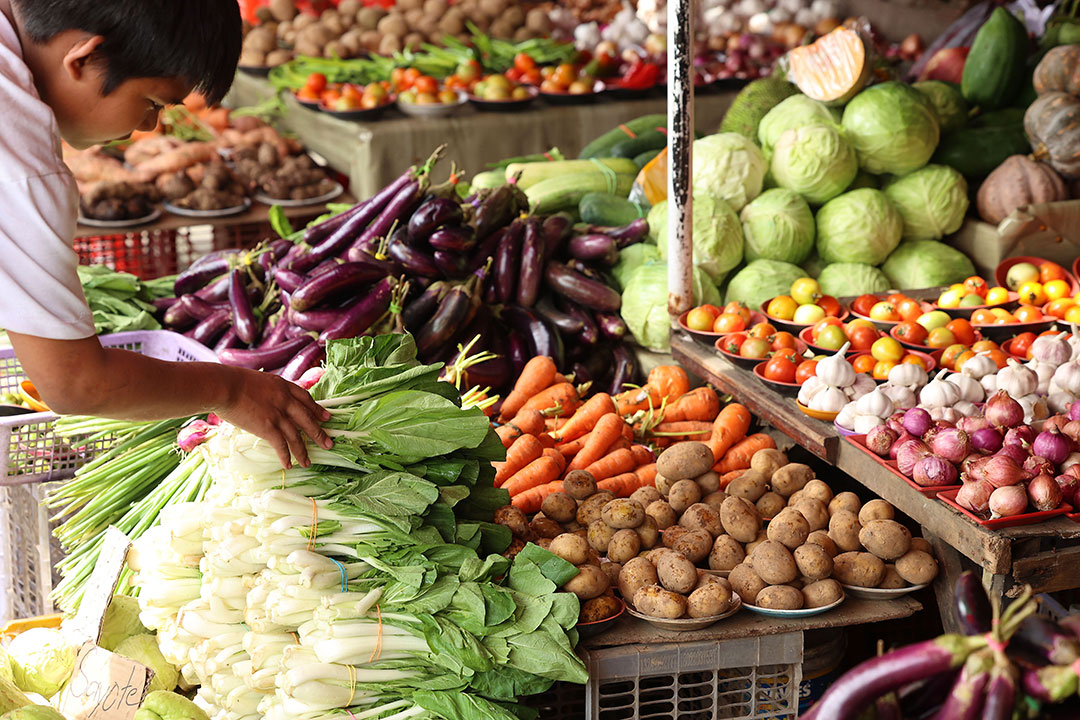
This perception of the government’s inability to stem inflation appears to run contrary to government announcements. The Philippine Statistics Authority reported that February’s inflation rate was at 2.4%. And yet, in the Stratbase-commissioned Pulse Asia survey where respondents were asked to identify actions that government must do to address local community concerns, 41% of respondents cited having more affordable food prices such as those of rice, meat, and fish.
Other top community concerns that leaders must address, according to the survey, include lessening or eliminating corruption to provide better services to the community (26%), creating more jobs and livelihood opportunities (24%), and providing accessible education and healthcare services (10%).
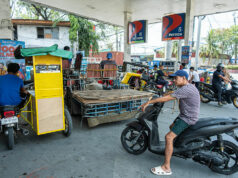
It has been a month since the Middle East war began. Since then, the price of fuel has increased many times over. Transport groups have staged a strike in many places. Shortages in fuel supply are already being felt, heightened by the uncertainty about the length and extent of the conflict.
If the public was concerned about the prices of goods then, they are even more anxious today.
Aside from worries on the affordability of goods, Filipinos are also rightly concerned about the sustainability of their jobs. Many companies may find it difficult to cope with the rising prices of utilities and raw materials, such that they may even resort to slashing jobs to cut costs. If this happens, rising unemployment will add to the economic pressure, triggering even greater public anxiety.
The flood control scandal that erupted last year has revealed some of the most unconscionable acts by public officials and private individuals alike. Filipinos realized the magnitude of corruption that has not only unjustly enriched people who vowed to serve them, but put their lives in danger.
This is why concern over corruption remains a key issue at 26%, signaling that Filipinos expect stronger governance, especially during periods of rising prices and economic strain. Transparent and accountable government systems will lead to more efficient delivery of services, reduced leakages in public spending, and greater public trust — ensuring that economic interventions genuinely reach and benefit communities.
In the long term, and inevitably, stamping out corruption will yield economic benefits to the country. Governance is, after all, an economic issue, because it has to do with efficient and transparent use of resources. It is also a determinant of investor interest. Investors, who will bring jobs and potential for economic activity, are likely to cast their lots in a transparent system where rules are fair, predictable, and evenly applied, and where resources are used for their intended purpose.
Even so, economic concerns like the prices of goods and the assurance of a stable job amid uncertain times are immediate and urgent. These are issues that affect them today and may even determine the quality of their next meal, or even whether they would have a decent meal in the first place.
Thus, the government’s response must be immediate, targeted, and felt on the ground. Our leaders must exert all their efforts in stabilizing food and fuel prices, encouraging more investments, and accelerating job creation. These are essential to cushion vulnerable sectors and restore economic confidence.
Readiness for a crisis is achieved from the cumulative result of policies and actions across numerous administrations and in anticipation of multi-dimensional disruptions from external events over which we have no control. This needs a holistic mindset that understands the country’s risks amidst the global geopolitical and economic dynamics, for evidence-based contingency plans that would ensure the least disruption to local ecosystems and supply chains supporting an already struggling population.
These solutions will benefit Filipinos as we face the impact of the Middle East crisis, and after it, as we build a sustainable, inclusive economy that is able to give its people dignity of work, good quality of life, ability to contemplate a better future, and resilience amid challenging times.
The people will measure the outcome of these efforts based on what they see, feel, and live with every day.
Victor Andres “Dindo” C. Manhit is the president of the Stratbase ADR Institute.