Manufacturers asked to hold prices of basic goods steady
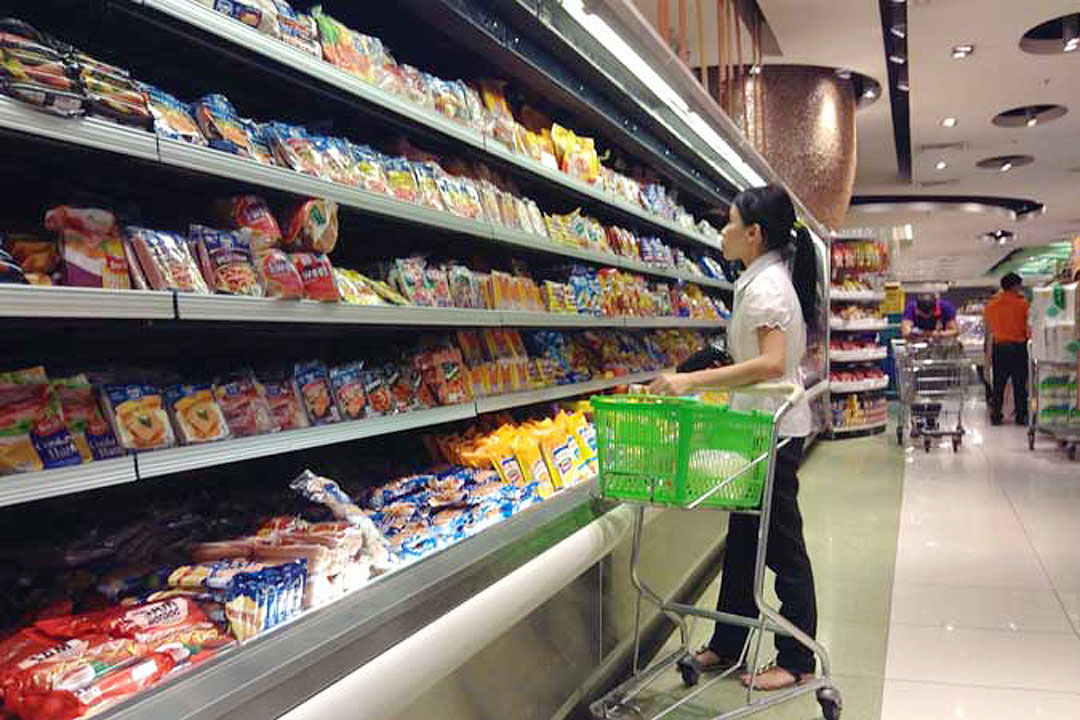
THE Department of Trade and Industry (DTI) said it is in talks with manufacturers to maintain the price of basic goods while the situation in Iran shakes out.
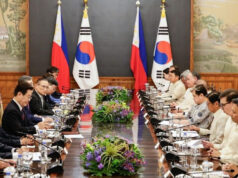
“We still have to talk. It’s hard for me to give input now. But of course, these goods were already made,” Trade Secretary Ma. Cristina A. Roque told reporters on the sidelines of the Philippines-Korea Business Forum on Wednesday.
She said the DTI has yet to gather all information needed before it releases guidance on the prices of basic necessities and prime commodities (BNPCs).
“I just got information from Energy Secretary (Sharon S.) Garin regarding the fuel prices. We have to get information first before we release anything,” she said.
On Friday, the Department of Energy estimated a potential increase this week of around P1.10 per liter for gasoline, P0.50 per liter for diesel, and P0.90 per liter for kerosene.
These projections were based on the four-day trading average of the Mean of Platts Singapore benchmark last week, which tracks price movements in petroleum products.
Ms. Garin has said fuel prices are expected to rise due to the Iran crisis. The Southeast Asian crude benchmark is set in Dubai, whose products must transit the Persian Gulf, particularly the Strait of Hormuz, putting tankers in range of the Iranian military.
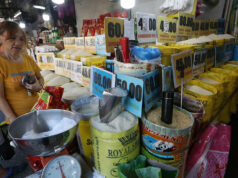
The DTI has yet to see an increase in the price of BNPCs, Ms. Roque said.
Republic Act No. 7581, or the Price Act, makes basic necessities subject to regulation, including rice; corn, bread; fresh, dried and canned fish and other marine products; fresh pork, beef and poultry meat; fresh eggs; fresh and processed milk; fresh vegetables; root crops; coffee; sugar; cooking oil; salt; laundry soap; detergents; firewood; charcoal; candles; and drugs classified as essential by the Department of Health (DoH).
Prime commodities recognized by the law include fresh fruit; flour; dried, processed and canned pork; beef and poultry meat; dairy products not falling under basic necessities; noodles; onions; garlic; vinegar; fish sauce; soy sauce; toilet soap; fertilizer; pesticides; herbicides; and poultry.
Other prime commodities include swine and cattle feed; veterinary products for poultry, swine and cattle; paper; school supplies; nipa shingles; sawali; cement; clinker; GI sheets; hollow blocks; plywood; plyboard; construction nails; batteries; electrical supplies; light bulbs; steel wire; and all drugs not classified as essential by the DoH. — Beatriz Marie D. Cruz