Iran crisis seen driving up agri production costs
By Vonn Andrei E. Villamiel, Reporter
RISING OIL PRICES triggered by the recent US-Israeli attacks on Iran are expected to increase production costs for Philippine farmers and fisherfolk, adding pressure on producer incomes and consumer food prices, analysts said.
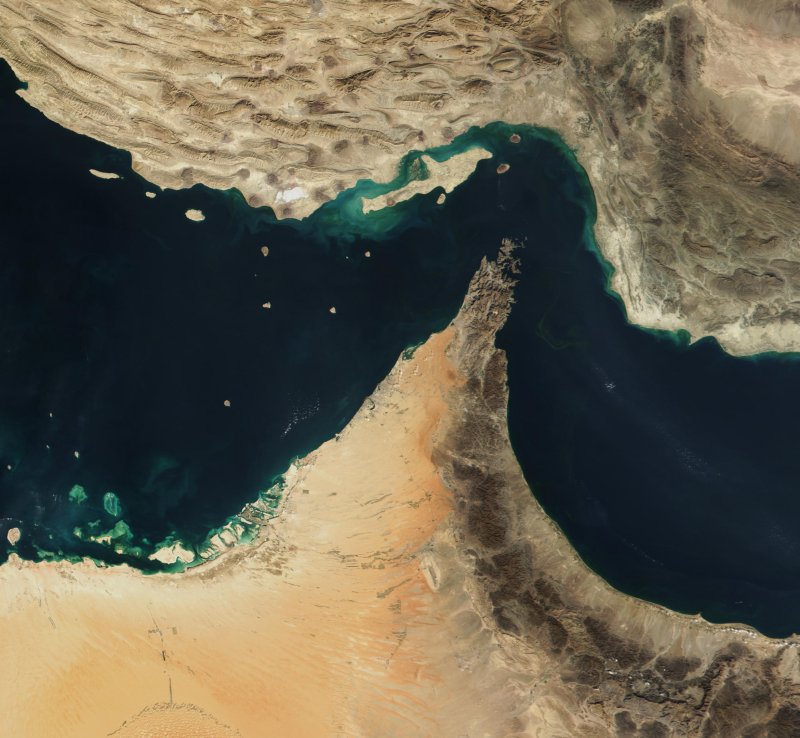
Former Agriculture Secretary William D. Dar said the main risk comes from the closure of the Strait of Hormuz, a key shipping lane through which 20% of the world’s oil passes.
“If the closure is long, this will increase oil prices, impacting countries including the Philippines. Higher cost of food production will happen with increased oil prices,” he told BusinessWorld via Viber.
Roehlano M. Briones, senior research fellow at state think tank Philippine Institute for Development Studies, told BusinessWorld via Viber that the impact on agriculture will depend on the extent of fuel price increases, with fisheries likely to be the hardest hit.
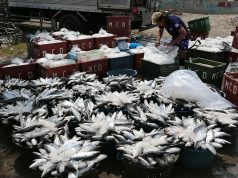
Even before the attacks on Iran, fisherfolk group Pambansang Lakas ng Kilusang Mamamalakaya ng Pilipinas (PAMALAKAYA) pointed to the successive diesel price hikes, which it said are limiting the time fisherfolk can spend at sea, cutting into their income.
“From the usual six to eight hours at sea, fisherfolk now spend only about four hours fishing, as this is all they can afford,” the group said in an earlier statement.
PAMALAKAYA estimates that fuel expenses account for about 80% of total production costs for small-scale fishers.
Rosendo O. So, chairman of the Samahang Industriya ng Agrikultura, said increased oil prices will also affect the farming sector, as diesel powers mechanized farm equipment, irrigation pumps, and transportation.
“Farmers use fuel at every stage, for irrigation pumps and tractors during planting, for harvesters, and for transporting produce to the market. Any increase significantly raises production costs,” he told BusinessWorld by phone.
Danilo V. Fausto, president of the Philippine Chamber of Agriculture and Food, Inc. said the Middle East crisis will likely raise costs for fertilizer users.
“The war on Iran is expected to increase prices of fuel (and) will likely increase the cost of agricultural inputs, especially inorganic fertilizers that are by-products of oil,” he told BusinessWorld via Viber.
Agriculture Secretary Francisco P. Tiu Laurel, Jr. told BusinessWorld that the Department of Agriculture is currently assessing possible interventions for farmers and fisherfolk.
“We are studying now what we can assist them with. I hope this conflict in the Middle East does not last long,” he said via WhatsApp.